Facebook Instagram Youtube Twitter

Yellow Gold – Material Table – Applications – Price

About Yellow Gold

Pure gold is a bright, slightly reddish yellow, dense, soft, malleable, and ductile metal. It is one of the least reactive chemical elements and is solid under standard conditions. Gold is thought to have been produced in supernova nucleosynthesis, from the collision of neutron stars. Yellow gold is usually pure gold, but in jewelry gold alloys widely are used to increase strength of pure metal.

yellow gold properties density strength price

Summary

Name Yellow Gold
Phase at STP solid
Density 15500 kg/m3
Ultimate Tensile Strength 300 MPa
Yield Strength N/A
Young’s Modulus of Elasticity 75 GPa
Brinell Hardness 80 BHN
Melting Point 912 °C
Thermal Conductivity 320 W/mK
Heat Capacity 200 J/g K
Price 44000 $/kg

Composition of Yellow Gold

Examples of the common alloys for 18K yellow gold include: 18K yellow gold: 75% gold, 12.5% copper, 12.5% silver and 18K yellow (darker) gold: 75% gold, 15% copper, 10% silver.

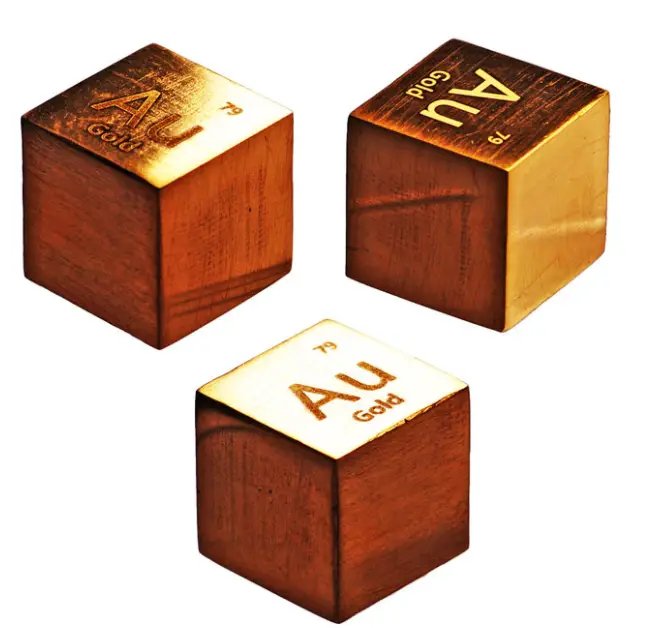
75%Gold in Periodic Table
15%Copper in Periodic Table

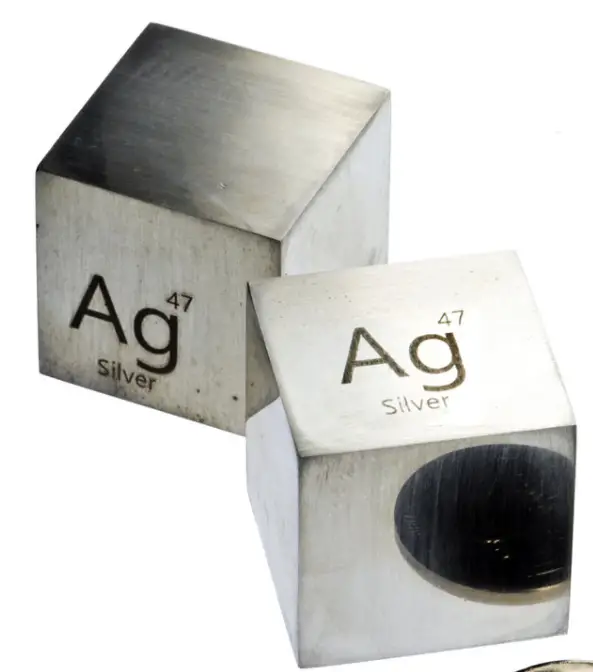
10%Silver in Periodic Table

Applications of Yellow Gold

Yellow Gold - Material Table - Applications - Price
Source: wikipedia.org License: CC-BY SA 3.0

Gold is used extensively in jewellery, either in its pure form or as an alloy. About 75% of all gold produced is used in the jewelry industry. Pure gold is too soft to stand up to the stresses applied to many jewelry items. Craftsmen learned that alloying gold with other metals such as copper, silver, and platinum would increase its durability and it also changes its color. The term ‘carat’ indicates the amount of gold present in an alloy. 24-carat is pure gold, but it is very soft. 18- and 9-carat gold alloys are commonly used because they are more durable.

Mechanical Properties of Yellow Gold

Strength of Yellow Gold

In mechanics of materials, the strength of a material is its ability to withstand an applied load without failure or plastic deformation. Strength of materials basically considers the relationship between the external loads applied to a material and the resulting deformation or change in material dimensions. In designing structures and machines, it is important to consider these factors, in order that the material selected will have adequate strength to resist applied loads or forces and retain its original shape.

Strength of a material is its ability to withstand this applied load without failure or plastic deformation. For tensile stress, the capacity of a material or structure to withstand loads tending to elongate is known as ultimate tensile strength (UTS). Yield strength or yield stress is the material property defined as the stress at which a material begins to deform plastically whereas yield point is the point where nonlinear (elastic + plastic) deformation begins. In case of tensional stress of a uniform bar (stress-strain curve), the Hooke’s law describes behaviour of a bar in the elastic region. The Young’s modulus of elasticity is the elastic modulus for tensile and compressive stress in the linear elasticity regime of a uniaxial deformation and is usually assessed by tensile tests.

See also: Strength of Materials

Ultimate Tensile Strength of Yellow Gold

Ultimate tensile strength of Yellow Gold is 300 MPa.

Yield Strength of Yellow Gold

Yield strength of Yellow Gold is N/A.

Modulus of Elasticity of Yellow Gold

The Young’s modulus of elasticity of Yellow Gold is 75 GPa.

Hardness of Yellow Gold

In materials science, hardness is the ability to withstand surface indentation (localized plastic deformation) and scratching. Brinell hardness test is one of indentation hardness tests, that has been developed for hardness testing. In Brinell tests, a hard, spherical indenter is forced under a specific load into the surface of the metal to be tested.

The Brinell hardness number (HB) is the load divided by the surface area of the indentation. The diameter of the impression is measured with a microscope with a superimposed scale. The Brinell hardness number is computed from the equation:
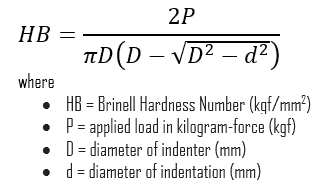
brinell hardness number - definition

Brinell hardness of Yellow Gold is approximately 80 BHN(converted).

See also: Hardness of Materials

Strength of Materials

Material Table - Strength of Materials

Elasticity of Materials

Material Table - Elasticity of Materials

Hardness of Materials

Material Table - Hardness of Materials  

Thermal Properties of Yellow Gold

Yellow Gold – Melting Point

Melting point of Yellow Gold is 912 °C.

Note that, these points are associated with the standard atmospheric pressure. In general, melting is a phase change of a substance from the solid to the liquid phase. The melting point of a substance is the temperature at which this phase change occurs. The melting point also defines a condition in which the solid and liquid can exist in equilibrium. For various chemical compounds and alloys, it is difficult to define the melting point, since they are usually a mixture of various chemical elements.

Yellow Gold – Thermal Conductivity

Thermal conductivity of Yellow Gold is 320 W/(m·K).

The heat transfer characteristics of a solid material are measured by a property called the thermal conductivity, k (or λ), measured in W/m.K. It is a measure of a substance’s ability to transfer heat through a material by conduction. Note that Fourier’s law applies for all matter, regardless of its state (solid, liquid, or gas), therefore, it is also defined for liquids and gases.

The thermal conductivity of most liquids and solids varies with temperature. For vapors, it also depends upon pressure. In general:
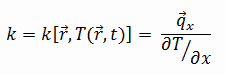
thermal conductivity - definition

Most materials are very nearly homogeneous, therefore we can usually write k = k (T). Similar definitions are associated with thermal conductivities in the y- and z-directions (ky, kz), but for an isotropic material the thermal conductivity is independent of the direction of transfer, kx = ky = kz = k.

Yellow Gold – Specific Heat

Specific heat of Yellow Gold is 200 J/g K.

Specific heat, or specific heat capacity, is a property related to internal energy that is very important in thermodynamics. The intensive properties cv and cp are defined for pure, simple compressible substances as partial derivatives of the internal energy u(T, v) and enthalpy h(T, p), respectively:
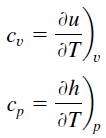
where the subscripts v and p denote the variables held fixed during differentiation. The properties cv and cp are referred to as specific heats (or heat capacities) because under certain special conditions they relate the temperature change of a system to the amount of energy added by heat transfer. Their SI units are J/kg K or J/mol K.

Melting Point of Materials

Material Table - Melting Point

Thermal Conductivity of Materials

Material Table - Thermal Conductivity

Heat Capacity of Materials

Material Table - Heat Capacity

Properties and prices of other materials

material-table-in-8k-resolution

Rose Gold – Material Table – Applications – Price

About Rose Gold

Pure gold is a bright, slightly reddish yellow, dense, soft, malleable, and ductile metal. It is one of the least reactive chemical elements and is solid under standard conditions. Gold is thought to have been produced in supernova nucleosynthesis, from the collision of neutron stars. Rose gold is a gold–copper alloy widely used for specialized jewelry.

rose gold properties density strength price

Summary

Name Rose Gold
Phase at STP solid
Density 12900 kg/m3
Ultimate Tensile Strength 550 MPa
Yield Strength N/A
Young’s Modulus of Elasticity 77 GPa
Brinell Hardness 150 BHN
Melting Point 897 °C
Thermal Conductivity 300 W/mK
Heat Capacity 230 J/g K
Price 30000 $/kg

Composition of Rose Gold

Although the names rose gold and pink gold are often used interchangeably, the difference between red, rose, and pink gold is the copper content: the higher the copper content, the stronger the red coloration. Examples of the common alloys for 18K rose gold, 18K red gold, 18K pink gold, and 12K red gold include: 18K red gold: 75% gold, 25% copper; 18K rose gold: 75% gold, 22.25% copper, 2.75% silver; 18K pink gold: 75% gold, 20% copper, 5% silver and 12K red gold: 50% gold and 50% copper.

50%Gold in Periodic Table

50%Copper in Periodic Table

Applications of Rose Gold

Rose Gold - Material Table - Applications - Price
Source: wikipedia.org License: CC-BY SA 3.0

Gold is used extensively in jewellery, either in its pure form or as an alloy. About 75% of all gold produced is used in the jewelry industry. Pure gold is too soft to stand up to the stresses applied to many jewelry items. Craftsmen learned that alloying gold with other metals such as copper, silver, and platinum would increase its durability and it also changes its color. The term ‘carat’ indicates the amount of gold present in an alloy. 24-carat is pure gold, but it is very soft. 18- and 9-carat gold alloys are commonly used because they are more durable.

Mechanical Properties of Rose Gold

Strength of Rose Gold

In mechanics of materials, the strength of a material is its ability to withstand an applied load without failure or plastic deformation. Strength of materials basically considers the relationship between the external loads applied to a material and the resulting deformation or change in material dimensions. In designing structures and machines, it is important to consider these factors, in order that the material selected will have adequate strength to resist applied loads or forces and retain its original shape.

Strength of a material is its ability to withstand this applied load without failure or plastic deformation. For tensile stress, the capacity of a material or structure to withstand loads tending to elongate is known as ultimate tensile strength (UTS). Yield strength or yield stress is the material property defined as the stress at which a material begins to deform plastically whereas yield point is the point where nonlinear (elastic + plastic) deformation begins. In case of tensional stress of a uniform bar (stress-strain curve), the Hooke’s law describes behaviour of a bar in the elastic region. The Young’s modulus of elasticity is the elastic modulus for tensile and compressive stress in the linear elasticity regime of a uniaxial deformation and is usually assessed by tensile tests.

See also: Strength of Materials

Ultimate Tensile Strength of Rose Gold

Ultimate tensile strength of Rose Gold is 550 MPa.

Yield Strength of Rose Gold

Yield strength of Rose Gold is N/A.

Modulus of Elasticity of Rose Gold

The Young’s modulus of elasticity of Rose Gold is 77 GPa.

Hardness of Rose Gold

In materials science, hardness is the ability to withstand surface indentation (localized plastic deformation) and scratching. Brinell hardness test is one of indentation hardness tests, that has been developed for hardness testing. In Brinell tests, a hard, spherical indenter is forced under a specific load into the surface of the metal to be tested.

The Brinell hardness number (HB) is the load divided by the surface area of the indentation. The diameter of the impression is measured with a microscope with a superimposed scale. The Brinell hardness number is computed from the equation:

brinell hardness number - definition

Brinell hardness of Rose Gold is approximately 150 BHN(converted).

See also: Hardness of Materials

Strength of Materials

Material Table - Strength of Materials

Elasticity of Materials

Material Table - Elasticity of Materials

Hardness of Materials

Material Table - Hardness of Materials  

Thermal Properties of Rose Gold

Rose Gold – Melting Point

Melting point of Rose Gold is 897 °C.

Note that, these points are associated with the standard atmospheric pressure. In general, melting is a phase change of a substance from the solid to the liquid phase. The melting point of a substance is the temperature at which this phase change occurs. The melting point also defines a condition in which the solid and liquid can exist in equilibrium. For various chemical compounds and alloys, it is difficult to define the melting point, since they are usually a mixture of various chemical elements.

Rose Gold – Thermal Conductivity

Thermal conductivity of Rose Gold is 300 W/(m·K).

The heat transfer characteristics of a solid material are measured by a property called the thermal conductivity, k (or λ), measured in W/m.K. It is a measure of a substance’s ability to transfer heat through a material by conduction. Note that Fourier’s law applies for all matter, regardless of its state (solid, liquid, or gas), therefore, it is also defined for liquids and gases.

The thermal conductivity of most liquids and solids varies with temperature. For vapors, it also depends upon pressure. In general:

thermal conductivity - definition

Most materials are very nearly homogeneous, therefore we can usually write k = k (T). Similar definitions are associated with thermal conductivities in the y- and z-directions (ky, kz), but for an isotropic material the thermal conductivity is independent of the direction of transfer, kx = ky = kz = k.

Rose Gold – Specific Heat

Specific heat of Rose Gold is 230 J/g K.

Specific heat, or specific heat capacity, is a property related to internal energy that is very important in thermodynamics. The intensive properties cv and cp are defined for pure, simple compressible substances as partial derivatives of the internal energy u(T, v) and enthalpy h(T, p), respectively:

where the subscripts v and p denote the variables held fixed during differentiation. The properties cv and cp are referred to as specific heats (or heat capacities) because under certain special conditions they relate the temperature change of a system to the amount of energy added by heat transfer. Their SI units are J/kg K or J/mol K.

Melting Point of Materials

Material Table - Melting Point

Thermal Conductivity of Materials

Material Table - Thermal Conductivity

Heat Capacity of Materials

Material Table - Heat Capacity

Properties and prices of other materials

material-table-in-8k-resolution

Aerogel – Material Table – Applications – Price

About Aerogel

Aerogel is a synthetic porous ultralight solid material derived from a gel, in which the liquid component of the gel has been replaced with a gas (during a supercritical drying process). Aerogels can be made from a variety of chemical compounds, but the base material for aerogel is usually silicon.

aerogel properties density strength price

Summary

Name Aerogel
Phase at STP solid
Density 10 kg/m3
Ultimate Tensile Strength 0.08 MPa
Yield Strength N/A
Young’s Modulus of Elasticity 0.005 GPa
Brinell Hardness N/A
Melting Point 1197 °C
Thermal Conductivity 0.01 W/mK
Heat Capacity 1900 J/g K
Price 12 $/kg

Composition of Aerogel

Silica aerogel is the most common type of aerogel, and the most extensively studied and used. It is silica-based and can be derived from silica gel or by a modified Stober process. Carbon aerogels are composed of particles with sizes in the nanometer range, covalently bonded together.

56%Silicon in Periodic Table

44%Oxygen in Periodic Table

Applications of Aerogel

Aerogel - Material Table - Applications - Price
Source: wikipedia.org License: CC-BY SA 3.0

Aerogel has a very low thermal conductivity of 0.013 W/m∙K. Its density is also very low, about 150 kg/m3. These are remarkable thermal insulative properties. It must be noted, aerogels may have lower thermal conductivity than that of the gas (air has about 0.025 W/m∙K) they contain. This is caused by the Knudsen effect, a reduction of thermal conductivity in gases when the size of the cavity encompassing the gas becomes comparable to the mean free path. In 2004 about US$25 million of aerogel insulation product were sold, which had risen to about US$500 million by 2013. This represents the most substantial economic impact of these materials today. The potential to replace conventional insulation with aerogel solutions in the building and construction sector as well as in industrial insulation is quite significant. NASA used an aerogel to trap space dust particles aboard the Stardust spacecraft.

Mechanical Properties of Aerogel

Strength of Aerogel

In mechanics of materials, the strength of a material is its ability to withstand an applied load without failure or plastic deformation. Strength of materials basically considers the relationship between the external loads applied to a material and the resulting deformation or change in material dimensions. In designing structures and machines, it is important to consider these factors, in order that the material selected will have adequate strength to resist applied loads or forces and retain its original shape.

Strength of a material is its ability to withstand this applied load without failure or plastic deformation. For tensile stress, the capacity of a material or structure to withstand loads tending to elongate is known as ultimate tensile strength (UTS). Yield strength or yield stress is the material property defined as the stress at which a material begins to deform plastically whereas yield point is the point where nonlinear (elastic + plastic) deformation begins. In case of tensional stress of a uniform bar (stress-strain curve), the Hooke’s law describes behaviour of a bar in the elastic region. The Young’s modulus of elasticity is the elastic modulus for tensile and compressive stress in the linear elasticity regime of a uniaxial deformation and is usually assessed by tensile tests.

See also: Strength of Materials

Ultimate Tensile Strength of Aerogel

Ultimate tensile strength of Aerogel is 0.08 MPa.

Yield Strength of Aerogel

Yield strength of Aerogel is N/A.

Modulus of Elasticity of Aerogel

The Young’s modulus of elasticity of Aerogel is 0.005 GPa.

Hardness of Aerogel

In materials science, hardness is the ability to withstand surface indentation (localized plastic deformation) and scratching. Brinell hardness test is one of indentation hardness tests, that has been developed for hardness testing. In Brinell tests, a hard, spherical indenter is forced under a specific load into the surface of the metal to be tested.

The Brinell hardness number (HB) is the load divided by the surface area of the indentation. The diameter of the impression is measured with a microscope with a superimposed scale. The Brinell hardness number is computed from the equation:

brinell hardness number - definition

Brinell hardness of Aerogel is approximately N/A.

See also: Hardness of Materials

Strength of Materials

Material Table - Strength of Materials

Elasticity of Materials

Material Table - Elasticity of Materials

Hardness of Materials

Material Table - Hardness of Materials  

Thermal Properties of Aerogel

Aerogel – Melting Point

Melting point of Aerogel is 1197 °C.

Note that, these points are associated with the standard atmospheric pressure. In general, melting is a phase change of a substance from the solid to the liquid phase. The melting point of a substance is the temperature at which this phase change occurs. The melting point also defines a condition in which the solid and liquid can exist in equilibrium. For various chemical compounds and alloys, it is difficult to define the melting point, since they are usually a mixture of various chemical elements.

Aerogel – Thermal Conductivity

Thermal conductivity of Aerogel is 0.01 W/(m·K).

The heat transfer characteristics of a solid material are measured by a property called the thermal conductivity, k (or λ), measured in W/m.K. It is a measure of a substance’s ability to transfer heat through a material by conduction. Note that Fourier’s law applies for all matter, regardless of its state (solid, liquid, or gas), therefore, it is also defined for liquids and gases.

The thermal conductivity of most liquids and solids varies with temperature. For vapors, it also depends upon pressure. In general:

thermal conductivity - definition

Most materials are very nearly homogeneous, therefore we can usually write k = k (T). Similar definitions are associated with thermal conductivities in the y- and z-directions (ky, kz), but for an isotropic material the thermal conductivity is independent of the direction of transfer, kx = ky = kz = k.

Aerogel – Specific Heat

Specific heat of Aerogel is 1900 J/g K.

Specific heat, or specific heat capacity, is a property related to internal energy that is very important in thermodynamics. The intensive properties cv and cp are defined for pure, simple compressible substances as partial derivatives of the internal energy u(T, v) and enthalpy h(T, p), respectively:

where the subscripts v and p denote the variables held fixed during differentiation. The properties cv and cp are referred to as specific heats (or heat capacities) because under certain special conditions they relate the temperature change of a system to the amount of energy added by heat transfer. Their SI units are J/kg K or J/mol K.

Melting Point of Materials

Material Table - Melting Point

Thermal Conductivity of Materials

Material Table - Thermal Conductivity

Heat Capacity of Materials

Material Table - Heat Capacity

Properties and prices of other materials

material-table-in-8k-resolution

Glass Wool – Material Table – Applications – Price

About Glass Wool

Glass wool (originally known also as fiberglass) is an insulating material made from fibres of glass arranged using a binder into a texture similar to wool. Glass wool and stone wool are produced from mineral fibres and are therefore often referred to as ‘mineral wools’. Mineral wool is a general name for fiber materials that are formed by spinning or drawing molten minerals. Glass wool is a furnace product of molten glass at a temperature of about 1450 °C.

glass wool properties density strength price

Summary

Name Glass Wool
Phase at STP solid
Density 20 kg/m3
Ultimate Tensile Strength 0.02 MPa
Yield Strength N/A
Young’s Modulus of Elasticity N/A
Brinell Hardness N/A
Melting Point 1227 °C
Thermal Conductivity 0.03 W/mK
Heat Capacity 840 J/g K
Price 3 $/kg

Composition of Glass Wool

From the melted glass, fibres are spun. This process is based on spinning molten glass in high-speed spinning heads somewhat like the process used to produce cotton candy. During the spinning of the glass fibres, a binding agent is injected. Glass wool is then produced in rolls or in slabs, with different thermal and mechanical properties. It may also be produced as a material that can be sprayed or applied in place, on the surface to be insulated.

56%Silicon in Periodic Table

44%Oxygen in Periodic Table

Applications of Glass Wool

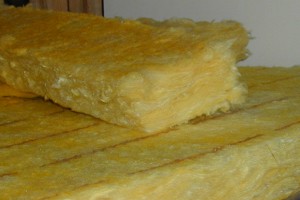
Glass Wool - Material Table - Applications - Price
Source: wikipedia.org License: CC-BY SA 3.0

Applications of glass wool include structural insulation, pipe insulation, filtration and soundproofing. Glass wool is a versatile material that can be used for the insulation of walls, roofs and floors. It can be a loose fill material, blown into attics, or, together with an active binder sprayed on the underside of structures. During the installation of the glass wool, it should be kept dry at all times, since an increase of the moisture content causes a significant increase in thermal conductivity.

Mechanical Properties of Glass Wool

Strength of Glass Wool

In mechanics of materials, the strength of a material is its ability to withstand an applied load without failure or plastic deformation. Strength of materials basically considers the relationship between the external loads applied to a material and the resulting deformation or change in material dimensions. In designing structures and machines, it is important to consider these factors, in order that the material selected will have adequate strength to resist applied loads or forces and retain its original shape.

Strength of a material is its ability to withstand this applied load without failure or plastic deformation. For tensile stress, the capacity of a material or structure to withstand loads tending to elongate is known as ultimate tensile strength (UTS). Yield strength or yield stress is the material property defined as the stress at which a material begins to deform plastically whereas yield point is the point where nonlinear (elastic + plastic) deformation begins. In case of tensional stress of a uniform bar (stress-strain curve), the Hooke’s law describes behaviour of a bar in the elastic region. The Young’s modulus of elasticity is the elastic modulus for tensile and compressive stress in the linear elasticity regime of a uniaxial deformation and is usually assessed by tensile tests.

See also: Strength of Materials

Ultimate Tensile Strength of Glass Wool

Ultimate tensile strength of Glass Wool is 0.02 MPa.

Yield Strength of Glass Wool

Yield strength of Glass Wool is N/A.

Modulus of Elasticity of Glass Wool

The Young’s modulus of elasticity of Glass Wool is N/A.

Hardness of Glass Wool

In materials science, hardness is the ability to withstand surface indentation (localized plastic deformation) and scratching. Brinell hardness test is one of indentation hardness tests, that has been developed for hardness testing. In Brinell tests, a hard, spherical indenter is forced under a specific load into the surface of the metal to be tested.

The Brinell hardness number (HB) is the load divided by the surface area of the indentation. The diameter of the impression is measured with a microscope with a superimposed scale. The Brinell hardness number is computed from the equation:

brinell hardness number - definition

Brinell hardness of Glass Wool is approximately N/A.

See also: Hardness of Materials

Strength of Materials

Material Table - Strength of Materials

Elasticity of Materials

Material Table - Elasticity of Materials

Hardness of Materials

Material Table - Hardness of Materials  

Thermal Properties of Glass Wool

Glass Wool – Melting Point

Melting point of Glass Wool is 1227 °C.

Note that, these points are associated with the standard atmospheric pressure. In general, melting is a phase change of a substance from the solid to the liquid phase. The melting point of a substance is the temperature at which this phase change occurs. The melting point also defines a condition in which the solid and liquid can exist in equilibrium. For various chemical compounds and alloys, it is difficult to define the melting point, since they are usually a mixture of various chemical elements.

Glass Wool – Thermal Conductivity

Thermal conductivity of Glass Wool is 0.03 W/(m·K).

The heat transfer characteristics of a solid material are measured by a property called the thermal conductivity, k (or λ), measured in W/m.K. It is a measure of a substance’s ability to transfer heat through a material by conduction. Note that Fourier’s law applies for all matter, regardless of its state (solid, liquid, or gas), therefore, it is also defined for liquids and gases.

The thermal conductivity of most liquids and solids varies with temperature. For vapors, it also depends upon pressure. In general:

thermal conductivity - definition

Most materials are very nearly homogeneous, therefore we can usually write k = k (T). Similar definitions are associated with thermal conductivities in the y- and z-directions (ky, kz), but for an isotropic material the thermal conductivity is independent of the direction of transfer, kx = ky = kz = k.

Glass Wool – Specific Heat

Specific heat of Glass Wool is 840 J/g K.

Specific heat, or specific heat capacity, is a property related to internal energy that is very important in thermodynamics. The intensive properties cv and cp are defined for pure, simple compressible substances as partial derivatives of the internal energy u(T, v) and enthalpy h(T, p), respectively:

where the subscripts v and p denote the variables held fixed during differentiation. The properties cv and cp are referred to as specific heats (or heat capacities) because under certain special conditions they relate the temperature change of a system to the amount of energy added by heat transfer. Their SI units are J/kg K or J/mol K.

Melting Point of Materials

Material Table - Melting Point

Thermal Conductivity of Materials

Material Table - Thermal Conductivity

Heat Capacity of Materials

Material Table - Heat Capacity

Properties and prices of other materials

material-table-in-8k-resolution

Propane – Material Table – Applications – Price

About Propane

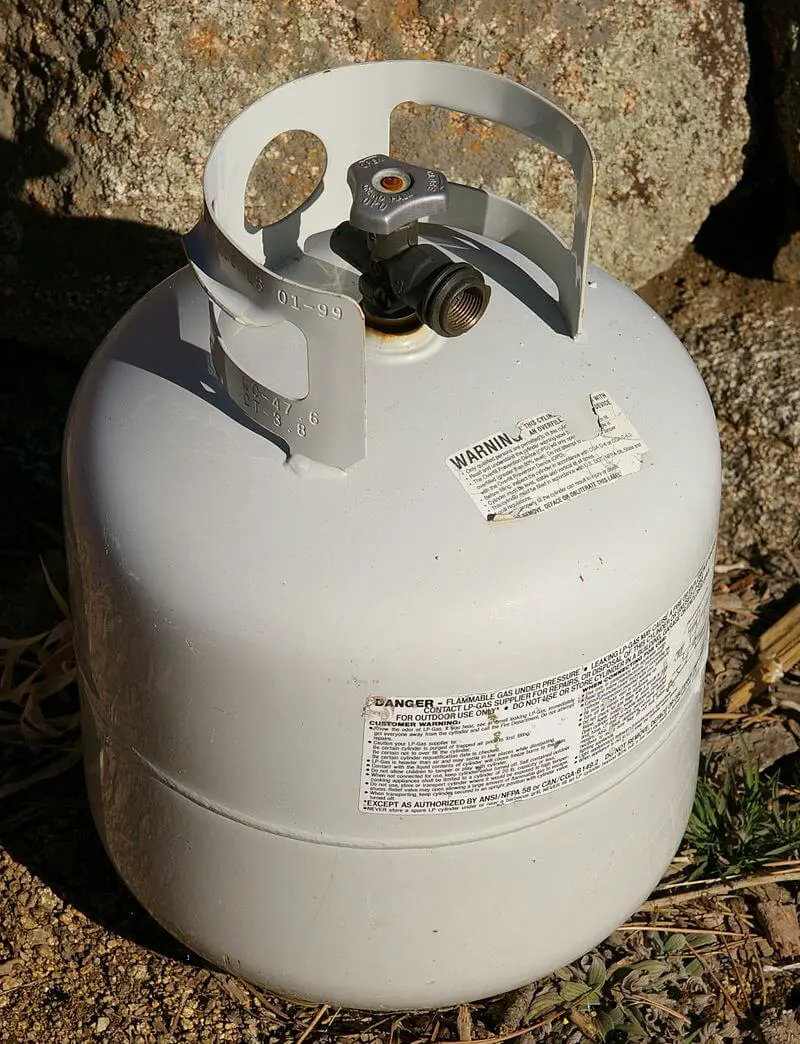
Propane is a colourless, easily liquefied, gaseous hydrocarbon (alkane). The chemical formula for propane is C3H8. It is separated in large quantities from natural gas, light crude oil, and oil-refinery gases and is commercially available as liquefied propane or as a major constituent of liquefied petroleum gas (LPG). Propane gas has become a popular choice for barbecues and portable stoves because its low boiling point makes it vaporize as soon as it is released from its pressurized container. At normal pressure it liquifies below its boiling point at −42 °C and solidifies below its melting point at −187.7 °C.

propane properties density strength price

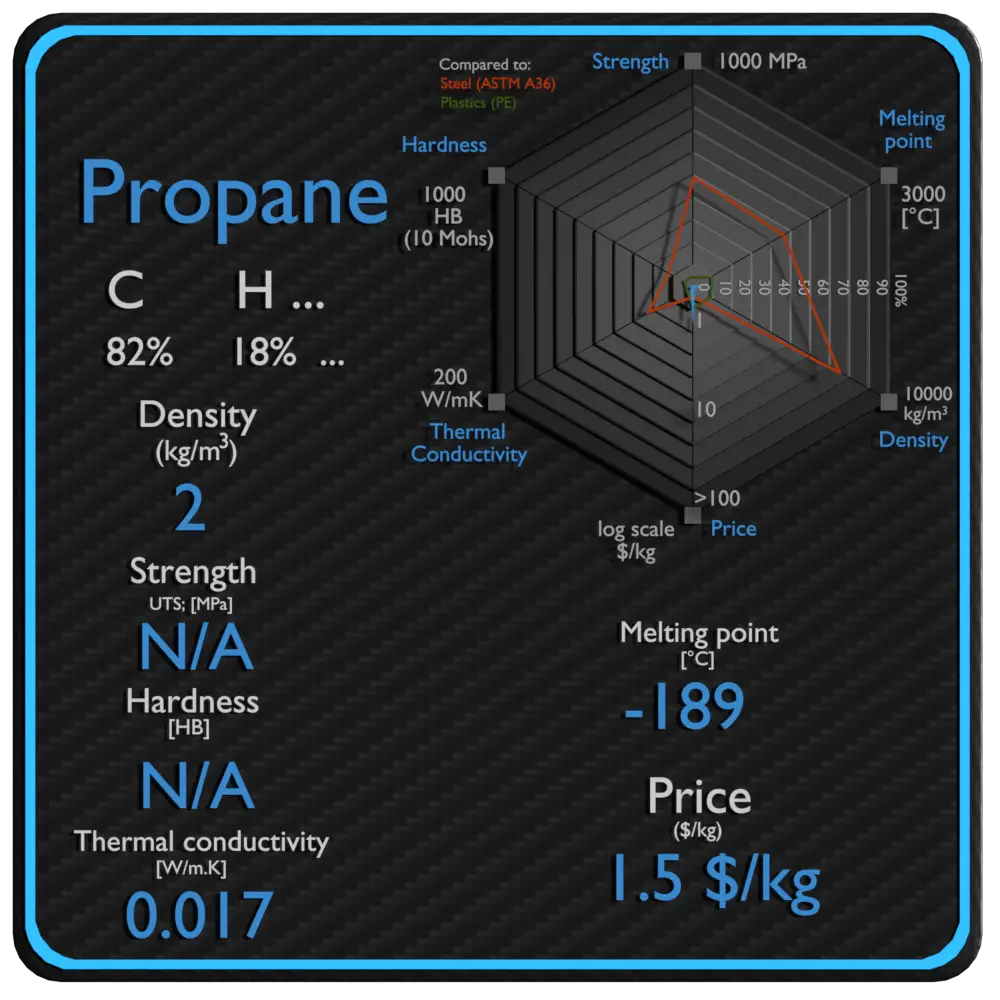
Summary

Name Propane
Phase at STP gas
Density 2 kg/m3
Ultimate Tensile Strength N/A
Yield Strength N/A
Young’s Modulus of Elasticity N/A
Brinell Hardness N/A
Melting Point -189 °C
Thermal Conductivity 0.017 W/mK
Heat Capacity 1630 J/g K
Price 1.5 $/kg

Composition of Propane

Propane is a three-carbon alkane with the molecular formula C3H8.

82%Carbon in Periodic Table

18%Hydrogen in Periodic Table

Applications of Propane

Propane - Material Table - Applications - Price
Source: wikipedia.org License: CC-BY SA 3.0

Propane is commonly used as a fuel in domestic and industrial applications and in low-emissions public.


Strength of Materials

Material Table - Strength of Materials

Elasticity of Materials

Material Table - Elasticity of Materials

Hardness of Materials

Material Table - Hardness of Materials  

Thermal Properties of Propane

Propane – Melting Point

Melting point of Propane is 1-189 °C.

Note that, these points are associated with the standard atmospheric pressure. In general, melting is a phase change of a substance from the solid to the liquid phase. The melting point of a substance is the temperature at which this phase change occurs. The melting point also defines a condition in which the solid and liquid can exist in equilibrium. For various chemical compounds and alloys, it is difficult to define the melting point, since they are usually a mixture of various chemical elements.

Propane – Thermal Conductivity

Thermal conductivity of Propane is 0.017 W/(m·K).

The heat transfer characteristics of a solid material are measured by a property called the thermal conductivity, k (or λ), measured in W/m.K. It is a measure of a substance’s ability to transfer heat through a material by conduction. Note that Fourier’s law applies for all matter, regardless of its state (solid, liquid, or gas), therefore, it is also defined for liquids and gases.

The thermal conductivity of most liquids and solids varies with temperature. For vapors, it also depends upon pressure. In general:

thermal conductivity - definition

Most materials are very nearly homogeneous, therefore we can usually write k = k (T). Similar definitions are associated with thermal conductivities in the y- and z-directions (ky, kz), but for an isotropic material the thermal conductivity is independent of the direction of transfer, kx = ky = kz = k.

Propane – Specific Heat

Specific heat of Propane is 1630 J/g K.

Specific heat, or specific heat capacity, is a property related to internal energy that is very important in thermodynamics. The intensive properties cv and cp are defined for pure, simple compressible substances as partial derivatives of the internal energy u(T, v) and enthalpy h(T, p), respectively:

where the subscripts v and p denote the variables held fixed during differentiation. The properties cv and cp are referred to as specific heats (or heat capacities) because under certain special conditions they relate the temperature change of a system to the amount of energy added by heat transfer. Their SI units are J/kg K or J/mol K.

Melting Point of Materials

Material Table - Melting Point

Thermal Conductivity of Materials

Material Table - Thermal Conductivity

Heat Capacity of Materials

Material Table - Heat Capacity

Properties and prices of other materials

material-table-in-8k-resolution

Asphalt Concrete – Material Table – Applications – Price

About Asphalt Concrete

Asphalt, also known as bitumen, is black or brown petroleum-like material that has a consistency varying from viscous liquid to glassy solid. It may be found in natural deposits or may be a refined product, and is classed as a pitch. Asphalt consists of compounds of hydrocarbons.

asphalt concrete properties density strength price

Summary

Name Asphalt Concrete
Phase at STP solid
Density 2360 kg/m3
Ultimate Tensile Strength 1.2 MPa
Yield Strength N/A
Young’s Modulus of Elasticity 8 GPa
Brinell Hardness N/A
Melting Point 167 °C
Thermal Conductivity 0.75 W/mK
Heat Capacity 900 J/g K
Price 0.15 $/kg

Composition of Asphalt Concrete

Asphalt concrete mixes are typically composed of 5% asphalt cement and 95% aggregates (stone, sand, and gravel). Due to its highly viscous nature, asphalt cement must be heated so it can be mixed with the aggregates at the asphalt mixing facility. The components of asphalt binder include four main classes of compounds: Naphthene aromatics (naphthalene); polar aromatics, consisting of high molecular weight phenols and carboxylic acids produced by partial oxidation of the material; saturated hydrocarbons and asphaltenes, consisting of high molecular weight phenols and heterocyclic compounds

20%Silicon in Periodic Table

15%Calcium in Periodic Table

10%Carbon in Periodic Table

Applications of Asphalt Concrete

Asphalt Concrete - Material Table - Applications - Price
Source: wikipedia.org License: CC-BY SA 3.0

The primary use (70%) of asphalt is in road construction, where it is used as the glue or binder mixed with aggregate particles to create asphalt concrete. Asphalt concrete consists of mineral aggregate bound together with asphalt, laid in layers, and compacted. Its other main uses are for bituminous waterproofing products, including production of roofing felt and for sealing flat roofs.

Mechanical Properties of Asphalt Concrete

Strength of Asphalt Concrete

In mechanics of materials, the strength of a material is its ability to withstand an applied load without failure or plastic deformation. Strength of materials basically considers the relationship between the external loads applied to a material and the resulting deformation or change in material dimensions. In designing structures and machines, it is important to consider these factors, in order that the material selected will have adequate strength to resist applied loads or forces and retain its original shape.

Strength of a material is its ability to withstand this applied load without failure or plastic deformation. For tensile stress, the capacity of a material or structure to withstand loads tending to elongate is known as ultimate tensile strength (UTS). Yield strength or yield stress is the material property defined as the stress at which a material begins to deform plastically whereas yield point is the point where nonlinear (elastic + plastic) deformation begins. In case of tensional stress of a uniform bar (stress-strain curve), the Hooke’s law describes behaviour of a bar in the elastic region. The Young’s modulus of elasticity is the elastic modulus for tensile and compressive stress in the linear elasticity regime of a uniaxial deformation and is usually assessed by tensile tests.

See also: Strength of Materials

Ultimate Tensile Strength of Asphalt Concrete

Ultimate tensile strength of Asphalt Concrete is 1.2 MPa.

Yield Strength of Asphalt Concrete

Yield strength of Asphalt Concrete is N/A.

Modulus of Elasticity of Asphalt Concrete

The Young’s modulus of elasticity of Asphalt Concrete is 8 GPa.

Hardness of Asphalt Concrete

In materials science, hardness is the ability to withstand surface indentation (localized plastic deformation) and scratching. Brinell hardness test is one of indentation hardness tests, that has been developed for hardness testing. In Brinell tests, a hard, spherical indenter is forced under a specific load into the surface of the metal to be tested.

The Brinell hardness number (HB) is the load divided by the surface area of the indentation. The diameter of the impression is measured with a microscope with a superimposed scale. The Brinell hardness number is computed from the equation:

brinell hardness number - definition

Brinell hardness of Asphalt Concrete is approximately N/A.

See also: Hardness of Materials

Strength of Materials

Material Table - Strength of Materials

Elasticity of Materials

Material Table - Elasticity of Materials

Hardness of Materials

Material Table - Hardness of Materials  

Thermal Properties of Asphalt Concrete

Asphalt Concrete – Melting Point

Melting point of Asphalt Concrete is 167 °C.

Note that, these points are associated with the standard atmospheric pressure. In general, melting is a phase change of a substance from the solid to the liquid phase. The melting point of a substance is the temperature at which this phase change occurs. The melting point also defines a condition in which the solid and liquid can exist in equilibrium. For various chemical compounds and alloys, it is difficult to define the melting point, since they are usually a mixture of various chemical elements.

Asphalt Concrete – Thermal Conductivity

Thermal conductivity of Asphalt Concrete is 0.75 W/(m·K).

The heat transfer characteristics of a solid material are measured by a property called the thermal conductivity, k (or λ), measured in W/m.K. It is a measure of a substance’s ability to transfer heat through a material by conduction. Note that Fourier’s law applies for all matter, regardless of its state (solid, liquid, or gas), therefore, it is also defined for liquids and gases.

The thermal conductivity of most liquids and solids varies with temperature. For vapors, it also depends upon pressure. In general:

thermal conductivity - definition

Most materials are very nearly homogeneous, therefore we can usually write k = k (T). Similar definitions are associated with thermal conductivities in the y- and z-directions (ky, kz), but for an isotropic material the thermal conductivity is independent of the direction of transfer, kx = ky = kz = k.

Asphalt Concrete – Specific Heat

Specific heat of Asphalt Concrete is 900 J/g K.

Specific heat, or specific heat capacity, is a property related to internal energy that is very important in thermodynamics. The intensive properties cv and cp are defined for pure, simple compressible substances as partial derivatives of the internal energy u(T, v) and enthalpy h(T, p), respectively:

where the subscripts v and p denote the variables held fixed during differentiation. The properties cv and cp are referred to as specific heats (or heat capacities) because under certain special conditions they relate the temperature change of a system to the amount of energy added by heat transfer. Their SI units are J/kg K or J/mol K.

Melting Point of Materials

Material Table - Melting Point

Thermal Conductivity of Materials

Material Table - Thermal Conductivity

Heat Capacity of Materials

Material Table - Heat Capacity

Properties and prices of other materials

material-table-in-8k-resolution

Bituminous Coal – Material Table – Applications – Price

About Bituminous Coal

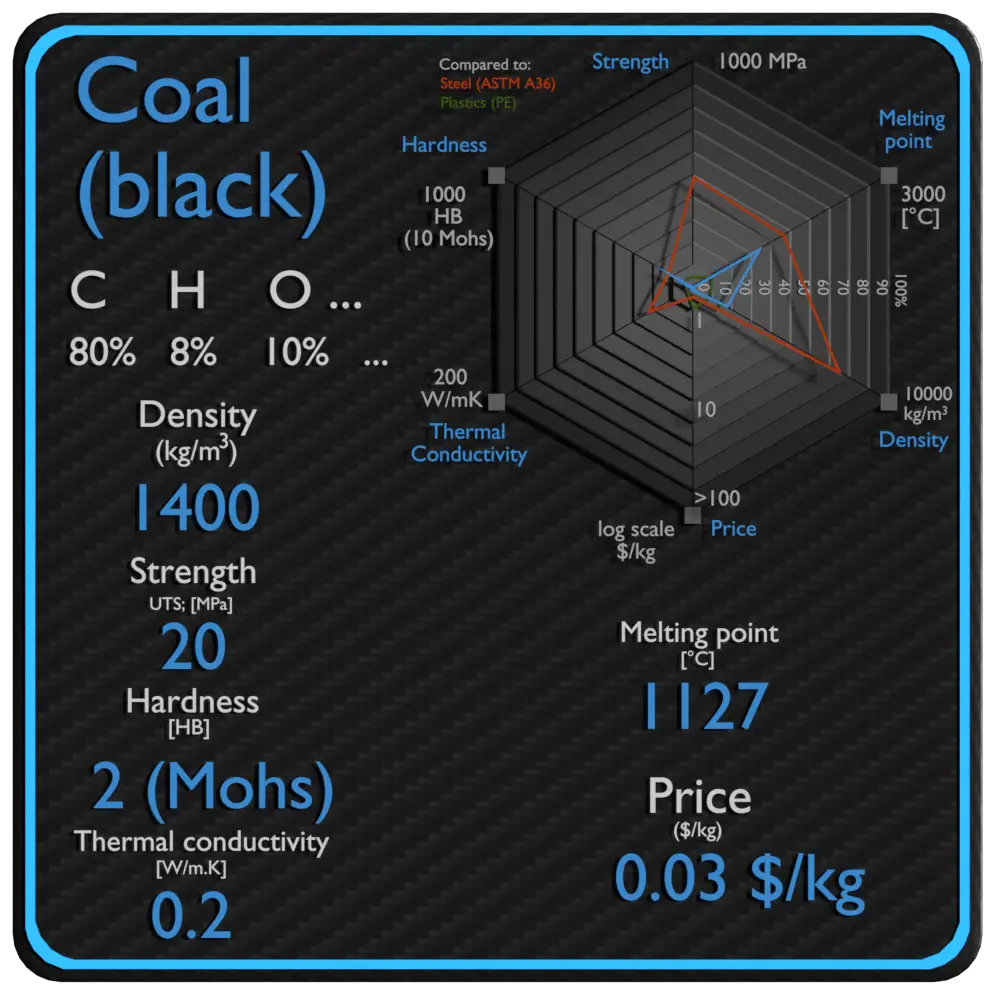
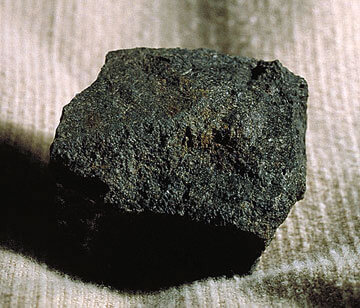
Coal is a rock formed from the decomposition of plant life. It is primarily composed of carbon, with many other trace elements. Bituminous coal or black coal is a relatively soft coal containing a tarlike substance called bitumen or asphalt. It is of higher quality than lignite and Sub-bituminous coal, but of poorer quality than anthracite.

coal properties density strength price

Summary

Name Bituminous Coal
Phase at STP solid
Density 1400 kg/m3
Ultimate Tensile Strength 20 MPa
Yield Strength N/A
Young’s Modulus of Elasticity N/A
Brinell Hardness 2 Mohs
Melting Point 1127 °C
Thermal Conductivity 0.2 W/mK
Heat Capacity 1380 J/g K
Price 0.03 $/kg

Composition of Bituminous Coal

Coal is composed of macerals, minerals and water. Exact composition of coal is strongly dependent foremost on the time during which the conversion from plant matter to the final mineral took place. The older the coal, the higher the carbon percentage and the less apparent the original vegetable component, i.e. the fossil, remains of plant tissues, resin, etc. And, in particular, such coal is of higher quality and is in greater demand. However, besides that coalification and representation of impurities is dependent on other circumstances, in particular on species composition of plants from which the coal was formed, on the character of the deposit, geological history. Bituminous coal is an organic sedimentary rock formed by diagenetic and sub metamorphic compression of peat bog material. Its primary constituents are macerals: vitrinite, and liptinite. The carbon content of bituminous coal is around 45–86%; the rest is composed of water, air, hydrogen, and sulfur, which have not been driven off from the macerals. Elemental analysis gives empirical formulas such as C137H97O9NS for bituminous coal and C240H90O4NS for high-grade anthracite.

80%Carbon in Periodic Table

8%Hydrogen in Periodic Table

10%Oxygen in Periodic Table

Applications of Bituminous Coal

Coal - Material Table - Applications - Price
Source: wikipedia.org License: CC-BY SA 3.0

Coal’s high energy density and extensive reserves found in nature make it useful as a fuel for electricity generation in coal-fired power plants, and in some places, heating. About 8000 Mt of coal are produced annually, about 90% of which is hard coal and 10% lignite. As of 2018 just over half is from underground mines. The most significant uses of coal are in electricity generation, steel production, cement manufacturing and as a liquid fuel.

Mechanical Properties of Bituminous Coal

Strength of Bituminous Coal

In mechanics of materials, the strength of a material is its ability to withstand an applied load without failure or plastic deformation. Strength of materials basically considers the relationship between the external loads applied to a material and the resulting deformation or change in material dimensions. In designing structures and machines, it is important to consider these factors, in order that the material selected will have adequate strength to resist applied loads or forces and retain its original shape.

Strength of a material is its ability to withstand this applied load without failure or plastic deformation. For tensile stress, the capacity of a material or structure to withstand loads tending to elongate is known as ultimate tensile strength (UTS). Yield strength or yield stress is the material property defined as the stress at which a material begins to deform plastically whereas yield point is the point where nonlinear (elastic + plastic) deformation begins. In case of tensional stress of a uniform bar (stress-strain curve), the Hooke’s law describes behaviour of a bar in the elastic region. The Young’s modulus of elasticity is the elastic modulus for tensile and compressive stress in the linear elasticity regime of a uniaxial deformation and is usually assessed by tensile tests.

See also: Strength of Materials

Ultimate Tensile Strength of Bituminous Coal

Ultimate tensile strength of Bituminous Coal is 20 MPa.

Yield Strength of Bituminous Coal

Yield strength of Bituminous Coal is N/A.

Modulus of Elasticity of Bituminous Coal

The Young’s modulus of elasticity of Bituminous Coal is N/A.

Hardness of Bituminous Coal

In materials science, hardness is the ability to withstand surface indentation (localized plastic deformation) and scratching. Brinell hardness test is one of indentation hardness tests, that has been developed for hardness testing. In Brinell tests, a hard, spherical indenter is forced under a specific load into the surface of the metal to be tested.

The Brinell hardness number (HB) is the load divided by the surface area of the indentation. The diameter of the impression is measured with a microscope with a superimposed scale. The Brinell hardness number is computed from the equation:

brinell hardness number - definition

Hardness of Bituminous Coal is approximately 2 Mohs.

See also: Hardness of Materials

Strength of Materials

Material Table - Strength of Materials

Elasticity of Materials

Material Table - Elasticity of Materials

Hardness of Materials

Material Table - Hardness of Materials  

Thermal Properties of Bituminous Coal

Bituminous Coal – Melting Point

Melting point of Bituminous Coal is 1127 °C.

Note that, these points are associated with the standard atmospheric pressure. In general, melting is a phase change of a substance from the solid to the liquid phase. The melting point of a substance is the temperature at which this phase change occurs. The melting point also defines a condition in which the solid and liquid can exist in equilibrium. For various chemical compounds and alloys, it is difficult to define the melting point, since they are usually a mixture of various chemical elements.

Bituminous Coal – Thermal Conductivity

Thermal conductivity of Bituminous Coal is 0.2 W/(m·K).

The heat transfer characteristics of a solid material are measured by a property called the thermal conductivity, k (or λ), measured in W/m.K. It is a measure of a substance’s ability to transfer heat through a material by conduction. Note that Fourier’s law applies for all matter, regardless of its state (solid, liquid, or gas), therefore, it is also defined for liquids and gases.

The thermal conductivity of most liquids and solids varies with temperature. For vapors, it also depends upon pressure. In general:

thermal conductivity - definition

Most materials are very nearly homogeneous, therefore we can usually write k = k (T). Similar definitions are associated with thermal conductivities in the y- and z-directions (ky, kz), but for an isotropic material the thermal conductivity is independent of the direction of transfer, kx = ky = kz = k.

Bituminous Coal – Specific Heat

Specific heat of Bituminous Coal is 1380 J/g K.

Specific heat, or specific heat capacity, is a property related to internal energy that is very important in thermodynamics. The intensive properties cv and cp are defined for pure, simple compressible substances as partial derivatives of the internal energy u(T, v) and enthalpy h(T, p), respectively:

where the subscripts v and p denote the variables held fixed during differentiation. The properties cv and cp are referred to as specific heats (or heat capacities) because under certain special conditions they relate the temperature change of a system to the amount of energy added by heat transfer. Their SI units are J/kg K or J/mol K.

Melting Point of Materials

Material Table - Melting Point

Thermal Conductivity of Materials

Material Table - Thermal Conductivity

Heat Capacity of Materials

Material Table - Heat Capacity

Properties and prices of other materials

material-table-in-8k-resolution

Wax – Material Table – Applications – Price

About Wax

In general, waxes are a diverse class of organic compounds that are lipophilic, malleable solids near ambient temperatures. They include higher alkanes and lipids, typically with melting points above about 40 °C (104 °F), melting to give low viscosity liquids. Although many natural waxes contain esters, paraffin waxes are hydrocarbons, mixtures of alkanes usually in a homologous series of chain lengths. These materials represent a significant fraction of petroleum.

wax properties density strength price

Summary

Name Wax
Phase at STP solid
Density 960 kg/m3
Ultimate Tensile Strength 0.9 MPa
Yield Strength N/A
Young’s Modulus of Elasticity 0.2 GPa
Brinell Hardness N/A
Melting Point 57 °C
Thermal Conductivity 0.2 W/mK
Heat Capacity 2200 J/g K
Price 1.5 $/kg

Composition of Wax

The hydrocarbon C31H64 is a typical component of paraffin wax.

86%Carbon in Periodic Table

14%Hydrogen in Periodic Table

Applications of Wax

Wax - Material Table - Applications - Price
Source: wikipedia.org License: CC-BY SA 3.0

Waxes are mainly consumed industrially as components of complex formulations, often for coatings. Common applications for paraffin wax include lubrication, electrical insulation, and candles. Dyed paraffin wax can be made into crayons.

Mechanical Properties of Wax

Strength of Wax

In mechanics of materials, the strength of a material is its ability to withstand an applied load without failure or plastic deformation. Strength of materials basically considers the relationship between the external loads applied to a material and the resulting deformation or change in material dimensions. In designing structures and machines, it is important to consider these factors, in order that the material selected will have adequate strength to resist applied loads or forces and retain its original shape.

Strength of a material is its ability to withstand this applied load without failure or plastic deformation. For tensile stress, the capacity of a material or structure to withstand loads tending to elongate is known as ultimate tensile strength (UTS). Yield strength or yield stress is the material property defined as the stress at which a material begins to deform plastically whereas yield point is the point where nonlinear (elastic + plastic) deformation begins. In case of tensional stress of a uniform bar (stress-strain curve), the Hooke’s law describes behaviour of a bar in the elastic region. The Young’s modulus of elasticity is the elastic modulus for tensile and compressive stress in the linear elasticity regime of a uniaxial deformation and is usually assessed by tensile tests.

See also: Strength of Materials

Ultimate Tensile Strength of Wax

Ultimate tensile strength of Wax is 0.9 MPa.

Yield Strength of Wax

Yield strength of Wax is N/A.

Modulus of Elasticity of Wax

The Young’s modulus of elasticity of Wax is 0.2 GPa.

Hardness of Wax

In materials science, hardness is the ability to withstand surface indentation (localized plastic deformation) and scratching. Brinell hardness test is one of indentation hardness tests, that has been developed for hardness testing. In Brinell tests, a hard, spherical indenter is forced under a specific load into the surface of the metal to be tested.

The Brinell hardness number (HB) is the load divided by the surface area of the indentation. The diameter of the impression is measured with a microscope with a superimposed scale. The Brinell hardness number is computed from the equation:

brinell hardness number - definition

Brinell hardness of Wax is approximately N/A.

See also: Hardness of Materials

Strength of Materials

Material Table - Strength of Materials

Elasticity of Materials

Material Table - Elasticity of Materials

Hardness of Materials

Material Table - Hardness of Materials  

Thermal Properties of Wax

Wax – Melting Point

Melting point of Wax is 57 °C.

Note that, these points are associated with the standard atmospheric pressure. In general, melting is a phase change of a substance from the solid to the liquid phase. The melting point of a substance is the temperature at which this phase change occurs. The melting point also defines a condition in which the solid and liquid can exist in equilibrium. For various chemical compounds and alloys, it is difficult to define the melting point, since they are usually a mixture of various chemical elements.

Wax – Thermal Conductivity

Thermal conductivity of Wax is 0.2 W/(m·K).

The heat transfer characteristics of a solid material are measured by a property called the thermal conductivity, k (or λ), measured in W/m.K. It is a measure of a substance’s ability to transfer heat through a material by conduction. Note that Fourier’s law applies for all matter, regardless of its state (solid, liquid, or gas), therefore, it is also defined for liquids and gases.

The thermal conductivity of most liquids and solids varies with temperature. For vapors, it also depends upon pressure. In general:

thermal conductivity - definition

Most materials are very nearly homogeneous, therefore we can usually write k = k (T). Similar definitions are associated with thermal conductivities in the y- and z-directions (ky, kz), but for an isotropic material the thermal conductivity is independent of the direction of transfer, kx = ky = kz = k.

Wax – Specific Heat

Specific heat of Wax is 2200 J/g K.

Specific heat, or specific heat capacity, is a property related to internal energy that is very important in thermodynamics. The intensive properties cv and cp are defined for pure, simple compressible substances as partial derivatives of the internal energy u(T, v) and enthalpy h(T, p), respectively:

where the subscripts v and p denote the variables held fixed during differentiation. The properties cv and cp are referred to as specific heats (or heat capacities) because under certain special conditions they relate the temperature change of a system to the amount of energy added by heat transfer. Their SI units are J/kg K or J/mol K.

Melting Point of Materials

Material Table - Melting Point

Thermal Conductivity of Materials

Material Table - Thermal Conductivity

Heat Capacity of Materials

Material Table - Heat Capacity

Properties and prices of other materials

material-table-in-8k-resolution
Sugar – Material Table – Applications – Price

About Sugar

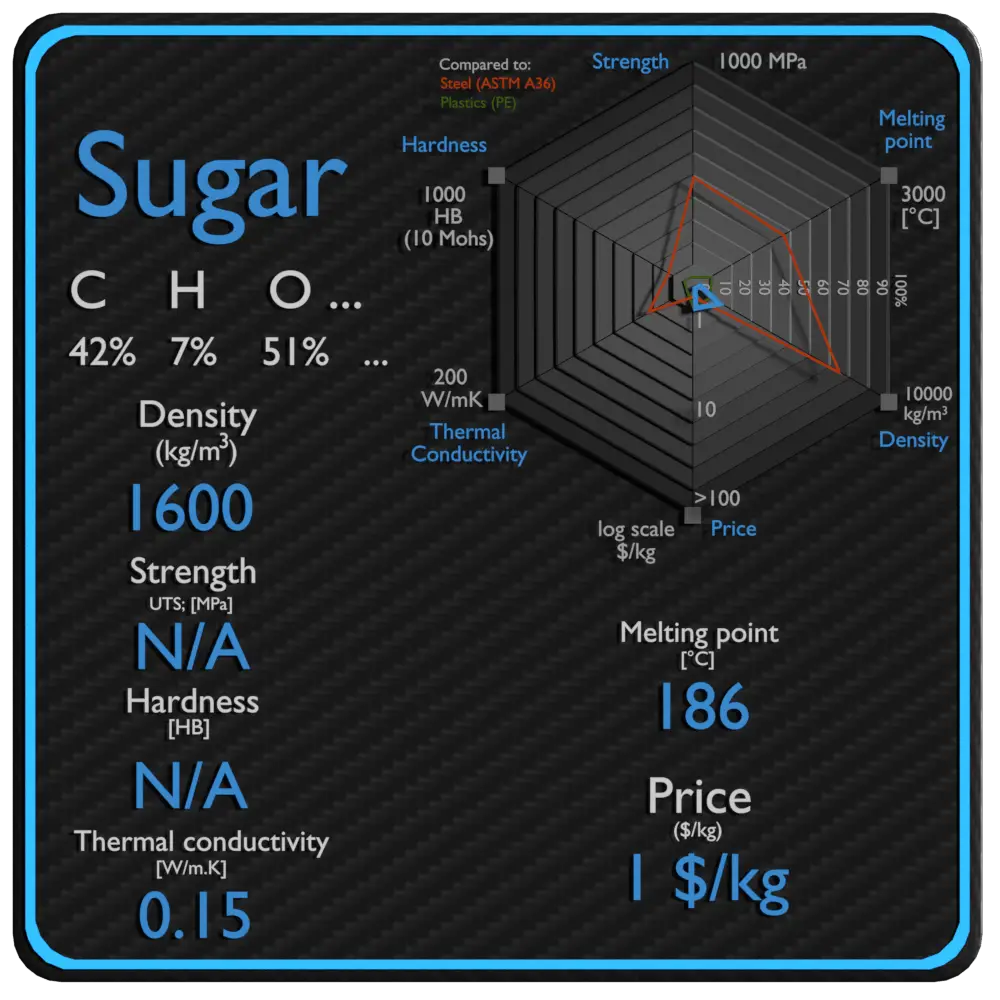
Sugar is colourless, water-soluble compound present in the sap of seed plants and the milk of mammals and making up the simplest group of carbohydrates. The most common sugar is sucrose, a crystalline tabletop and industrial sweetener used in foods and beverages.

sugar properties density strength price

Summary

Name Sugar
Phase at STP solid
Density 1600 kg/m3
Ultimate Tensile Strength N/A
Yield Strength N/A
Young’s Modulus of Elasticity N/A
Brinell Hardness N/A
Melting Point 186 °C
Thermal Conductivity 0.15 W/mK
Heat Capacity 1244 J/g K
Price 1 $/kg

Composition of Sugar

Simple sugars, also called monosaccharides, include glucose, fructose, and galactose. Compound sugars, also called disaccharides or double sugars, are molecules composed of two monosaccharides joined by a glycosidic bond. As a chemical term, “sugar” usually refers to all carbohydrates of the general formula Cn(H2O)n. Sucrose is a disaccharide, or double sugar, being composed of one molecule of glucose linked to one molecule of fructose.

42%Carbon in Periodic Table

7%Hydrogen in Periodic Table

51%Oxygen in Periodic Table

Applications of Sugar

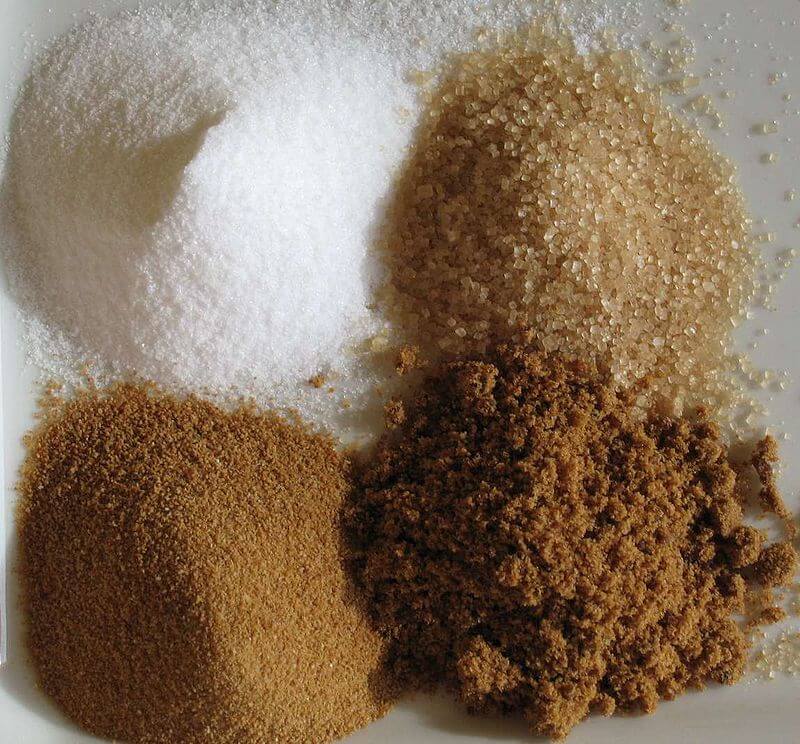
Sugar - Material Table - Applications - Price
Source: wikipedia.org License: CC-BY SA 3.0

Sucrose is used in prepared foods (e.g. cookies and cakes), is sometimes added to commercially available processed food and beverages, and may be used by people as a sweetener for foods (e.g. toast and cereal) and beverages (e.g. coffee and tea). The average person consumes about 24 kilograms (53 lb) of sugar each year.

Thermal Properties of Sugar

Sugar – Melting Point

Melting point of Sugar is 186 °C.

Note that, these points are associated with the standard atmospheric pressure. In general, melting is a phase change of a substance from the solid to the liquid phase. The melting point of a substance is the temperature at which this phase change occurs. The melting point also defines a condition in which the solid and liquid can exist in equilibrium. For various chemical compounds and alloys, it is difficult to define the melting point, since they are usually a mixture of various chemical elements.

Sugar – Thermal Conductivity

Thermal conductivity of Sugar is 0.15 W/(m·K).

The heat transfer characteristics of a solid material are measured by a property called the thermal conductivity, k (or λ), measured in W/m.K. It is a measure of a substance’s ability to transfer heat through a material by conduction. Note that Fourier’s law applies for all matter, regardless of its state (solid, liquid, or gas), therefore, it is also defined for liquids and gases.

The thermal conductivity of most liquids and solids varies with temperature. For vapors, it also depends upon pressure. In general:

thermal conductivity - definition

Most materials are very nearly homogeneous, therefore we can usually write k = k (T). Similar definitions are associated with thermal conductivities in the y- and z-directions (ky, kz), but for an isotropic material the thermal conductivity is independent of the direction of transfer, kx = ky = kz = k.

Sugar – Specific Heat

Specific heat of Sugar is 1244 J/g K.

Specific heat, or specific heat capacity, is a property related to internal energy that is very important in thermodynamics. The intensive properties cv and cp are defined for pure, simple compressible substances as partial derivatives of the internal energy u(T, v) and enthalpy h(T, p), respectively:

where the subscripts v and p denote the variables held fixed during differentiation. The properties cv and cp are referred to as specific heats (or heat capacities) because under certain special conditions they relate the temperature change of a system to the amount of energy added by heat transfer. Their SI units are J/kg K or J/mol K.

Melting Point of Materials

Material Table - Melting Point

Thermal Conductivity of Materials

Material Table - Thermal Conductivity

Heat Capacity of Materials

Material Table - Heat Capacity

Properties and prices of other materials

material-table-in-8k-resolution
Amalgam – Material Table – Applications – Price

About Amalgam

An amalgam is an alloy of mercury with another metal. It may be a liquid, a soft paste or a solid, depending upon the proportion of mercury.

amalgam properties density strength price

Summary

Name Amalgam
Phase at STP solid
Density 14000 kg/m3
Ultimate Tensile Strength 70 MPa
Yield Strength N/A
Young’s Modulus of Elasticity 40 GPa
Brinell Hardness 120 BHN
Melting Point 227 °C
Thermal Conductivity 23 W/mK
Heat Capacity 210 J/g K
Price 150 $/kg

Composition of Amalgam

Low-copper amalgam commonly consists of mercury (50%), silver (~22–32%), tin (~14%), zinc (~8%) and other trace metals. High-copper amalgam includes 40-60% silver, 27-30% tin and 13-30% copper and 1% zinc set with mercury.

50%Mercury in Periodic Table

25%Silver in Periodic Table

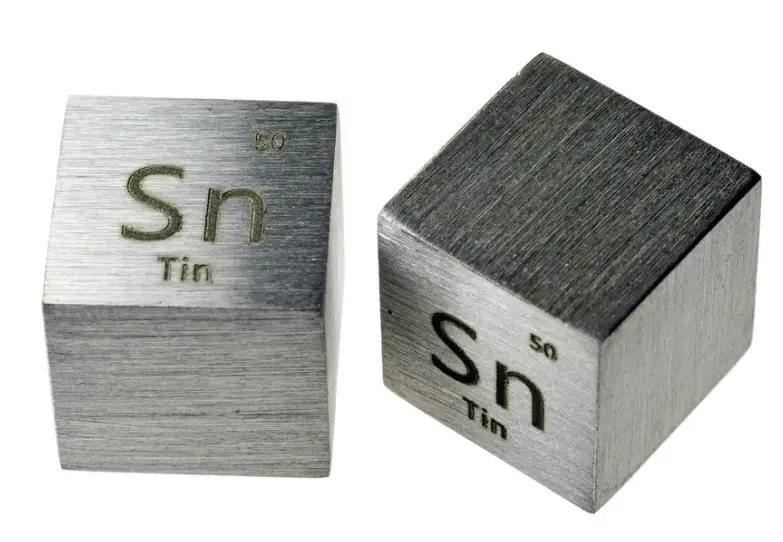
14%Tin in Periodic Table

Applications of Amalgam

Amalgam - Material Table - Applications - Price
Source: wikipedia.org License: CC-BY SA 3.0

Silver-mercury amalgams are important in dentistry, and gold-mercury amalgam is used in the extraction of gold from ore. Dentistry has used alloys of mercury with metals such as silver, copper, indium, tin and zinc. By adding copper, the tin-mercury phase is eliminated and modern dental amalgams are made by mixing silver-tin-copper alloy powder with mercury. This results in fillings that resist both the mechanical and chemical onslaughts within the mouth for many years.

Mechanical Properties of Amalgam

Strength of Amalgam

In mechanics of materials, the strength of a material is its ability to withstand an applied load without failure or plastic deformation. Strength of materials basically considers the relationship between the external loads applied to a material and the resulting deformation or change in material dimensions. In designing structures and machines, it is important to consider these factors, in order that the material selected will have adequate strength to resist applied loads or forces and retain its original shape.

Strength of a material is its ability to withstand this applied load without failure or plastic deformation. For tensile stress, the capacity of a material or structure to withstand loads tending to elongate is known as ultimate tensile strength (UTS). Yield strength or yield stress is the material property defined as the stress at which a material begins to deform plastically whereas yield point is the point where nonlinear (elastic + plastic) deformation begins. In case of tensional stress of a uniform bar (stress-strain curve), the Hooke’s law describes behaviour of a bar in the elastic region. The Young’s modulus of elasticity is the elastic modulus for tensile and compressive stress in the linear elasticity regime of a uniaxial deformation and is usually assessed by tensile tests.

See also: Strength of Materials

Ultimate Tensile Strength of Amalgam

Ultimate tensile strength of Amalgam is 70 MPa.

Yield Strength of Amalgam

Yield strength of Amalgam is N/A.

Modulus of Elasticity of Amalgam

The Young’s modulus of elasticity of Amalgam is 40 GPa.

Hardness of Amalgam

In materials science, hardness is the ability to withstand surface indentation (localized plastic deformation) and scratching. Brinell hardness test is one of indentation hardness tests, that has been developed for hardness testing. In Brinell tests, a hard, spherical indenter is forced under a specific load into the surface of the metal to be tested.

The Brinell hardness number (HB) is the load divided by the surface area of the indentation. The diameter of the impression is measured with a microscope with a superimposed scale. The Brinell hardness number is computed from the equation:

brinell hardness number - definition

Brinell hardness of Amalgam is approximately 120 BHN (converted).

See also: Hardness of Materials

Strength of Materials

Material Table - Strength of Materials

Elasticity of Materials

Material Table - Elasticity of Materials

Hardness of Materials

Material Table - Hardness of Materials  

Thermal Properties of Amalgam

Amalgam – Melting Point

Melting point of Amalgam is 227 °C.

Note that, these points are associated with the standard atmospheric pressure. In general, melting is a phase change of a substance from the solid to the liquid phase. The melting point of a substance is the temperature at which this phase change occurs. The melting point also defines a condition in which the solid and liquid can exist in equilibrium. For various chemical compounds and alloys, it is difficult to define the melting point, since they are usually a mixture of various chemical elements.

Amalgam – Thermal Conductivity

Thermal conductivity of Amalgam is 23 W/(m·K).

The heat transfer characteristics of a solid material are measured by a property called the thermal conductivity, k (or λ), measured in W/m.K. It is a measure of a substance’s ability to transfer heat through a material by conduction. Note that Fourier’s law applies for all matter, regardless of its state (solid, liquid, or gas), therefore, it is also defined for liquids and gases.

The thermal conductivity of most liquids and solids varies with temperature. For vapors, it also depends upon pressure. In general:

thermal conductivity - definition

Most materials are very nearly homogeneous, therefore we can usually write k = k (T). Similar definitions are associated with thermal conductivities in the y- and z-directions (ky, kz), but for an isotropic material the thermal conductivity is independent of the direction of transfer, kx = ky = kz = k.

Amalgam – Specific Heat

Specific heat of Amalgam is 210 J/g K.

Specific heat, or specific heat capacity, is a property related to internal energy that is very important in thermodynamics. The intensive properties cv and cp are defined for pure, simple compressible substances as partial derivatives of the internal energy u(T, v) and enthalpy h(T, p), respectively:

where the subscripts v and p denote the variables held fixed during differentiation. The properties cv and cp are referred to as specific heats (or heat capacities) because under certain special conditions they relate the temperature change of a system to the amount of energy added by heat transfer. Their SI units are J/kg K or J/mol K.

Melting Point of Materials

Material Table - Melting Point

Thermal Conductivity of Materials

Material Table - Thermal Conductivity

Heat Capacity of Materials

Material Table - Heat Capacity

Properties and prices of other materials

material-table-in-8k-resolution