Facebook Instagram Youtube Twitter

Ice – Material Table – Applications – Price

About Ice

Ice is simply water frozen into a solid state. Depending on the presence of impurities such as particles of soil or bubbles of air, it can appear transparent or a more or less opaque bluish-white color.
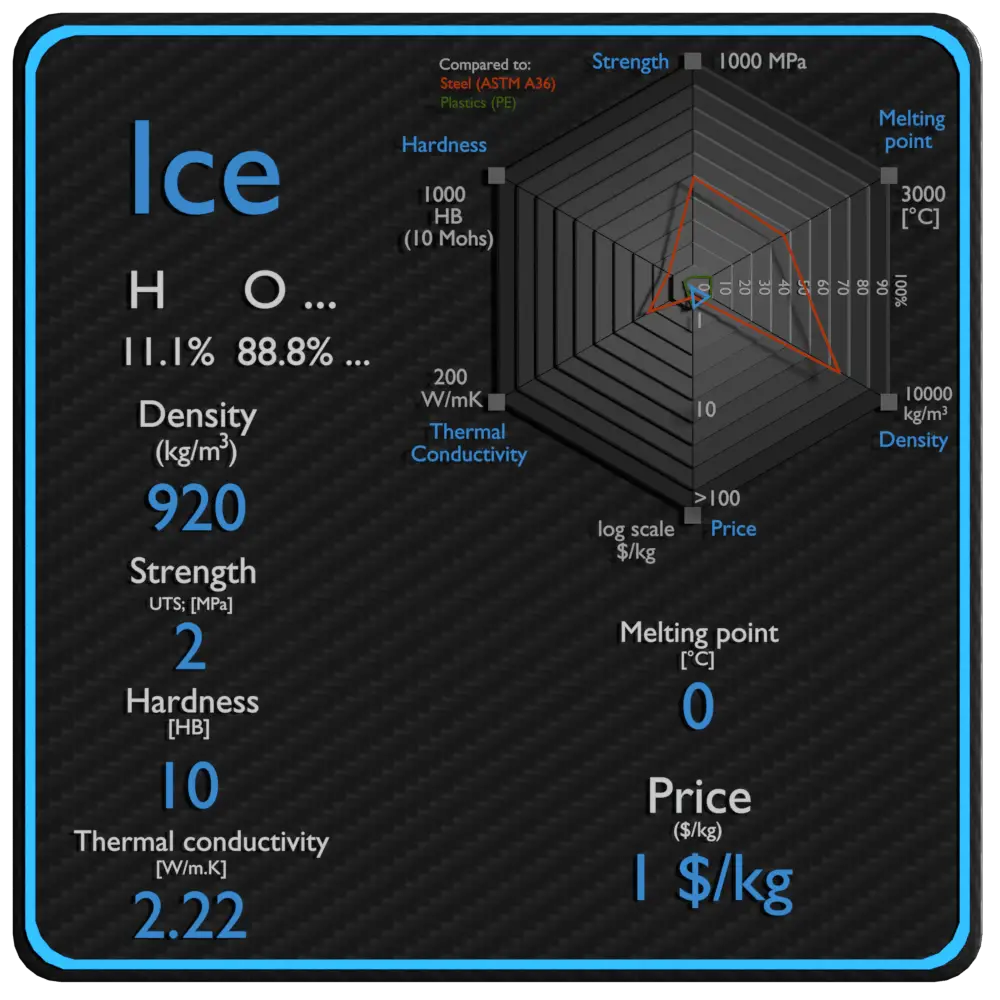
ice properties density strength price

Summary

Name Ice
Phase solid
Density 920 kg/m3
Ultimate Tensile Strength 2 MPa
Yield Strength N/A
Young’s Modulus of Elasticity 9.1 GPa
Brinell Hardness 10 BHN
Melting Point 0 °C
Thermal Conductivity 2.22 W/mK
Heat Capacity 2040 J/g K
Price 1 $/kg

Composition of Ice

Ice is simply water frozen into a solid state. Virtually all the ice on Earth’s surface and in its atmosphere is of a hexagonal crystalline structure. Air also contains a variable amount of water vapor, on average around 1% at sea level, and 0.4% over the entire atmosphere.

11.1%Hydrogen in Periodic Table
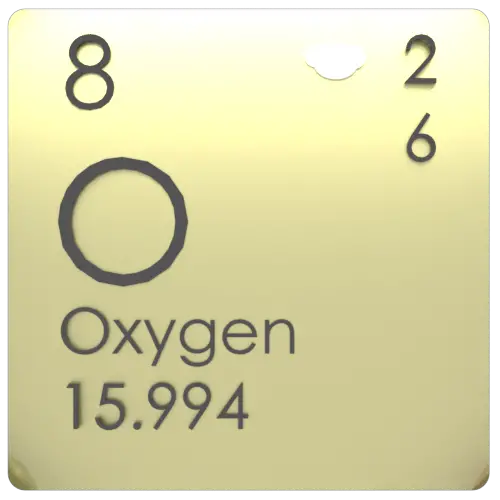
88.8%Oxygen in Periodic Table

Applications of Ice

Ice - Material Table - Applications - Price
Source: wikipedia.org License: CC-BY SA 3.0

Ice was used for cooling and food preservation for centuries, relying on harvesting natural ice in various forms and then transitioning to the mechanical production of the material. Ice also presents a challenge to transportation in various forms and a setting for winter sports. Types of commercial ice include block ice, cube ice, tube ice, flaked ice, plate ice, and shaved ice. It can be manufactured for an industrial application using special equipment. There are large ice factories that make tones of ice for commercial use in a day. Here, let us discuss how ice is made and the commercial industries that mostly use it.

Mechanical Properties of Ice

Strength of Ice

In mechanics of materials, the strength of a material is its ability to withstand an applied load without failure or plastic deformation. Strength of materials basically considers the relationship between the external loads applied to a material and the resulting deformation or change in material dimensions. In designing structures and machines, it is important to consider these factors, in order that the material selected will have adequate strength to resist applied loads or forces and retain its original shape.

Strength of a material is its ability to withstand this applied load without failure or plastic deformation. For tensile stress, the capacity of a material or structure to withstand loads tending to elongate is known as ultimate tensile strength (UTS). Yield strength or yield stress is the material property defined as the stress at which a material begins to deform plastically whereas yield point is the point where nonlinear (elastic + plastic) deformation begins. In case of tensional stress of a uniform bar (stress-strain curve), the Hooke’s law describes behaviour of a bar in the elastic region. The Young’s modulus of elasticity is the elastic modulus for tensile and compressive stress in the linear elasticity regime of a uniaxial deformation and is usually assessed by tensile tests.

See also: Strength of Materials

Ultimate Tensile Strength of Ice

Ultimate tensile strength of Ice is 2 MPa.

Yield Strength of Ice

Yield strength of Ice is N/A.

Modulus of Elasticity of Ice

The Young’s modulus of elasticity of Ice is 9.1 MPa.

Hardness of Ice

In materials science, hardness is the ability to withstand surface indentation (localized plastic deformation) and scratching. Brinell hardness test is one of indentation hardness tests, that has been developed for hardness testing. In Brinell tests, a hard, spherical indenter is forced under a specific load into the surface of the metal to be tested.

The Brinell hardness number (HB) is the load divided by the surface area of the indentation. The diameter of the impression is measured with a microscope with a superimposed scale. The Brinell hardness number is computed from the equation:
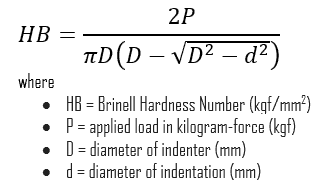
brinell hardness number - definition

Brinell hardness of Ice is approximately 10 BHN (converted).

See also: Hardness of Materials

Strength of Materials
Material Table - Strength of Materials

Elasticity of Materials
Material Table - Elasticity of Materials

Hardness of Materials
Material Table - Hardness of Materials  

Thermal Properties of Ice

Ice – Melting Point

Melting point of Ice is 0 °C.

Note that, these points are associated with the standard atmospheric pressure. In general, melting is a phase change of a substance from the solid to the liquid phase. The melting point of a substance is the temperature at which this phase change occurs. The melting point also defines a condition in which the solid and liquid can exist in equilibrium. For various chemical compounds and alloys, it is difficult to define the melting point, since they are usually a mixture of various chemical elements.

Ice – Thermal Conductivity

Thermal conductivity of Ice is 2.22 W/(m·K).

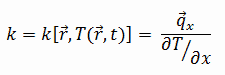
The heat transfer characteristics of a solid material are measured by a property called the thermal conductivity, k (or λ), measured in W/m.K. It is a measure of a substance’s ability to transfer heat through a material by conduction. Note that Fourier’s law applies for all matter, regardless of its state (solid, liquid, or gas), therefore, it is also defined for liquids and gases.

The thermal conductivity of most liquids and solids varies with temperature. For vapors, it also depends upon pressure. In general:
thermal conductivity - definition

Most materials are very nearly homogeneous, therefore we can usually write k = k (T). Similar definitions are associated with thermal conductivities in the y- and z-directions (ky, kz), but for an isotropic material the thermal conductivity is independent of the direction of transfer, kx = ky = kz = k.

Ice – Specific Heat

Specific heat of Ice is 2040 J/g K.

Specific heat, or specific heat capacity, is a property related to internal energy that is very important in thermodynamics. The intensive properties cv and cp are defined for pure, simple compressible substances as partial derivatives of the internal energy u(T, v) and enthalpy h(T, p), respectively:
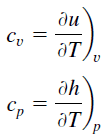
where the subscripts v and p denote the variables held fixed during differentiation. The properties cv and cp are referred to as specific heats (or heat capacities) because under certain special conditions they relate the temperature change of a system to the amount of energy added by heat transfer. Their SI units are J/kg K or J/mol K.

Melting Point of Materials
Material Table - Melting Point

Thermal Conductivity of Materials

Material Table - Thermal Conductivity

Heat Capacity of Materials

Material Table - Heat Capacity

Properties and prices of other materials

material-table-in-8k-resolution
Water – Material Table – Applications – Price

About Water

Water is a transparent and nearly colorless substance composed of the chemical elements hydrogen and oxygen, that are connected by covalent bonds. On Earth, water exists in gaseous (steam or water vapor), liquid, and solid states (ice). It is one of the most plentiful and essential of compounds and it is the main constituent of Earth’s streams, lakes, and oceans, and the fluids of most living organisms.  It is vital for all known forms of life.

water properties density strength price

Summary

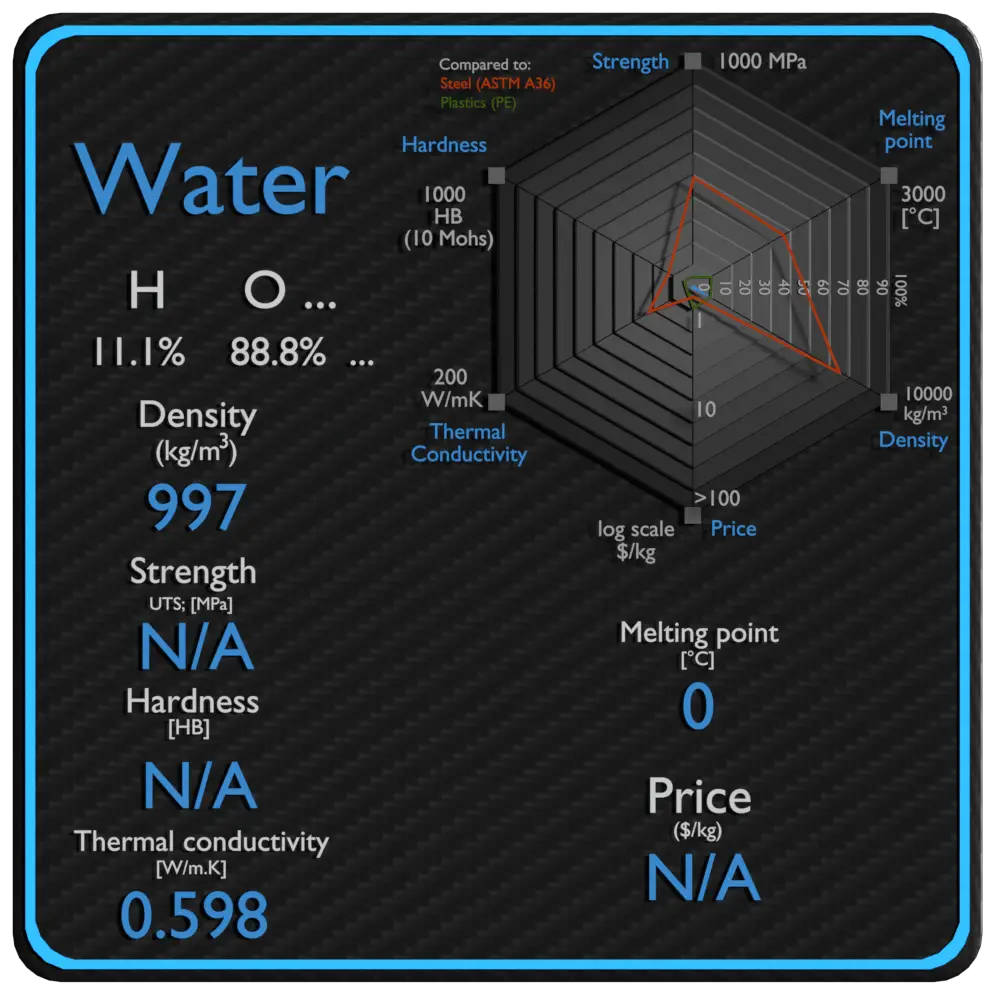
Name Water
Phase liquid
Density 997 g/cm3
Ultimate Tensile Strength N/A
Yield Strength N/A
Young’s Modulus of Elasticity N/A
Brinell Hardness N/A
Melting Point 0 °C
Thermal Conductivity 0.598 W/mK
Heat Capacity 4200 J/g K
Price N/A

Composition of Water

Chemically pure water (H2O) contains two elements – hydrogen and oxygen. But in nature such water does not exist and always contains various substances from the air or surface, such as CO2.

11.1%Hydrogen in Periodic Table

88.8%Oxygen in Periodic Table


Applications of Water

Water - Material Table - Applications - Price
Source: wikipedia.org License: CC BY-SA 3.0

Water is necessary for human survival. But it is used in industry, agriculture, chemistry and energy production. In nuclear engineering is water using as a reactor coolant, a moderator or a neutron shielding.

Thermal Properties of Water

Water – Melting Point

Melting point of Water is 0 °C.

Note that, these points are associated with the standard atmospheric pressure. In general, melting is a phase change of a substance from the solid to the liquid phase. The melting point of a substance is the temperature at which this phase change occurs. The melting point also defines a condition in which the solid and liquid can exist in equilibrium. For various chemical compounds and alloys, it is difficult to define the melting point, since they are usually a mixture of various chemical elements.

Water – Thermal Conductivity

Thermal conductivity of Water is 0.598 W/(m·K).

The heat transfer characteristics of a solid material are measured by a property called the thermal conductivity, k (or λ), measured in W/m.K. It is a measure of a substance’s ability to transfer heat through a material by conduction. Note that Fourier’s law applies for all matter, regardless of its state (solid, liquid, or gas), therefore, it is also defined for liquids and gases.

The thermal conductivity of most liquids and solids varies with temperature. For vapors, it also depends upon pressure. In general:

thermal conductivity - definition

Most materials are very nearly homogeneous, therefore we can usually write k = k (T). Similar definitions are associated with thermal conductivities in the y- and z-directions (ky, kz), but for an isotropic material the thermal conductivity is independent of the direction of transfer, kx = ky = kz = k.

Water – Specific Heat

Specific heat of Water is 4200 J/g K.

Specific heat, or specific heat capacity, is a property related to internal energy that is very important in thermodynamics. The intensive properties cv and cp are defined for pure, simple compressible substances as partial derivatives of the internal energy u(T, v) and enthalpy h(T, p), respectively:

where the subscripts v and p denote the variables held fixed during differentiation. The properties cv and cp are referred to as specific heats (or heat capacities) because under certain special conditions they relate the temperature change of a system to the amount of energy added by heat transfer. Their SI units are J/kg K or J/mol K.


Melting Point of Materials

Material Table - Melting Point

Thermal Conductivity of Material

Material Table - Thermal Conductivity

Heat Capacity of Materials

Material Table - Heat Capacity


Properties and prices of other materials

material-table-in-8k-resolution

Air – Material Table – Applications – Price

About Air

Air is a mixture of nitrogen, oxygen, argon, carbon dioxide, water vapour, and other trace elements. The atmosphere of Earth is the layer of gases, commonly known as air, retained by Earth’s gravity, surrounding the planet Earth and forming its planetary atmosphere.

air properties density strength price

Summary

Name Air
Phase at STP gas
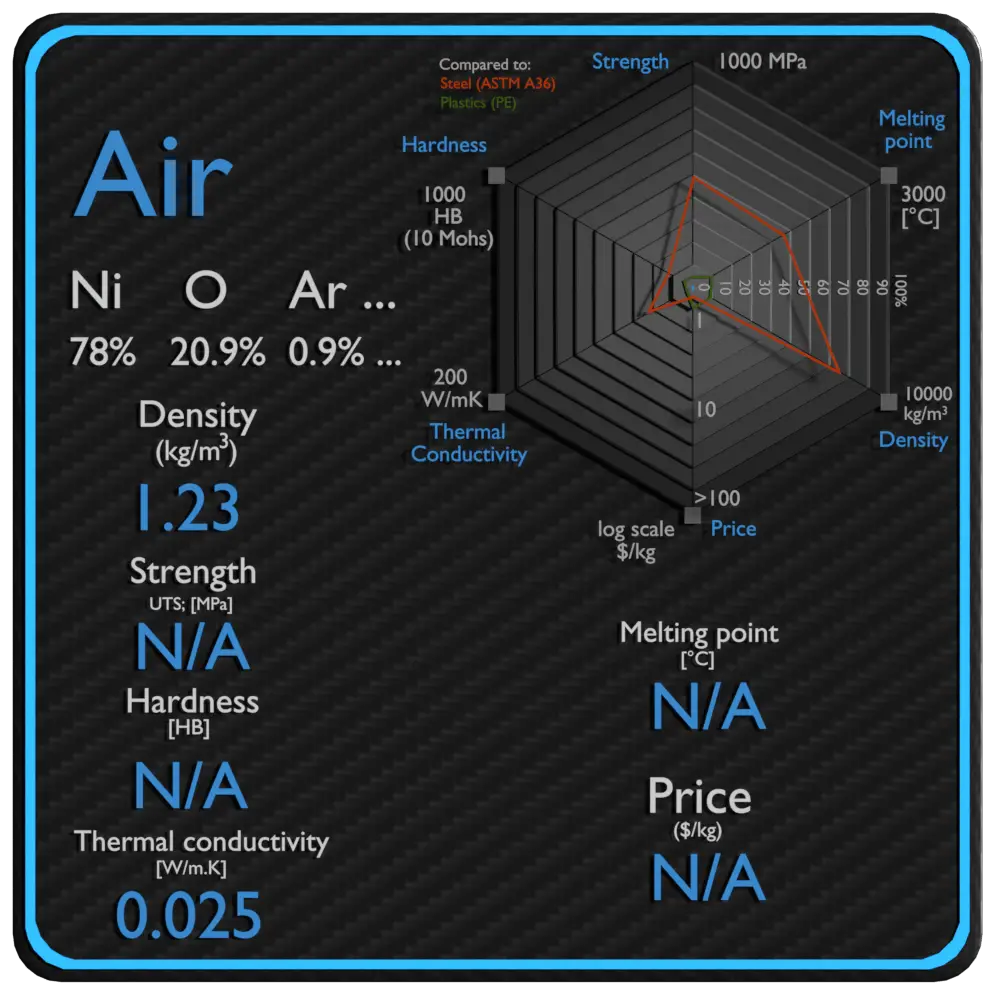
Density 1.23 kg/m3
Ultimate Tensile Strength N/A
Yield Strength N/A
Young’s Modulus of Elasticity N/A
Brinell Hardness N/A
Melting Point N/A
Thermal Conductivity 0.025 W/mK
Heat Capacity 1006 J/g K
Price N/A

Composition of Air

In engineering calculations, dry air is simplified to be a mixture of nitrogen, oxygen, and argon, and the corresponding mole fractions are 0.7812, 0.2096 and 0.0092, respectively. Air also contains a variable amount of water vapor, on average around 1% at sea level, and 0.4% over the entire atmosphere.

78%Nitrogen in Periodic Table

20.9%Oxygen in Periodic Table

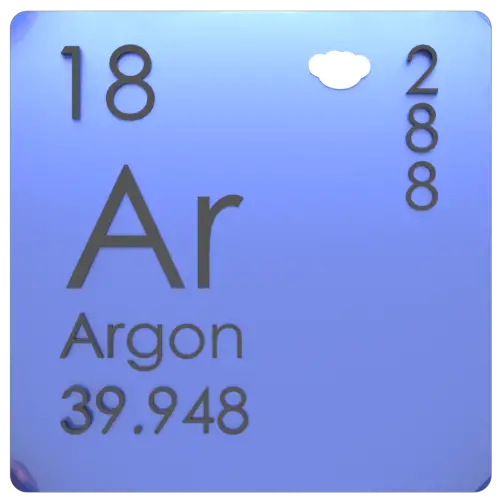
0.9%Argon in Periodic Table

Applications of Air

Air - Material Table - Application - Price
Source: wikipedia.org License: CC BY-SA 3.0

Air is a natural resource and is available abundantly. It is an essential element of nature that support life on earth. Air is equally important for living organisms for their survival just like water. Air is very useful and has many applications. Uses of air are as follows: sustain life and growth, combustion, maintaining temperature, supplier of energy, photosynthesis. Air and other gases are generally good insulators, in the absence of convection. Therefore, many insulating materials (e.g.polystyrene) function simply by having a large number of gas-filled pockets which prevent large-scale convection. Alternation of gas pocket and solid material causes that the heat must be transferred through many interfaces causing rapid decrease in heat transfer coefficient.


Strength of Materials

Material Table - Strength of Materials

Elasticity of Materials

Material Table - Elasticity of Materials

Hardness of Materials

Material Table - Hardness of Materials  

Thermal Properties of Air

Air – Melting Point and Boiling Point

Melting point of Air is N/A.

Boiling point of Air is N/A.

Note that, these points are associated with the standard atmospheric pressure.

Air – Thermal Conductivity

Thermal conductivity of Air is 0.025 W/(m·K).

The heat transfer characteristics of a solid material are measured by a property called the thermal conductivity, k (or λ), measured in W/m.K. It is a measure of a substance’s ability to transfer heat through a material by conduction. Note that Fourier’s law applies for all matter, regardless of its state (solid, liquid, or gas), therefore, it is also defined for liquids and gases.

Coefficient of Thermal Expansion of Air

Linear thermal expansion coefficient of Air is N/A.

Thermal expansion is generally the tendency of matter to change its dimensions in response to a change in temperature. It is usually expressed as a fractional change in length or volume per unit temperature change.

Air – Specific Heat, Latent Heat of Fusion, Latent Heat of Vaporization

Specific heat of Air is 1006 J/g K.

Heat capacity is an extensive property of matter, meaning it is proportional to the size of the system. Heat capacity C has the unit of energy per degree or energy per kelvin. When expressing the same phenomenon as an intensive property, the heat capacity is divided by the amount of substance, mass, or volume, thus the quantity is independent of the size or extent of the sample.

Latent Heat of Fusion of Air is N/A.

Latent Heat of Vaporization of Air is N/A.

Latent heat is the amount of heat added to or removed from a substance to produce a change in phase. This energy breaks down the intermolecular attractive forces, and also must provide the energy necessary to expand the gas (the pΔV work). When latent heat is added, no temperature change occurs. The enthalpy of vaporization is a function of the pressure at which that transformation takes place.

Melting Point of Materials

Material Table - Melting Point

Thermal Conductivity of Materials

Material Table - Thermal Conductivity

Heat Capacity of Materials

Material Table - Heat Capacity

Properties and prices of other materials

material-table-in-8k-resolution
Tungsten Carbide – Material Table – Applications – Price

About Tungsten Carbide

Tungsten Carbide is a very dense carbide containing equal parts of tungsten and carbon atoms. In its most basic form, tungsten carbide is a fine gray powder, but it can be pressed and formed into shapes through a process called sintering for use in industrial machinery, cutting tools, abrasives, armor-piercing shells and jewellery. Tungsten carbide is approximately twice as stiff (high modulus of elasticity) as steel. Tungsten carbide has very high impact resistance and it has very high strength for a material so hard and rigid. Compressive strength is higher than virtually all melted and cast or forged metals and alloys. With temperature increase to 1400°F, tungsten carbide retains much of its room temperature hardness.

tungsten carbide properties density strength price

Summary

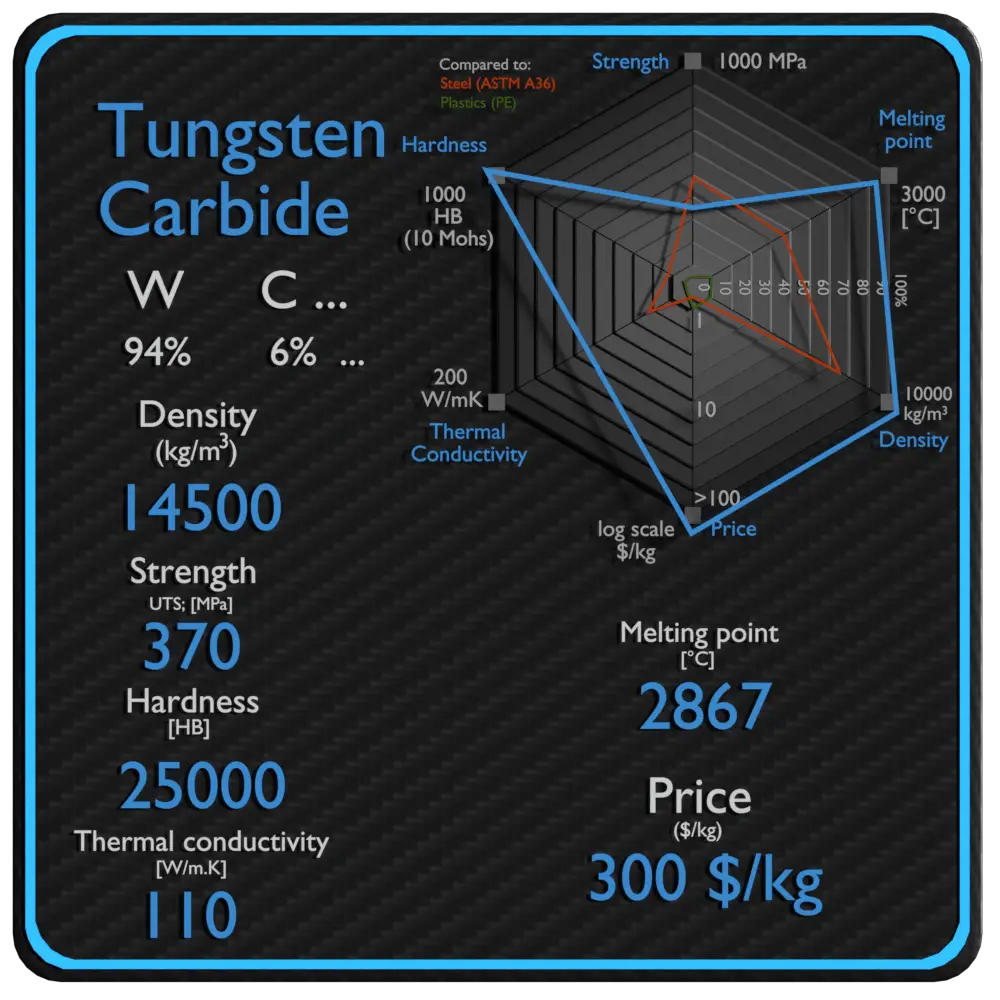
Name Tungsten Carbide
Phase at STP solid
Density 14500 kg/m3
Ultimate Tensile Strength 370 MPa
Yield Strength 330 MPa
Young’s Modulus of Elasticity 600 GPa
Brinell Hardness 25000 BHN
Melting Point 2867 °C
Thermal Conductivity 110 W/mK
Heat Capacity 292 J/g K
Price 300 $/kg

Composition of Tungsten Carbide

Tungsten Carbide is prepared by reaction of tungsten metal and carbon at 1400–2000 °C. Powdered tungsten carbide is mixed with another powdered metal, usually cobalt can be pressed and formed into shapes through a process called sintering. Sintering is usually carried out below the melting temperature, so that a liquid phase is normally not present. Sintering is often chosen as the shaping process for materials with extremely high melting points such as tungsten, molybdenum or uranium dioxide ceramics.

94% Tungsten in Periodic Table

6% Carbon in Periodic Table

Applications of Tungsten Carbide

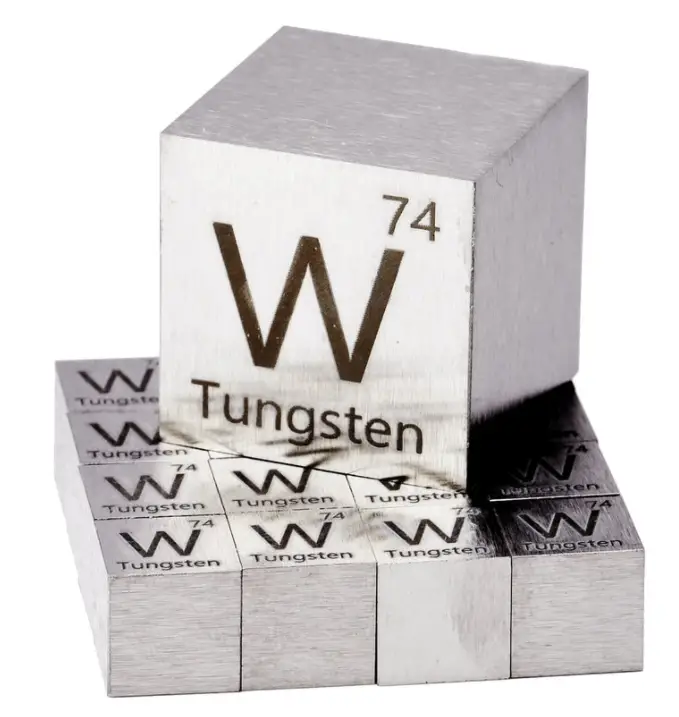
Tungsten Carbide - Material Table - Applications - Price
Source: wikipedia.org License: CC BY-SA 3.0

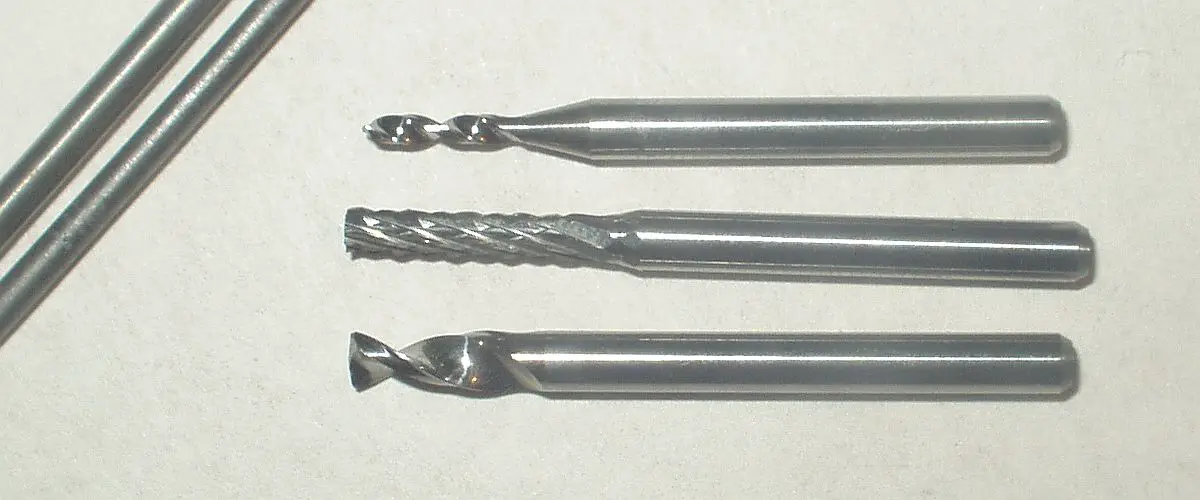
Mining and mineral processing demand wear-resistant machines and components, because the energies and masses of interacting bodies are significant. For this purposes, materials with the highest wear-resistance must be used. For example, Tungsten Carbide is used extensively in mining in top hammer rock drill bits, downhole hammers, roller-cutters, long wall plough chisels, long wall shearer picks, raiseboring reamers, and tunnel boring machines. The cemented composites of tungsten carbide-cobalt are known by many different trade names, including Widia and Carboloy.

Mechanical Properties of Tungsten Carbide

Strength of Tungsten Carbide

In mechanics of materials, the strength of a material is its ability to withstand an applied load without failure or plastic deformation. Strength of materials basically considers the relationship between the external loads applied to a material and the resulting deformation or change in material dimensions. In designing structures and machines, it is important to consider these factors, in order that the material selected will have adequate strength to resist applied loads or forces and retain its original shape.

Strength of a material is its ability to withstand this applied load without failure or plastic deformation. For tensile stress, the capacity of a material or structure to withstand loads tending to elongate is known as ultimate tensile strength (UTS). Yield strength or yield stress is the material property defined as the stress at which a material begins to deform plastically whereas yield point is the point where nonlinear (elastic + plastic) deformation begins. In case of tensional stress of a uniform bar (stress-strain curve), the Hooke’s law describes behaviour of a bar in the elastic region. The Young’s modulus of elasticity is the elastic modulus for tensile and compressive stress in the linear elasticity regime of a uniaxial deformation and is usually assessed by tensile tests.

See also: Strength of Materials

Ultimate Tensile Strength of Tungsten Carbide

Ultimate tensile strength of Tungsten Carbide is 370 MPa.

Yield Strength of Tungsten Carbide

Yield strength of Tungsten Carbide is 330 MPa.

Modulus of Elasticity of Tungsten carbide

The Young’s modulus of elasticity of Tungsten Carbide is 600 MPa.

Hardness of Tungsten Carbide

In materials science, hardness is the ability to withstand surface indentation (localized plastic deformation) and scratching. Brinell hardness test is one of indentation hardness tests, that has been developed for hardness testing. In Brinell tests, a hard, spherical indenter is forced under a specific load into the surface of the metal to be tested.

The Brinell hardness number (HB) is the load divided by the surface area of the indentation. The diameter of the impression is measured with a microscope with a superimposed scale. The Brinell hardness number is computed from the equation:

brinell hardness number - definition

Brinell hardness of Tungsten Carbide is approximately 25000 BHN (converted).

See also: Hardness of Materials

Strength of Materials

Material Table - Strength of Materials

Elasticity of Materials

Material Table - Elasticity of Materials

Hardness of Materials

Material Table - Hardness of Materials  

Thermal Properties of Tungsten Carbide

Tungsten Carbide – Melting Point

Melting point of Tungsten Carbide is 2867 °C.

Note that, these points are associated with the standard atmospheric pressure. In general, melting is a phase change of a substance from the solid to the liquid phase. The melting point of a substance is the temperature at which this phase change occurs. The melting point also defines a condition in which the solid and liquid can exist in equilibrium. For various chemical compounds and alloys, it is difficult to define the melting point, since they are usually a mixture of various chemical elements.

Tungsten Carbide – Thermal Conductivity

Thermal conductivity of Tungsten Carbide is 110 W/(m·K).

The heat transfer characteristics of a solid material are measured by a property called the thermal conductivity, k (or λ), measured in W/m.K. It is a measure of a substance’s ability to transfer heat through a material by conduction. Note that Fourier’s law applies for all matter, regardless of its state (solid, liquid, or gas), therefore, it is also defined for liquids and gases.

The thermal conductivity of most liquids and solids varies with temperature. For vapors, it also depends upon pressure. In general:

thermal conductivity - definition

Most materials are very nearly homogeneous, therefore we can usually write k = k (T). Similar definitions are associated with thermal conductivities in the y- and z-directions (ky, kz), but for an isotropic material the thermal conductivity is independent of the direction of transfer, kx = ky = kz = k.

Tungsten Carbide – Specific Heat

Specific heat of Tungsten Carbide is 292 J/g K.

Specific heat, or specific heat capacity, is a property related to internal energy that is very important in thermodynamics. The intensive properties cv and cp are defined for pure, simple compressible substances as partial derivatives of the internal energy u(T, v) and enthalpy h(T, p), respectively:

where the subscripts v and p denote the variables held fixed during differentiation. The properties cv and cp are referred to as specific heats (or heat capacities) because under certain special conditions they relate the temperature change of a system to the amount of energy added by heat transfer. Their SI units are J/kg K or J/mol K.

Melting Point of Materials

Material Table - Melting Point

Thermal Conductivity of Materials

Material Table - Thermal Conductivity

Heat Capacity of Materials

Material Table - Heat Capacity

Properties and prices of other materials

material-table-in-8k-resolution
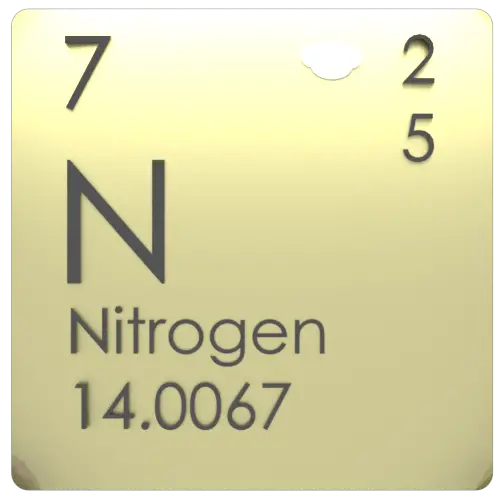
Lanthanum and Cerium – Comparison – Properties

This article contains comparison of key thermal and atomic properties of lanthanum and cerium, two comparable chemical elements from the periodic table. It also contains basic descriptions and applications of both elements. Lanthanum vs Cerium.

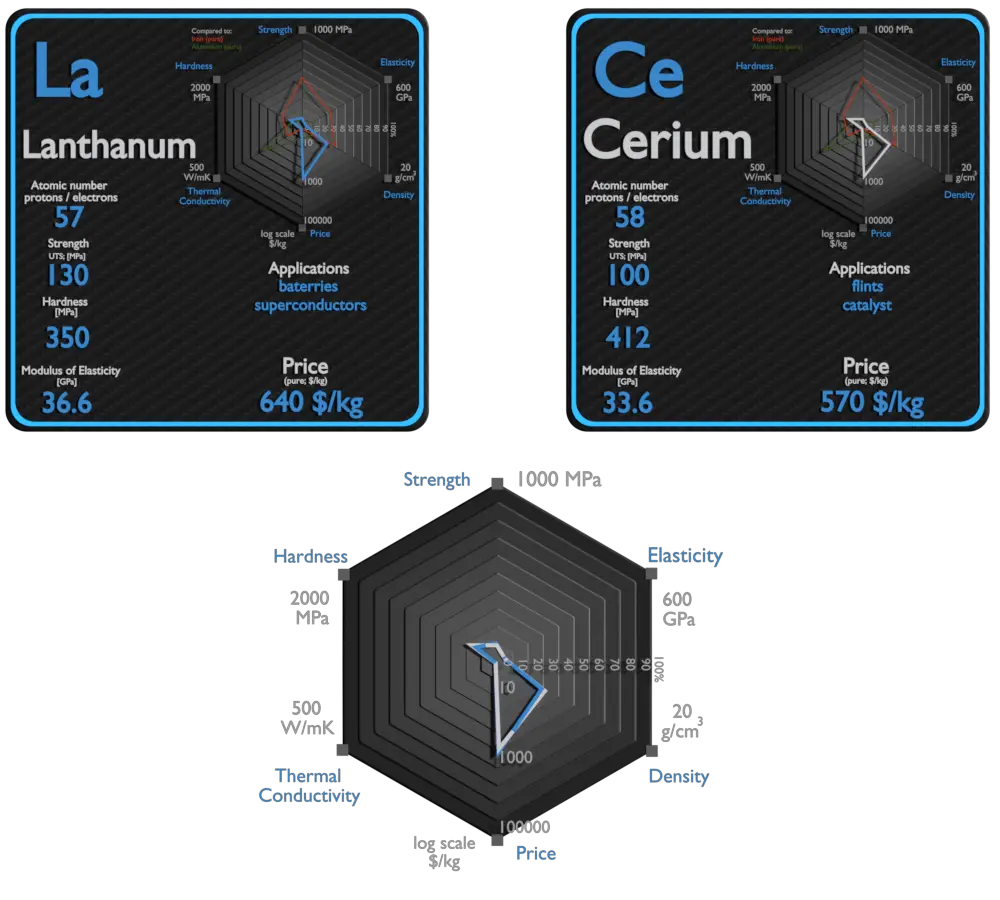
lanthanum and cerium - comparison

Compare lanthanum with another element

Cerium - Properties - Price - Applications - Production

Compare cerium with another element

Lanthanum - Properties - Price - Applications - Production

Samarium - Properties - Price - Applications - Production

Lanthanum and Cerium – About Elements

Lanthanum

Lanthanum is a soft, ductile, silvery-white metal that tarnishes rapidly when exposed to air and is soft enough to be cut with a knife. It is the eponym of the lanthanide series, a group of 15 similar elements between lanthanum and lutetium in the periodic table, of which lanthanum is the first and the prototype. It is also sometimes considered the first element of the 6th-period transition metals and is traditionally counted among the rare earth elements.
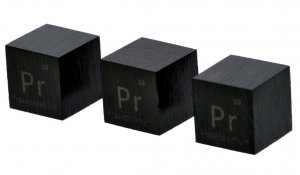
Cerium

Cerium is a soft, ductile and silvery-white metal that tarnishes when exposed to air, and it is soft enough to be cut with a knife. Cerium is the second element in the lanthanide series. Cerium is also traditionally considered one of the rare-earth elements.

Lanthanum in Periodic Table

Cerium in Periodic Table

Source: www.luciteria.com

Lanthanum and Cerium – Applications

Lanthanum

Lanthanum is not extensively used metal. However, its alloys have a variety of interesting uses. A lanthanum-nickel alloy is used to store hydrogen gas for use in hydrogen-powered vehicles. Lanthanum is also found in the anode of nickel metal hydride batteries (NiMH) used in hybrid cars. Lanthanum is an important component of mischmetal alloy. A typical composition includes approximately 55% cerium, 25% lanthanum, and 15-18% neodymium with other rare earth metals following. The best-known use for this alloy is in ‘flints’ for cigarette lighters.

Cerium

Cerium is an important component of mischmetal alloy. Ferrocerium is a synthetic pyrophoric alloy that produces hot sparks that can reach temperatures of 3,000 °C (5,430 °F) when rapidly oxidized by the process of striking the rod, thereby fragmenting it and exposing those fragments to the oxygen in the air. A typical composition includes approximately 55% cerium, 25% lanthanum, and 15-18% neodymium with other rare earth metals following. The best-known use for this alloy is in ‘flints’ for cigarette lighters. Ceria is the most widely used compound of cerium. The main application of ceria is as a polishing compound, for example in chemical-mechanical planarization (CMP).

Lanthanum and Cerium – Comparison in Table

Element Lanthanum Cerium
Density 6.146 g/cm 6.689 g/cm3
Ultimate Tensile Strength 130 MPa 100 MPa
Yield Strength 125 MPa 90 MPa
Young’s Modulus of Elasticity 36.6 GPa 33.6 GPa
Mohs Scale 2.5 2.5
Brinell Hardness 350 MPa 412 MPa
Vickers Hardness 360 MPa 300 MPa
Melting Point 920 °C 798 °C
Boiling Point 3454 °C 3457 °C
Thermal Conductivity 13 W/mK 11 W/mK
Thermal Expansion Coefficient 12.1 µm/mK 6.3 µm/mK
Specific Heat 0.19 J/g K 0.19 J/g K
Heat of Fusion 6.2 kJ/mol 5.46 kJ/mol
Heat of Vaporization 414 kJ/mol 414 kJ/mol


Iodine and Caesium – Comparison – Properties

This article contains comparison of key thermal and atomic properties of iodine and caesium, two comparable chemical elements from the periodic table. It also contains basic descriptions and applications of both elements. Iodine vs Caesium.

iodine and caesium - comparison

Compare iodine with another element

Chlorine - Properties - Price - Applications - Production

Selenium - Properties - Price - Applications - Production

Bromine - Properties - Price - Applications - Production

Rubidium - Properties - Price - Applications - Production

Strontium - Properties - Price - Applications - Production

Mercury - Properties - Price - Applications - Production

Caesium - Properties - Price - Applications - Production

Compare caesium with another element

Chlorine - Properties - Price - Applications - Production

Rubidium - Properties - Price - Applications - Production

Iodine - Properties - Price - Applications - Production

Iodine and Caesium – About Elements

Iodine

Iodine is the heaviest of the stable halogens, it exists as a lustrous, purple-black metallic solid at standard conditions that sublimes readily to form a violet gas. Iodine is the least abundant of the stable halogens, being the sixty-first most abundant element. It is even less abundant than the so-called rare earths. It is the heaviest essential mineral nutrient.

Caesium

Caesium is a soft, silvery-gold alkali metal with a melting point of 28.5 °C, which makes it one of only five elemental metals that are liquid at or near room temperature. Caesium has physical and chemical properties similar to those of rubidium and potassium.

Iodine in Periodic Table

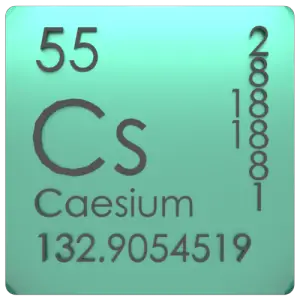
Caesium in Periodic Table

Source: www.luciteria.com

Iodine and Caesium – Applications

Iodine

In addition to nutrition products, iodine and iodine derivatives are used in a wide range of medical, agricultural, and industrial applications. About half of all produced iodine goes into various organoiodine compounds, another 15% remains as the pure element, another 15% is used to form potassium iodide, and another 15% for other inorganic iodine compounds. The leading application is in the production of X-ray contrast media (22%). Iodine’s high atomic number and density make it ideally suited for this application, as its presence in the body can help to increase contrast between tissues, organs, and blood vessels with similar X-ray densities. It is used as an antiseptic for external wounds. Another application driving the demand for iodine is in polarizing film in liquidcrystal display (LCD) screens.

Caesium

The largest present-day use of nonradioactive caesium is in caesium formate drilling fluids for the extractive oil industry. They are also used to make special optical glass, as a catalyst promoter, in vacuum tubes and in radiation monitoring equipment. One of its most important uses is in the ‘caesium clock’ (atomic clock). These clocks are a vital part of the internetand mobile phone networks, as well as Global Positioning System (GPS) satellites. Caesium-137 is a radioisotope commonly used as a gamma-emitter in industrial applications.

Iodine and Caesium – Comparison in Table

Element Iodine Caesium
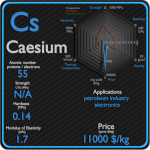
Density 4.94 g/cm 1.879 g/cm3
Ultimate Tensile Strength N/A N/A
Yield Strength N/A N/A
Young’s Modulus of Elasticity N/A 1.7 GPa
Mohs Scale N/A 0.2
Brinell Hardness N/A 0.14 MPa
Vickers Hardness N/A N/A
Melting Point 113.5 °C 28.4 °C
Boiling Point 184 °C 669 °C
Thermal Conductivity 0.449 W/mK 36 W/mK
Thermal Expansion Coefficient N/A 97 µm/mK
Specific Heat 0.214 J/g K 0.24 J/g K
Heat of Fusion 7.824 kJ/mol 2.092 kJ/mol
Heat of Vaporization 20.752 kJ/mol 67.74 kJ/mol


Iodine and Mercury – Comparison – Properties

This article contains comparison of key thermal and atomic properties of iodine and mercury, two comparable chemical elements from the periodic table. It also contains basic descriptions and applications of both elements. Iodine vs Mercury.

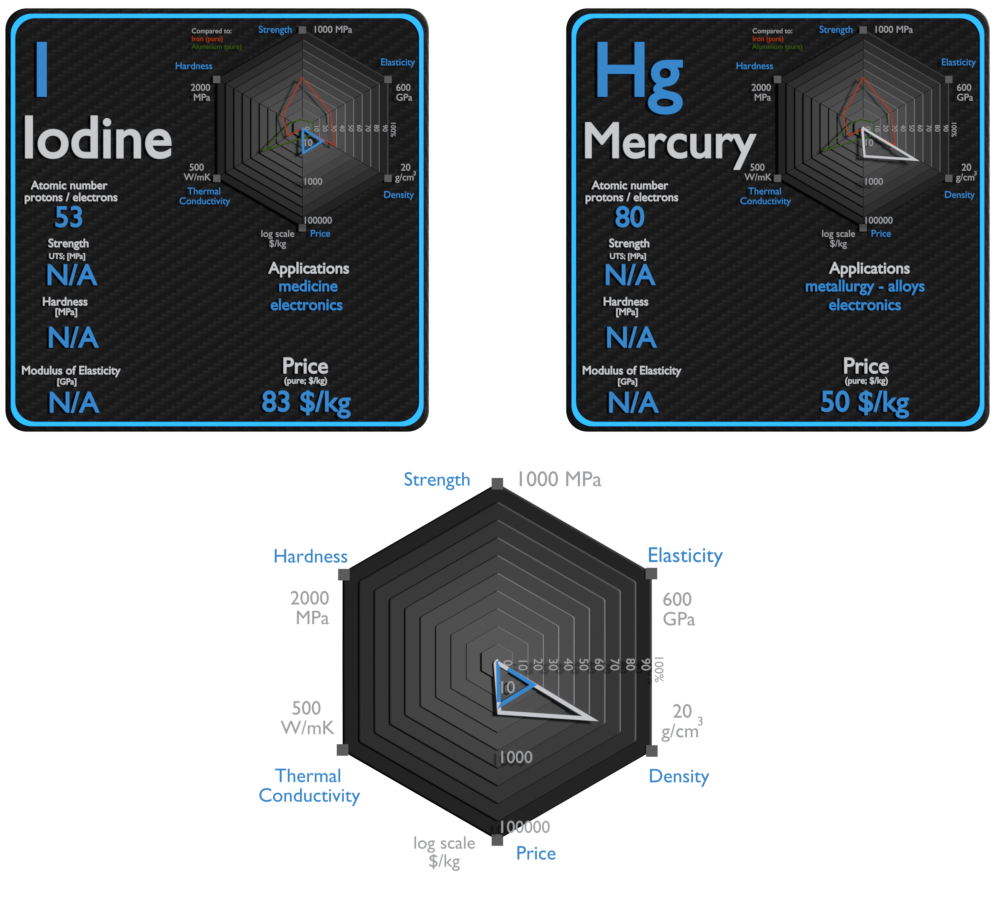
iodine and mercury - comparison

Compare iodine with another element

Chlorine - Properties - Price - Applications - Production

Selenium - Properties - Price - Applications - Production

Bromine - Properties - Price - Applications - Production

Rubidium - Properties - Price - Applications - Production

Strontium - Properties - Price - Applications - Production

Mercury - Properties - Price - Applications - Production

Caesium - Properties - Price - Applications - Production

Compare mercury with another element

Aluminium - Properties - Price - Applications - Production

Iodine - Properties - Price - Applications - Production

Lead - Properties - Price - Applications - Production

Iodine and Mercury – About Elements

Iodine

Iodine is the heaviest of the stable halogens, it exists as a lustrous, purple-black metallic solid at standard conditions that sublimes readily to form a violet gas. Iodine is the least abundant of the stable halogens, being the sixty-first most abundant element. It is even less abundant than the so-called rare earths. It is the heaviest essential mineral nutrient.

Mercury

Mercury is commonly known as quicksilver and was formerly named hydrargyrum. Mercury is a heavy, silvery d-block element, mercury is the only metallic element that is liquid at standard conditions for temperature and pressure.

Iodine in Periodic Table

Mercury in Periodic Table

Source: www.luciteria.com

Iodine and Mercury – Applications

Iodine

In addition to nutrition products, iodine and iodine derivatives are used in a wide range of medical, agricultural, and industrial applications. About half of all produced iodine goes into various organoiodine compounds, another 15% remains as the pure element, another 15% is used to form potassium iodide, and another 15% for other inorganic iodine compounds. The leading application is in the production of X-ray contrast media (22%). Iodine’s high atomic number and density make it ideally suited for this application, as its presence in the body can help to increase contrast between tissues, organs, and blood vessels with similar X-ray densities. It is used as an antiseptic for external wounds. Another application driving the demand for iodine is in polarizing film in liquidcrystal display (LCD) screens.

Mercury

Mercury is used primarily for the manufacture of industrial chemicals or for electrical and electronic applications. However, because of its toxicity, many uses of mercury are being phased out or are under review. It is used in some thermometers, especially ones which are used to measure high temperatures. Mercury easily forms alloys, called amalgams, with other metals such as gold, silver and tin. The ease with which it amalgamates with gold made it useful in recovering gold from its ores. Mercury amalgams were also used in dental fillings. Gaseous mercury is used in mercury-vapor lamps and some “neon sign” type advertising signs and fluorescent lamps.

Iodine and Mercury – Comparison in Table

Element Iodine Mercury
Density 4.94 g/cm3 13.534 g/cm3
Ultimate Tensile Strength N/A N/A
Yield Strength N/A N/A
Young’s Modulus of Elasticity N/A N/A
Mohs Scale N/A N/A
Brinell Hardness N/A N/A
Vickers Hardness N/A N/A
Melting Point 113.5 °C -38.9 °C
Boiling Point 184 °C 357 °C
Thermal Conductivity 0.449 W/mK 8.3 W/mK
Thermal Expansion Coefficient N/A 60.4 µm/mK
Specific Heat 0.214 J/g K 0.139 J/g K
Heat of Fusion 7.824 kJ/mol 2.295 kJ/mol
Heat of Vaporization 20.752 kJ/mol 59.229 kJ/mol


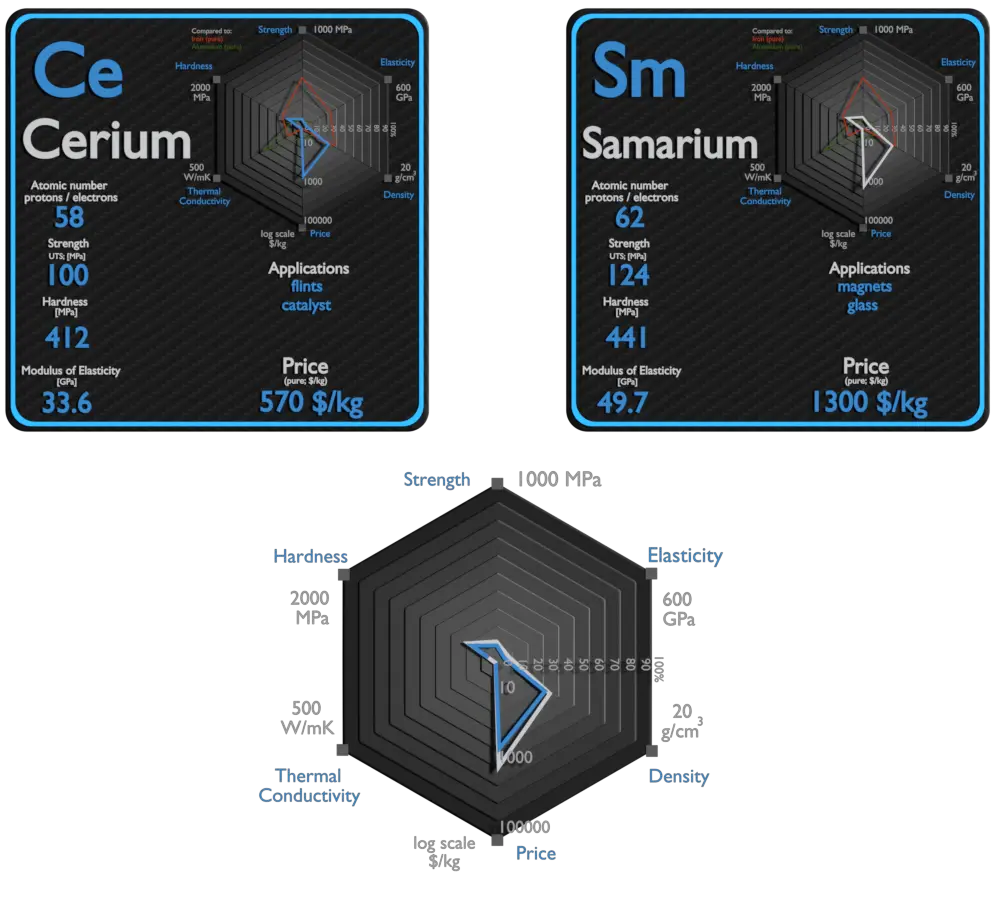
Cerium and Samarium – Comparison – Properties

This article contains comparison of key thermal and atomic properties of cerium and samarium, two comparable chemical elements from the periodic table. It also contains basic descriptions and applications of both elements. Cerium vs Samarium.

cerium and samarium - comparison

Compare cerium with another element

Lanthanum - Properties - Price - Applications - Production

Samarium - Properties - Price - Applications - Production

Compare samarium with another element

Cobalt - Properties - Price - Applications - Production

Cerium - Properties - Price - Applications - Production

Cerium and Samarium – About Elements

Cerium

Cerium is a soft, ductile and silvery-white metal that tarnishes when exposed to air, and it is soft enough to be cut with a knife. Cerium is the second element in the lanthanide series. Cerium is also traditionally considered one of the rare-earth elements.

Samarium

Samarium is a typical member of the lanthanide series, it is a moderately hard silvery metal that readily oxidizes in air. The name samarium is after the mineral samarskite from which it was isolated. Although classified as a rare earth element, samarium is the 40th most abundant element in the Earth’s crust and is more common than such metals as tin. In nuclear industry, especially natural and artificial samarium 149 has an important impact on the operation of a nuclear reactor. Samarium 149 has a very large neutron capture cross-section (about 42 000 barns). Since natural samarium contains about 14% of 149Sm, it can be used as an absorbing material in control rods.

Cerium in Periodic Table

Samarium in Periodic Table

Source: www.luciteria.com

Cerium and Samarium – Applications

Cerium

Cerium is an important component of mischmetal alloy. Ferrocerium is a synthetic pyrophoric alloy that produces hot sparks that can reach temperatures of 3,000 °C (5,430 °F) when rapidly oxidized by the process of striking the rod, thereby fragmenting it and exposing those fragments to the oxygen in the air. A typical composition includes approximately 55% cerium, 25% lanthanum, and 15-18% neodymium with other rare earth metals following. The best-known use for this alloy is in ‘flints’ for cigarette lighters. Ceria is the most widely used compound of cerium. The main application of ceria is as a polishing compound, for example in chemical-mechanical planarization (CMP).

Samarium

Samarium is mainly used in preparing samarium-cobalt alloy magnets for electric guitars, small motors and headphones. Samarium-cobalt magnets are much more powerful than iron magnets. They remain magnetic at high temperatures and so are used in microwave applications. They enabled the miniaturisation of electronic devices. However, neodymium magnets are now more commonly used instead. Its oxide is used for manufacturing special infrared adsorbing glass for carbon arc-lamp electrodes. It is useful in doping calcium fluoride crystals employed in optical lasers.

Cerium and Samarium – Comparison in Table

Element Cerium Samarium
Density 6.689 g/cm3 7.353 g/cm3
Ultimate Tensile Strength 100 MPa 124 MPa
Yield Strength 90 MPa 110 MPa
Young’s Modulus of Elasticity 33.6 GPa 49.7 GPa
Mohs Scale 2.5 N/A
Brinell Hardness 412 MPa 441 MPa
Vickers Hardness 300 MPa 412 MPa
Melting Point 798 °C 1074 °C
Boiling Point 3457 °C 1900 °C
Thermal Conductivity 11 W/mK 13 W/mK
Thermal Expansion Coefficient 6.3 µm/mK 12.7 µm/mK
Specific Heat 0.19 J/g K 0.2 J/g K
Heat of Fusion 5.46 kJ/mol 8.63 kJ/mol
Heat of Vaporization 414 kJ/mol 192 kJ/mol


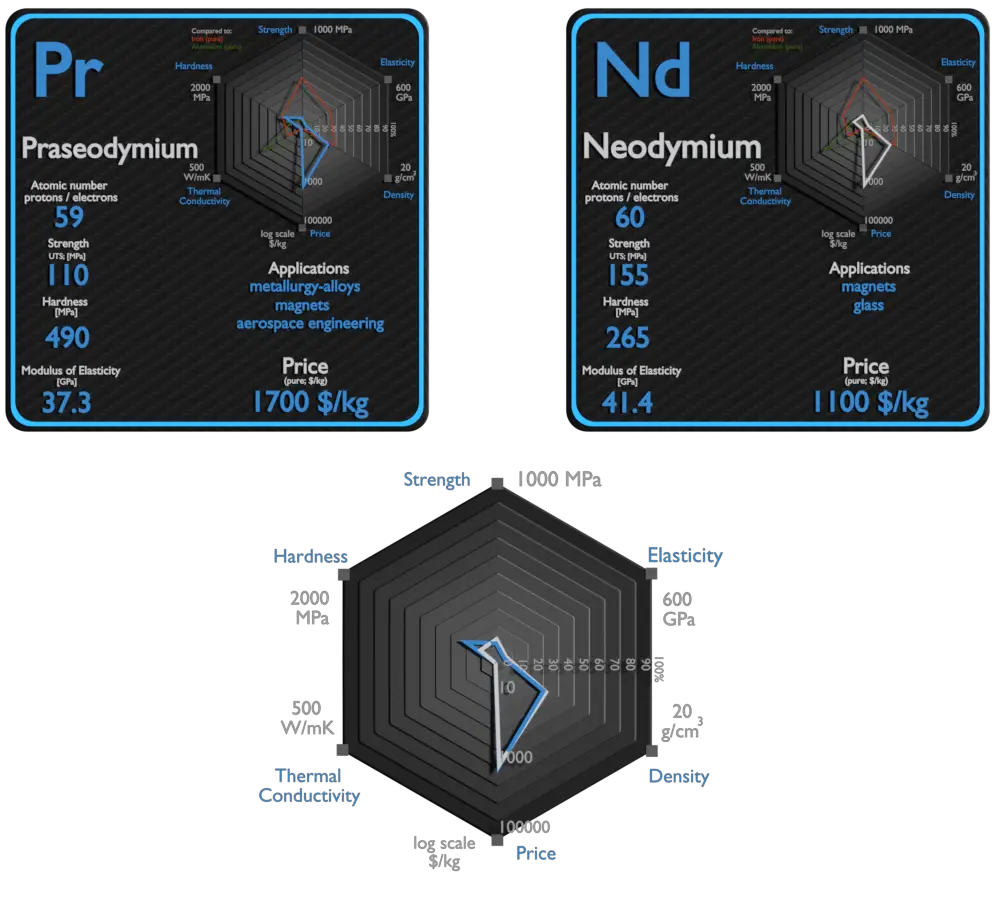
Praseodymium and Neodymium – Comparison – Properties

This article contains comparison of key thermal and atomic properties of praseodymium and neodymium, two comparable chemical elements from the periodic table. It also contains basic descriptions and applications of both elements. Praseodymium vs Neodymium.

praseodymium and neodymium - comparison

Compare praseodymium with another element

Neodymium - Properties - Price - Applications - Production

Compare neodymium with another element

Dysprosium - Properties - Price - Applications - Production

Praseodymium - Properties - Price - Applications - Production

Praseodymium and Neodymium – About Elements

Praseodymium

Praseodymium is a soft, silvery, malleable and ductile metal, valued for its magnetic, electrical, chemical, and optical properties. Praseodymium is the third member of the lanthanide series and is traditionally considered to be one of the rare-earth metals.

Neodymium

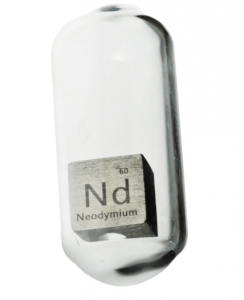
Neodymium is a soft silvery metal that tarnishes in air. Neodymium is not found naturally in metallic form or unmixed with other lanthanides, and it is usually refined for general use. Although neodymium is classed as a rare earth, it is a fairly common element.

Praseodymium in Periodic Table

Neodymium in Periodic Table

Source: www.luciteria.com

Praseodymium and Neodymium – Applications

Praseodymium

Praseodymium is used in a variety of alloys. The high-strength alloy it forms with magnesium is used in aircraft engines. Mischmetal is an alloy containing about 5% praseodymium and is used to make flints for cigarette lighters. In combination with neodymium, another rare-earth element, praseodymium is used to create high-power magnets notable for their strength and durability. Praseodymium compounds give glasses and enamels a yellow color.

Neodymium

The most important use for neodymium is in an alloy with iron and boron to make very strong permanent magnets. These magnets are widely used in such products as microphones, professional loudspeakers, in-ear headphones, high performance hobby DC electric motors, and computer hard disks, where low magnet mass (or volume) or strong magnetic fields are required. Larger neodymium magnets are used in high-power-versus-weight electric motors (for example in hybrid cars) and generators (for example aircraft and wind turbine electric generators). Neodymium is a component, along with praseodymium, of didymium glass. This is a special glass for goggles used during glass blowing and welding. The element colours glass delicate shades of violet, wine-red and grey. Neodymium is also used in the glass for tanning booths, since it transmits the tanning UV rays but not the heating infrared rays.

Praseodymium and Neodymium – Comparison in Table

Element Praseodymium Neodymium
Density 6.64 g/cm3 7.01 g/cm3
Ultimate Tensile Strength 110 MPa 155 MPa
Yield Strength 103 MPa 150 MPa
Young’s Modulus of Elasticity 37.3 GPa 41.4 GPa
Mohs Scale N/A N/A
Brinell Hardness 490 MPa 265 MPa
Vickers Hardness 400 MPa 360 MPa
Melting Point 931 °C 1016 °C
Boiling Point 3130 °C 3074 °C
Thermal Conductivity 13 W/mK 17 W/mK
Thermal Expansion Coefficient 6.7 µm/mK 9.6 µm/mK
Specific Heat 0.19 J/g K 0.19 J/g K
Heat of Fusion 6.89 kJ/mol 7.14 kJ/mol
Heat of Vaporization 296.8 kJ/mol 273 kJ/mol


Samarium and Cobalt – Comparison – Properties

This article contains comparison of key thermal and atomic properties of samarium and cobalt, two comparable chemical elements from the periodic table. It also contains basic descriptions and applications of both elements. Samarium vs Cobalt.

samarium and cobalt - comparison

Compare samarium with another element

Cobalt - Properties - Price - Applications - Production

Cerium - Properties - Price - Applications - Production

Compare cobalt with another element

Lithium - Properties - Price - Applications - Production

Iron - Properties - Price - Applications - Production

Copper - Properties - Price - Applications - Production

Cobalt - Properties - Price - Applications - Production

Cadmium - Properties - Price - Applications - Production

Zinc - Properties - Price - Applications - Production

Silver - Properties - Price - Applications - Production

Gold - Properties - Price - Applications - Production

Tungsten - Properties - Price - Applications - Production

Samarium and Cobalt – About Elements

Samarium

Samarium is a typical member of the lanthanide series, it is a moderately hard silvery metal that readily oxidizes in air. The name samarium is after the mineral samarskite from which it was isolated. Although classified as a rare earth element, samarium is the 40th most abundant element in the Earth’s crust and is more common than such metals as tin. In nuclear industry, especially natural and artificial samarium 149 has an important impact on the operation of a nuclear reactor. Samarium 149 has a very large neutron capture cross-section (about 42 000 barns). Since natural samarium contains about 14% of 149Sm, it can be used as an absorbing material in control rods.

Cobalt

Cobalt is found in the Earth’s crust only in chemically combined form, save for small deposits found in alloys of natural meteoric iron. The free element, produced by reductive smelting, is a hard, lustrous, silver-gray metal.

Samarium in Periodic Table

Cobalt in Periodic Table

Source: www.luciteria.com

Samarium and Cobalt – Applications

Samarium

Samarium is mainly used in preparing samarium-cobalt alloy magnets for electric guitars, small motors and headphones. Samarium-cobalt magnets are much more powerful than iron magnets. They remain magnetic at high temperatures and so are used in microwave applications. They enabled the miniaturisation of electronic devices. However, neodymium magnets are now more commonly used instead. Its oxide is used for manufacturing special infrared adsorbing glass for carbon arc-lamp electrodes. It is useful in doping calcium fluoride crystals employed in optical lasers.

Cobalt

Cobalt has been used in many industrial, commercial, and military applications. Cobalt is primarily used in lithium-ion batteries, and in the manufacture of magnetic, wear-resistant and high-strength alloys. Cobalt-based Superalloys. This class of alloys is relatively new. In 2006, Sato et al. discovered a new phase in the Co–Al–W system. Unlike other superalloys, cobalt-base alloys are characterized by a solid-solution-strengthened austenitic (fcc) matrix in which a small quantity of carbide is distributed. While not used commercially to the extent of Ni-based superalloys, alloying elements found in research Co-based alloys are C, Cr, W, Ni, Ti, Al, Ir, and Ta. They possess better weldability and thermal fatigue resistance as compared to nickel based alloy. Moreover, they have excellent corrosion resistance at high temperatures (980-1100 °C) because of their higher chromium contents. Several cobalt compounds are oxidation catalysts. Typical catalysts are the cobalt carboxylates (known as cobalt soaps). They are also used in paints, varnishes, and inks as “drying agents” through the oxidation of drying oils.

Samarium and Cobalt – Comparison in Table

Element Samarium Cobalt
Density 7.353 g/cm3 8.9 g/cm3
Ultimate Tensile Strength 124 MPa 900 MPa
Yield Strength 110 MPa 220 MPa
Young’s Modulus of Elasticity 49.7 GPa 209 GPa
Mohs Scale N/A 5
Brinell Hardness 441 MPa 800 MPa
Vickers Hardness 412 MPa 1040 MPa
Melting Point 1074 °C 1495 °C
Boiling Point 1900 °C 2927 °C
Thermal Conductivity 19 W/mK 100 W/mK
Thermal Expansion Coefficient 12.7 µm/mK 14 µm/mK
Specific Heat 0.2 J/g K 0.42 J/g K
Heat of Fusion 8.63 kJ/mol 16.19 kJ/mol
Heat of Vaporization 192 kJ/mol 376.5 kJ/mol