Facebook Instagram Youtube Twitter

Lithium and Cadmium – Comparison – Properties

This article contains comparison of key thermal and atomic properties of lithium and cadmium, two comparable chemical elements from the periodic table. It also contains basic descriptions and applications of both elements. Lithium vs Cadmium.
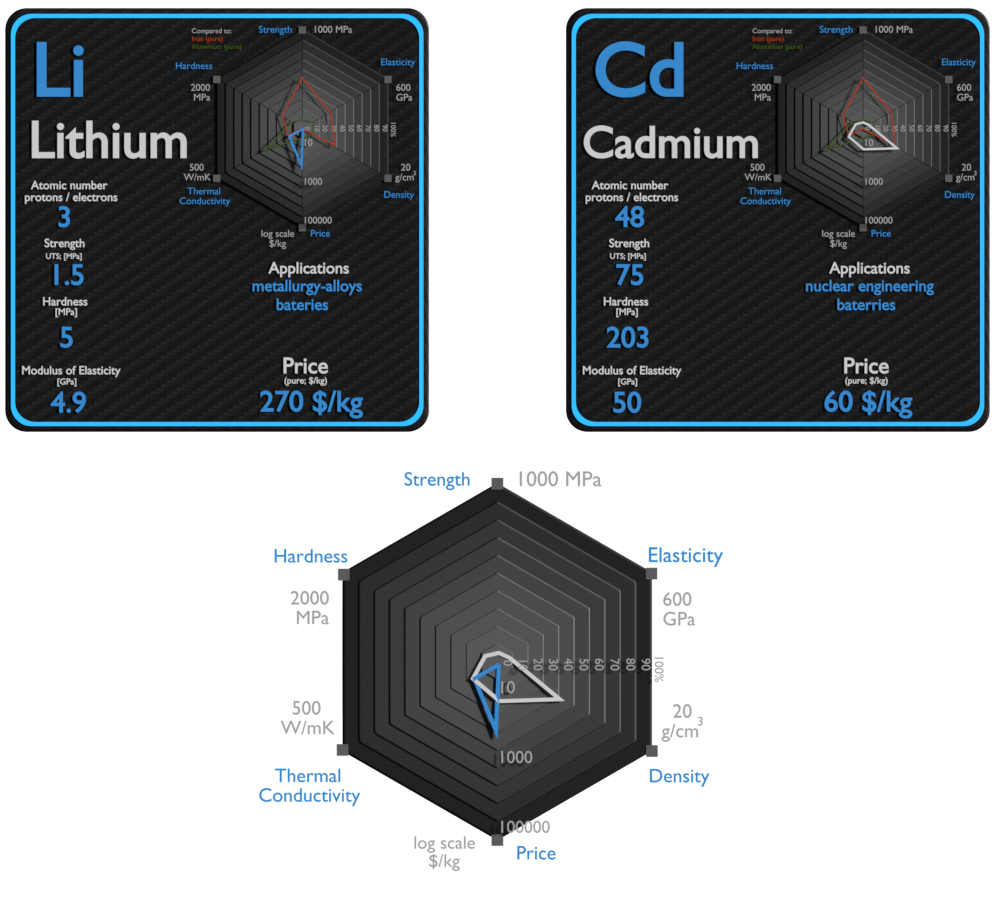
lithium and cadmium - comparison

Compare lithium with another element

Hydrogen - Properties - Price - Applications - Production

Oxygen - Properties - Price - Applications - Production

Aluminium - Properties - Price - Applications - Production

Nitrogen - Properties - Price - Applications - Production

Sodium - Properties - Price - Applications - Production

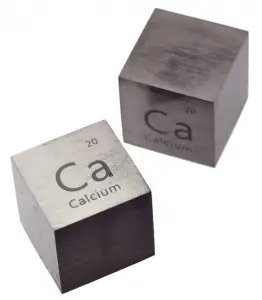
Calcium - Properties - Price - Applications - Production

Silicon - Properties - Price - Applications - Production

Cadmium - Properties - Price - Applications - Production

Cobalt - Properties - Price - Applications - Production

Magnesium - Properties - Price - Applications - Production

Phosphorus - Properties - Price - Applications - Production

Potassium - Properties - Price - Applications - Production

Sulfur - Properties - Price - Applications - Production

Compare cadmium with another element

Lithium - Properties - Price - Applications - Production

Cobalt - Properties - Price - Applications - Production

Arsenic - Properties - Price - Applications - Production

Lead - Properties - Price - Applications - Production

Lithium and Cadmium – About Elements
Lithium

It is a soft, silvery-white alkali metal. Under standard conditions, it is the lightest metal and the lightest solid element. Like all alkali metals, lithium is highly reactive and flammable, and is stored in mineral oil.

Cadmium

Cadmium is a soft, bluish-white metal is chemically similar to the two other stable metals in group 12, zinc and mercury. In nuclear industry cadmium is commonly used as a thermal neutron absorber due to very high neutron absorption cross-section of 113Cd. 113Cd has specific absorption cross-section.

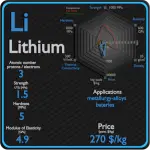
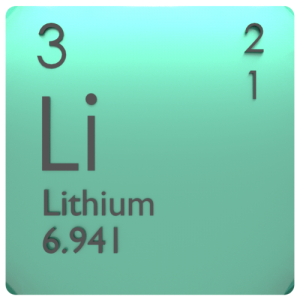
Lithium in Periodic Table

Cadmium in Periodic Table

Source: www.luciteria.com

Lithium and Cadmium – Applications

Lithium

Lithium has many applications, from lubricating grease, alloying additions in particular for aluminium and magnesium alloys, to glazes for ceramics, and finally, lithium batteries. In particular, lithium is and will continue to play an increasingly important role in the battery-powered clean air future. Lithium batteries are widely used in portable consumer electronic devices, and in electric vehicles ranging from full sized vehicles to radio controlled toys. The term “lithium battery” refers to a family of different lithium-metal chemistries, comprising many types of cathodes and electrolytes but all with metallic lithium as the anode.

Cadmium

Cadmium is primarily consumed for the production of rechargeable nickel cadmium batteries. In 2009, 86% of cadmium was used in batteries, predominantly in rechargeable nickel-cadmium batteries. Other end uses include pigments, coatings and plating, and as stabilizers for plastics. Solar cell manufacturing may become another significant market for cadmium in the future. In nuclear industry cadmium is commonly used as a thermal neutron absorber due to very high neutron absorption cross-section of 113Cd. 113Cd has specific absorption cross-section.

Lithium and Cadmium – Comparison in Table

Element Lithium Cadmium
Density 0.535 g/cm3 8.65 g/cm3
Ultimate Tensile Strength 1.5 MPa 75 MPa
Yield Strength N/A N/A
Young’s Modulus of Elasticity 4.9 GPa 50 GPa
Mohs Scale 0.6 2
Brinell Hardness 5 MPa 203 MPa
Vickers Hardness N/A N/A
Melting Point 180.5 °C 321.07 °C
Boiling Point 1342 °C 767 °C
Thermal Conductivity 85 W/mK 97 W/mK
Thermal Expansion Coefficient 46 µm/mK 30.8 µm/mK
Specific Heat 3.6 J/g K 0.23 J/g K
Heat of Fusion 3 kJ/mol 6.192 kJ/mol
Heat of Vaporization 145.92 kJ/mol 99.57 kJ/mol


Lithium and Calcium – Comparison – Properties

This article contains comparison of key thermal and atomic properties of lithium and calcium, two comparable chemical elements from the periodic table. It also contains basic descriptions and applications of both elements. Lithium vs Calcium.

lithium and calcium - comparison

Compare lithium with another element

Hydrogen - Properties - Price - Applications - Production

Oxygen - Properties - Price - Applications - Production

Aluminium - Properties - Price - Applications - Production

Nitrogen - Properties - Price - Applications - Production

Sodium - Properties - Price - Applications - Production

Calcium - Properties - Price - Applications - Production

Silicon - Properties - Price - Applications - Production

Cadmium - Properties - Price - Applications - Production

Cobalt - Properties - Price - Applications - Production

Magnesium - Properties - Price - Applications - Production

Phosphorus - Properties - Price - Applications - Production

Potassium - Properties - Price - Applications - Production

Sulfur - Properties - Price - Applications - Production

Compare calcium with another element

Hydrogen - Properties - Price - Applications - Production

Lithium - Properties - Price - Applications - Production

Oxygen - Properties - Price - Applications - Production

Fluorine - Properties - Price - Applications - Production

Sodium - Properties - Price - Applications - Production

Magnesium - Properties - Price - Applications - Production

Phosphorus - Properties - Price - Applications - Production

Sulfur - Properties - Price - Applications - Production

Chlorine - Properties - Price - Applications - Production

Potassium - Properties - Price - Applications - Production

Iron - Properties - Price - Applications - Production

Lithium and Calcium – About Elements

Lithium

It is a soft, silvery-white alkali metal. Under standard conditions, it is the lightest metal and the lightest solid element. Like all alkali metals, lithium is highly reactive and flammable, and is stored in mineral oil.

Calcium

Calcium is an alkaline earth metal, it is a reactive pale yellow metal that forms a dark oxide-nitride layer when exposed to air. Its physical and chemical properties are most similar to its heavier homologues strontium and barium. It is the fifth most abundant element in Earth’s crust and the third most abundant metal, after iron and aluminium.

Lithium in Periodic Table

Calcium in Periodic Table

Source: www.luciteria.com

Lithium and Calcium – Applications

Lithium

Lithium has many applications, from lubricating grease, alloying additions in particular for aluminium and magnesium alloys, to glazes for ceramics, and finally, lithium batteries. In particular, lithium is and will continue to play an increasingly important role in the battery-powered clean air future. Lithium batteries are widely used in portable consumer electronic devices, and in electric vehicles ranging from full sized vehicles to radio controlled toys. The term “lithium battery” refers to a family of different lithium-metal chemistries, comprising many types of cathodes and electrolytes but all with metallic lithium as the anode.

Calcium

The largest use of metallic calcium is in steelmaking, due to its strong chemical affinity for oxygen and sulfur. Its oxides and sulfides, once formed, give liquid lime aluminate and sulfide inclusions in steel which float out. Calcium compounds are used as manufacture of insecticides, paints, blackboard chalk, textile and fireworks.

Lithium and Calcium – Comparison in Table

Element Lithium Calcium
Density 0.535 g/cm3 1.55 g/cm3
Ultimate Tensile Strength 1.5 MPa 110 MPa
Yield Strength N/A N/A
Young’s Modulus of Elasticity 4.9 GPa 20 GPa
Mohs Scale 0.6 1.5
Brinell Hardness 5 MPa 170 – 400 MPa
Vickers Hardness N/A N/A
Melting Point 180.5 °C 842 °C
Boiling Point 1342 °C 1484 °C
Thermal Conductivity 85 W/mK 200 W/mK
Thermal Expansion Coefficient 46 µm/mK 22.3 µm/mK
Specific Heat 3.6 J/g K 0.63 J/g K
Heat of Fusion 3 kJ/mol 8.54 kJ/mol
Heat of Vaporization 145.92 kJ/mol 153.3 kJ/mol


Lithium and Silicon – Comparison – Properties

This article contains comparison of key thermal and atomic properties of lithium and silicon, two comparable chemical elements from the periodic table. It also contains basic descriptions and applications of both elements. Lithium vs Silicon.

lithium and silicon - comparison

Compare lithium with another element

Hydrogen - Properties - Price - Applications - Production

Oxygen - Properties - Price - Applications - Production

Aluminium - Properties - Price - Applications - Production

Nitrogen - Properties - Price - Applications - Production

Sodium - Properties - Price - Applications - Production

Calcium - Properties - Price - Applications - Production

Silicon - Properties - Price - Applications - Production

Cadmium - Properties - Price - Applications - Production

Cobalt - Properties - Price - Applications - Production

Magnesium - Properties - Price - Applications - Production

Phosphorus - Properties - Price - Applications - Production

Potassium - Properties - Price - Applications - Production

Sulfur - Properties - Price - Applications - Production

Compare silicon with another element

Lithium - Properties - Price - Applications - Production

Boron - Properties - Price - Applications - Production

Oxygen - Properties - Price - Applications - Production

Sodium - Properties - Price - Applications - Production

Aluminium - Properties - Price - Applications - Production

Arsenic - Properties - Price - Applications - Production

Germanium - Properties - Price - Applications - Production

Copper - Properties - Price - Applications - Production

Lithium and Silicon – About Elements

Lithium

It is a soft, silvery-white alkali metal. Under standard conditions, it is the lightest metal and the lightest solid element. Like all alkali metals, lithium is highly reactive and flammable, and is stored in mineral oil.

Silicon

Silicon is a hard and brittle crystalline solid with a blue-grey metallic lustre, it is a tetravalent metalloid and semiconductor.

Lithium in Periodic Table

Silicon in Periodic Table

Source: www.luciteria.com

Lithium and Silicon – Applications

Lithium

Lithium has many applications, from lubricating grease, alloying additions in particular for aluminium and magnesium alloys, to glazes for ceramics, and finally, lithium batteries. In particular, lithium is and will continue to play an increasingly important role in the battery-powered clean air future. Lithium batteries are widely used in portable consumer electronic devices, and in electric vehicles ranging from full sized vehicles to radio controlled toys. The term “lithium battery” refers to a family of different lithium-metal chemistries, comprising many types of cathodes and electrolytes but all with metallic lithium as the anode.

Silicon

Most silicon is used industrially without being purified, and indeed, often with comparatively little processing from its natural form. Silicon is a vital ingredient in aluminum, steel, and iron alloys. It is added as a fluxing agent for copper alloys. In the form of clay and sand, it is used to manufacture bricks and concrete; it is a valuable refractory material for high-temperature work, for example, molding sands for castings in foundry applications. Silica is used to make fire brick, a type of ceramic. Silicate minerals are also in whiteware ceramics, an important class of products usually containing various types of fired clay minerals (natural aluminium phyllosilicates). An example is porcelain, which is based on the silicate mineral kaolinite. Traditional glass (silica-based soda-lime glass) also functions in many of the same ways, and also is used for windows and containers. Hyperpure silicon metal and doped hyperpure silicon (doping with boron, phosphorous, gallium, or arsenic) are used in solar cells, transistors and semiconductors.

Lithium and Silicon – Comparison in Table

Element Lithium Silicon
Density 0.535 g/cm3 2.33 g/cm3
Ultimate Tensile Strength 1.5 MPa 170 MPa
Yield Strength N/A 165 MPa
Young’s Modulus of Elasticity 4.9 GPa 150 GPa
Mohs Scale 0.6 7
Brinell Hardness 5 MPa 2300 MPa
Vickers Hardness N/A N/A
Melting Point 180.5 °C 1410 °C
Boiling Point 1342 °C 3265 °C
Thermal Conductivity 85 W/mK 148 W/mK
Thermal Expansion Coefficient 46 µm/mK 2.6 µm/mK
Specific Heat 3.6 J/g K 0.71 J/g K
Heat of Fusion 3 kJ/mol 50.55 kJ/mol
Heat of Vaporization 145.92 kJ/mol 384.22 kJ/mol


Helium and Xenon – Comparison – Properties

This article contains comparison of key thermal and atomic properties of helium and xenon, two comparable chemical elements from the periodic table. It also contains basic descriptions and applications of both elements. Helium vs Xenon.

helium and xenon - comparison

Compare helium with another element

Hydrogen - Properties - Price - Applications - Production

Oxygen - Properties - Price - Applications - Production

Argon - Properties - Price - Applications - Production

Aluminium - Properties - Price - Applications - Production

Neon - Properties - Price - Applications - Production

Xenon - Properties - Price - Applications - Production

Compare xenon with another element

Helium - Properties - Price - Applications - Production

Neon - Properties - Price - Applications - Production

Krypton - Properties - Price - Applications - Production

Helium and Xenon – About Elements

Helium

It is a colorless, odorless, tasteless, non-toxic, inert, monatomic gas, the first in the noble gas group in the periodic table. Its boiling point is the lowest among all the elements.

Xenon

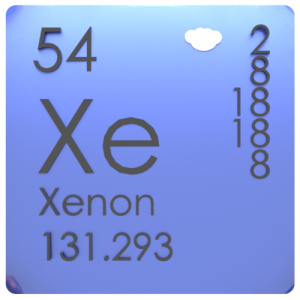
Xenon is a colorless, dense, odorless noble gas found in the Earth’s atmosphere in trace amounts.[10] Although generally unreactive, xenon can undergo a few chemical reactions. Xenon was first discovered in 1898 by the Scottish chemist William Ramsay and English chemist Morris Travers. The name xenon for this gas comes from the Greek word ξένον [xenon], neuter singular form of ξένος [xenos], meaning ‘foreign(er)’, ‘strange(r)’, or ‘guest’. In nuclear industry, especially artificial xenon 135 has a tremendous impact on the operation of a nuclear reactor. For physicists and for reactor operators, it is important to understand the mechanisms that produce and remove xenon from the reactor to predict how the reactor will respond following changes in power level.

Helium in Periodic Table

Xenon in Periodic Table

Source: www.luciteria.com

Helium and Xenon – Applications

Helium

Helium is used for many purposes that require some of its unique properties, such as its low boiling point, low density, low solubility, high thermal conductivity, or inertness. Of the 2014 world helium total production of about 32 million kg (180 million standard cubic meters) helium per year, the largest use (about 32% of the total in 2014) is in cryogenic applications, most of which involves cooling the superconducting magnets in medical MRI scanners and NMR spectrometers. Most clinical magnets are superconducting magnets, which require liquid helium to keep them very cold.

Xenon

Xenon is useful in the following applications. The white flash of light produced by xenon makes it suitable for usage in strobe lights and to power ruby lasers. Xenon is used in light-emitting devices called xenon flash lamps, used in photographic flashes and stroboscopic lamps.

Helium and Xenon – Comparison in Table

Helium

Element Helium Xenon
Density 0.00018 g/cm3 0.0059 g/cm3
Ultimate Tensile Strength N/A N/A
Yield Strength N/A N/A
Young’s Modulus of Elasticity N/A N/A
Mohs Scale N/A N/A
Brinell Hardness N/A N/A
Vickers Hardness N/A N/A
Melting Point -272.2 °C -111.8 °C
Boiling Point -268.9 °C -107.1 °C
Thermal Conductivity 0.1513 W/mK 0.00565 W/mK
Thermal Expansion Coefficient — µm/mK — µm/mK
Specific Heat 5.193 J/g K 0.158 J/g K
Heat of Fusion 0.0138 kJ/mol 2.297 kJ/mol
Heat of Vaporization 0.0845 kJ/mol 12.636 kJ/mol


Helium and Nitrogen – Comparison – Properties

This article contains comparison of key thermal and atomic properties of helium and nitrogen, two comparable chemical elements from the periodic table. It also contains basic descriptions and applications of both elements. Helium vs Nitrogen.

helium and nitrogen - comparison

Compare helium with another element

Hydrogen - Properties - Price - Applications - Production

Oxygen - Properties - Price - Applications - Production

Argon - Properties - Price - Applications - Production

Aluminium - Properties - Price - Applications - Production

Neon - Properties - Price - Applications - Production

Xenon - Properties - Price - Applications - Production

Compare nitrogen with another element

Hydrogen - Properties - Price - Applications - Production

Helium - Properties - Price - Applications - Production

Lithium - Properties - Price - Applications - Production

Beryllium - Properties - Price - Applications - Production

Carbon - Properties - Price - Applications - Production

Oxygen - Properties - Price - Applications - Production

Phosphorus - Properties - Price - Applications - Production

Helium and Nitrogen – About Elements

Helium

It is a colorless, odorless, tasteless, non-toxic, inert, monatomic gas, the first in the noble gas group in the periodic table. Its boiling point is the lowest among all the elements.

Nitrogen

Nitrogen is a colourless, odourless unreactive gas that forms about 78% of the earth’s atmosphere. Liquid nitrogen (made by distilling liquid air) boils at 77.4 kelvins (−195.8°C) and is used as a coolant.

Helium in Periodic Table

Nitrogen in Periodic Table

Source: www.luciteria.com

Helium and Nitrogen – Applications

Helium

Helium is used for many purposes that require some of its unique properties, such as its low boiling point, low density, low solubility, high thermal conductivity, or inertness. Of the 2014 world helium total production of about 32 million kg (180 million standard cubic meters) helium per year, the largest use (about 32% of the total in 2014) is in cryogenic applications, most of which involves cooling the superconducting magnets in medical MRI scanners and NMR spectrometers. Most clinical magnets are superconducting magnets, which require liquid helium to keep them very cold.

Nitrogen

Nitrogen in various chemical forms plays a major role in large number of environmental issues. The applications of nitrogen compounds are naturally extremely widely varied due to the huge size of this class: hence, only applications of pure nitrogen itself will be considered here. Two-thirds of nitrogen produced by industry is sold as the gas and the remaining one-third as the liquid. In metallurgy, nitriding is a case hardening process in which the surface nitrogen concentration of a ferrous is increased by diffusion from the surrounding environment to create case-hardened surface. Nitriding produces hard, highly wear-resistant surface (shallow case depths) of product with fair capacity for contact load, good bending fatigue strength and excellent resistance to seizure. Synthetically produced ammonia and nitrates are key industrial fertilisers, and fertiliser nitrates are key pollutants in the eutrophication of water systems. Apart from its use in fertilisers and energy-stores, nitrogen is a constituent of organic compounds as diverse as Kevlar used in high-strength fabric and cyanoacrylate used in superglue.

Helium and Nitrogen – Comparison in Table

Helium

Element Helium Nitrogen
Density 0.00018 g/cm3 0.00125 g/cm3
Ultimate Tensile Strength N/A N/A
Yield Strength N/A N/A
Young’s Modulus of Elasticity N/A N/A
Mohs Scale N/A N/A
Brinell Hardness N/A N/A
Vickers Hardness N/A N/A
Melting Point -272.2 °C -209.9 °C
Boiling Point -268.9 °C -195.8 °C
Thermal Conductivity 0.1513 W/mK 0.02598 W/mK
Thermal Expansion Coefficient — µm/mK — µm/mK
Specific Heat 5.193 J/g K 1.04 J/g K
Heat of Fusion 0.0138 kJ/mol (N2) 0.7204 kJ/mol
Heat of Vaporization 0.0845 kJ/mol (N2) 5.56 kJ/mol


Helium and Neon – Comparison – Properties

This article contains comparison of key thermal and atomic properties of helium and neon, two comparable chemical elements from the periodic table. It also contains basic descriptions and applications of both elements. Helium vs Neon.

helium and neon- comparison

Compare helium with another element

Hydrogen - Properties - Price - Applications - Production

Oxygen - Properties - Price - Applications - Production

Argon - Properties - Price - Applications - Production

Aluminium - Properties - Price - Applications - Production

Neon - Properties - Price - Applications - Production

Xenon - Properties - Price - Applications - Production

Compare neon with another element

Helium - Properties - Price - Applications - Production

Fluorine - Properties - Price - Applications - Production

Argon - Properties - Price - Applications - Production

Xenon - Properties - Price - Applications - Production

Helium and Neon – About Elements

Helium

It is a colorless, odorless, tasteless, non-toxic, inert, monatomic gas, the first in the noble gas group in the periodic table. Its boiling point is the lowest among all the elements.

Neon

Neon is a colorless, odorless, inert monatomic gas under standard conditions, with about two-thirds the density of air.

Helium in Periodic Table

Neon in Periodic Table

Source: www.luciteria.com

Helium and Neon – Applications

Helium

Helium is used for many purposes that require some of its unique properties, such as its low boiling point, low density, low solubility, high thermal conductivity, or inertness. Of the 2014 world helium total production of about 32 million kg (180 million standard cubic meters) helium per year, the largest use (about 32% of the total in 2014) is in cryogenic applications, most of which involves cooling the superconducting magnets in medical MRI scanners and NMR spectrometers. Most clinical magnets are superconducting magnets, which require liquid helium to keep them very cold.

Neon

Neon is often used in signs and produces an unmistakable bright reddish-orange light. Although tube lights with other colors are often called “neon”, they use different noble gases or varied colors of fluorescent lighting. Neon is also used to make high-voltage indicators and switching gear, lightning arresters, diving equipment and lasers. Liquid neon is an important cryogenic refrigerant. It has over 40 times more refrigerating capacity per unit volume than liquid helium, and more than 3 times that of liquid hydrogen

Helium and Neon – Comparison in Table

Helium

Element Helium Neon
Density 0.00018 g/cm3 0.0009 g/cm3
Ultimate Tensile Strength N/A N/A
Yield Strength N/A N/A
Young’s Modulus of Elasticity N/A N/A
Mohs Scale N/A N/A
Brinell Hardness N/A N/A
Vickers Hardness N/A N/A
Melting Point -272.2 °C -248 °C
Boiling Point -268.9 °C -248.7 °C
Thermal Conductivity 0.1513 W/mK 0.0493 W/mK
Thermal Expansion Coefficient — µm/mK — µm/mK
Specific Heat 5.193 J/g K 0.904 J/g K
Heat of Fusion 0.0138 kJ/mol 0.3317 kJ/mol
Heat of Vaporization 0.0845 kJ/mol 1.7326 kJ/mol


Helium and Oxygen – Comparison – Properties

This article contains comparison of key thermal and atomic properties of helium and oxygen, two comparable chemical elements from the periodic table. It also contains basic descriptions and applications of both elements. Helium vs Oxygen.

helium and oxygen - comparison

Compare helium with another element

Hydrogen - Properties - Price - Applications - Production

Oxygen - Properties - Price - Applications - Production

Argon - Properties - Price - Applications - Production

Aluminium - Properties - Price - Applications - Production

Neon - Properties - Price - Applications - Production

Xenon - Properties - Price - Applications - Production

Compare oxygen with another element

Sodium - Properties - Price - Applications - Production

Fluorine - Properties - Price - Applications - Production

Magnesium - Properties - Price - Applications - Production

Aluminium - Properties - Price - Applications - Production

Silicon - Properties - Price - Applications - Production

Sulfur - Properties - Price - Applications - Production

Chlorine - Properties - Price - Applications - Production

Potassium - Properties - Price - Applications - Production

Calcium - Properties - Price - Applications - Production

Iron - Properties - Price - Applications - Production

Hydrogen - Properties - Price - Applications - Production

Helium - Properties - Price - Applications - Production

Lithium - Properties - Price - Applications - Production

Beryllium - Properties - Price - Applications - Production

Boron - Properties - Price - Applications - Production

Carbon - Properties - Price - Applications - Production

Helium and Oxygen – About Elements

Helium

It is a colorless, odorless, tasteless, non-toxic, inert, monatomic gas, the first in the noble gas group in the periodic table. Its boiling point is the lowest among all the elements.

Oxygen

Oxygen is a colourless, odourless reactive gas, the chemical element of atomic number 8 and the life-supporting component of the air. It is a member of the chalcogen group on the periodic table, a highly reactive nonmetal, and an oxidizing agent that readily forms oxides with most elements as well as with other compounds. By mass, oxygen is the third-most abundant element in the universe, after hydrogen and helium.

Helium in Periodic Table

Oxygen in Periodic Table

Source: www.luciteria.com

Helium and Oxygen – Applications

Helium

Helium is used for many purposes that require some of its unique properties, such as its low boiling point, low density, low solubility, high thermal conductivity, or inertness. Of the 2014 world helium total production of about 32 million kg (180 million standard cubic meters) helium per year, the largest use (about 32% of the total in 2014) is in cryogenic applications, most of which involves cooling the superconducting magnets in medical MRI scanners and NMR spectrometers. Most clinical magnets are superconducting magnets, which require liquid helium to keep them very cold.

Oxygen

Common uses of oxygen include production of steel, plastics and textiles, brazing, welding and cutting of steels and other metals, rocket propellant, oxygen therapy, and life support systems in aircraft, submarines, spaceflight and diving. Smelting of iron ore into steel consumes 55% of commercially produced oxygen. In this process, oxygen is injected through a high-pressure lance into molten iron, which removes sulfur impurities and excess carbon as the respective oxides, sulfur dioxide and carbon dioxide. Uptake of oxygen from the air is the essential purpose of respiration, so oxygen supplementation is used in medicine. Treatment not only increases oxygen levels in the patient’s blood, but has the secondary effect of decreasing resistance to blood flow in many types of diseased lungs, easing work load on the heart.

Helium and Oxygen – Comparison in Table

Helium

Element Helium Oxygen
Density 0.00018 g/cm3 0.00143 g/cm3
Ultimate Tensile Strength N/A N/A
Yield Strength N/A N/A
Young’s Modulus of Elasticity N/A N/A
Mohs Scale N/A N/A
Brinell Hardness N/A N/A
Vickers Hardness N/A N/A
Melting Point -272.2 °C -218.4 °C
Boiling Point -268.9 °C -183 °C
Thermal Conductivity 0.1513 W/mK 0.02674 W/mK
Thermal Expansion Coefficient — µm/mK — µm/mK
Specific Heat 5.193 J/g K 0.92 J/g K
Heat of Fusion 0.0138 kJ/mol (O2) 0.444 kJ/mol
Heat of Vaporization 0.0845 kJ/mol (O2) 6.82 kJ/mol


Helium and Argon – Comparison – Properties

This article contains comparison of key thermal and atomic properties of helium and argon, two comparable chemical elements from the periodic table. It also contains basic descriptions and applications of both elements. Helium vs Argon.

helium and argon - comparison

Compare helium with another element

Hydrogen - Properties - Price - Applications - Production

Oxygen - Properties - Price - Applications - Production

Argon - Properties - Price - Applications - Production

Aluminium - Properties - Price - Applications - Production

Neon - Properties - Price - Applications - Production

Xenon - Properties - Price - Applications - Production

Compare argon with another element

Helium - Properties - Price - Applications - Production

Neon - Properties - Price - Applications - Production

Krypton - Properties - Price - Applications - Production

Helium and Argon – About Elements

Helium

It is a colorless, odorless, tasteless, non-toxic, inert, monatomic gas, the first in the noble gas group in the periodic table. Its boiling point is the lowest among all the elements.

Argon

Argon is the third-most abundant gas in the Earth’s atmosphere, at 0.934% (9340 ppmv). It is more than twice as abundant as water vapor (which averages about 4000 ppmv, but varies greatly), 23 times as abundant as carbon dioxide (400 ppmv), and more than 500 times as abundant as neon (18 ppmv). Argon is mostly used as an inert shielding gas in welding and other high-temperature industrial processes where ordinarily unreactive substances become reactive; for example, an argon atmosphere is used in graphite electric furnaces to prevent the graphite from burning.

Helium in Periodic Table

Argon in Periodic Table

Source: www.luciteria.com

Helium and Argon – Applications

Helium

Helium is used for many purposes that require some of its unique properties, such as its low boiling point, low density, low solubility, high thermal conductivity, or inertness. Of the 2014 world helium total production of about 32 million kg (180 million standard cubic meters) helium per year, the largest use (about 32% of the total in 2014) is in cryogenic applications, most of which involves cooling the superconducting magnets in medical MRI scanners and NMR spectrometers. Most clinical magnets are superconducting magnets, which require liquid helium to keep them very cold.

Argon

The major applications of argon include the following: electric lamps as filler gas, welding purpose, discharge tubes, argon lasers and argon-dye lasers. Argon is mostly used as an inert shielding gas in welding and other high-temperature industrial processes where ordinarily unreactive substances become reactive; for example, an argon atmosphere is used in graphite electric furnaces to prevent the graphite from burning. Argon is also used in incandescent, fluorescent lighting, and other gas-discharge tubes.

Helium and Argon – Comparison in Table

Helium

Element Helium Argon
Density 0.00018 g/cm3 0.00178 g/cm3
Ultimate Tensile Strength N/A N/A
Yield Strength N/A N/A
Young’s Modulus of Elasticity N/A N/A
Mohs Scale N/A N/A
Brinell Hardness N/A N/A
Vickers Hardness N/A N/A
Melting Point -272.2 °C -189.2 °C
Boiling Point -268.9 °C -185.7 °C
Thermal Conductivity 0.1513 W/mK 0.01772 W/mK
Thermal Expansion Coefficient — µm/mK — µm/mK
Specific Heat 5.193 J/g K 0.52 J/g K
Heat of Fusion 0.0138 kJ/mol 1.188 kJ/mol
Heat of Vaporization 0.0845 kJ/mol 6.447 kJ/mol


Hydrogen and Calcium – Comparison – Properties

This article contains comparison of key thermal and atomic properties of hydrogen and calcium, two comparable chemical elements from the periodic table. It also contains basic descriptions and applications of both elements. Hydrogen vs Calcium.

hydrogen and calcium - comparison

Compare hydrogen with another element

Helium - Properties - Price - Applications - Production

Oxygen - Properties - Price - Applications - Production

Carbon - Properties - Price - Applications - Production

Aluminium - Properties - Price - Applications - Production

Lithium - Properties - Price - Applications - Production

Nitrogen - Properties - Price - Applications - Production

Fluorine - Properties - Price - Applications - Production

Sodium - Properties - Price - Applications - Production

Calcium - Properties - Price - Applications - Production

Compare calcium with another element

Hydrogen - Properties - Price - Applications - Production

Lithium - Properties - Price - Applications - Production

Oxygen - Properties - Price - Applications - Production

Fluorine - Properties - Price - Applications - Production

Sodium - Properties - Price - Applications - Production

Magnesium - Properties - Price - Applications - Production

Phosphorus - Properties - Price - Applications - Production

Sulfur - Properties - Price - Applications - Production

Chlorine - Properties - Price - Applications - Production

Potassium - Properties - Price - Applications - Production

Iron - Properties - Price - Applications - Production

Hydrogen and Calcium – About Elements

Hydrogen

With a standard atomic weight of circa 1.008, hydrogen is the lightest element on the periodic table. Its monatomic form (H) is the most abundant chemical substance in the Universe, constituting roughly 75% of all baryonic mass.

Calcium

Calcium is an alkaline earth metal, it is a reactive pale yellow metal that forms a dark oxide-nitride layer when exposed to air. Its physical and chemical properties are most similar to its heavier homologues strontium and barium. It is the fifth most abundant element in Earth’s crust and the third most abundant metal, after iron and aluminium.

Hydrogen in Periodic Table

Calcium in Periodic Table

Source: www.luciteria.com

Hydrogen and Calcium – Applications

Hydrogen

Hydrogen is versatile and can be utilized in various ways. These multiple uses can be grouped into two large categories. Hydrogen as a feedstock. A role whose importance is being recognized for decades and will continue to grow and evolve. The largest single use of hydrogen in the world is in ammonia manufacture, which consumes about two-thirds of the world’s hydrogen production. Hydrogen is versatile and can be utilized in various ways. These multiple uses can be grouped into two large categories. Hydrogen as a feedstock for further chemical processes. A role whose importance is being recognized for decades and will continue to grow and evolve. And hydrogen as an energy carrier. Hydrogen is also commonly used in power stations as a coolant in generators due to a number of favorable properties that are a direct result of its light diatomic molecules.

Calcium

The largest use of metallic calcium is in steelmaking, due to its strong chemical affinity for oxygen and sulfur. Its oxides and sulfides, once formed, give liquid lime aluminate and sulfide inclusions in steel which float out. Calcium compounds are used as manufacture of insecticides, paints, blackboard chalk, textile and fireworks.

Hydrogen and Calcium – Comparison in Table

Element Hydrogen Calcium
Density 0.00009 g/cm3 1.55 g/cm3
Ultimate Tensile Strength N/A 110 MPa
Yield Strength N/A N/A
Young’s Modulus of Elasticity N/A 20 GPa
Mohs Scale N/A 1.5
Brinell Hardness N/A 170 – 400 MPa
Vickers Hardness N/A N/A
Melting Point -259.1 °C 842 °C
Boiling Point -252.9 °C 1484 °C
Thermal Conductivity 0.1805 W/mK 200 W/mK
Thermal Expansion Coefficient — µm/mK 22.3 µm/mK
Specific Heat 14.304 J/g K 0.63 J/g K
Heat of Fusion 0.05868 kJ/mol 8.54 kJ/mol
Heat of Vaporization 0.44936 kJ/mol 153.3 kJ/mol


Hydrogen and Sodium – Comparison – Properties

This article contains comparison of key thermal and atomic properties of hydrogen and sodium, two comparable chemical elements from the periodic table. It also contains basic descriptions and applications of both elements. Hydrogen vs Sodium.

hydrogen and sodium - comparison

Compare hydrogen with another element

Helium - Properties - Price - Applications - Production

Oxygen - Properties - Price - Applications - Production

Carbon - Properties - Price - Applications - Production

Aluminium - Properties - Price - Applications - Production

Lithium - Properties - Price - Applications - Production

Nitrogen - Properties - Price - Applications - Production

Fluorine - Properties - Price - Applications - Production

Sodium - Properties - Price - Applications - Production

Calcium - Properties - Price - Applications - Production

Compare sodium with another element

Hydrogen - Properties - Price - Applications - Production

Lithium - Properties - Price - Applications - Production

Oxygen - Properties - Price - Applications - Production

Calcium - Properties - Price - Applications - Production

Magnesium - Properties - Price - Applications - Production

Potassium - Properties - Price - Applications - Production

Chlorine - Properties - Price - Applications - Production

Aluminium - Properties - Price - Applications - Production

Silicon - Properties - Price - Applications - Production

Sulfur - Properties - Price - Applications - Production

Hydrogen and Sodium – About Elements

Hydrogen

With a standard atomic weight of circa 1.008, hydrogen is the lightest element on the periodic table. Its monatomic form (H) is the most abundant chemical substance in the Universe, constituting roughly 75% of all baryonic mass.

Sodium

Sodium is a soft, silvery-white, highly reactive metal. Sodium is an alkali metal, being in group 1 of the periodic table, because it has a single electron in its outer shell that it readily donates, creating a positively charged atom—the Na+ cation.

Hydrogen in Periodic Table

Sodium in Periodic Table

Source: www.luciteria.com

Hydrogen and Sodium – Applications

Hydrogen

Hydrogen is versatile and can be utilized in various ways. These multiple uses can be grouped into two large categories. Hydrogen as a feedstock. A role whose importance is being recognized for decades and will continue to grow and evolve. The largest single use of hydrogen in the world is in ammonia manufacture, which consumes about two-thirds of the world’s hydrogen production. Hydrogen is versatile and can be utilized in various ways. These multiple uses can be grouped into two large categories. Hydrogen as a feedstock for further chemical processes. A role whose importance is being recognized for decades and will continue to grow and evolve. And hydrogen as an energy carrier. Hydrogen is also commonly used in power stations as a coolant in generators due to a number of favorable properties that are a direct result of its light diatomic molecules.

Sodium

Metallic sodium is used mainly for the production of sodium borohydride, sodium azide, indigo, and triphenylphosphine. A once-common use was the making of tetraethyllead and titanium metal; because of the move away from TEL and new titanium production methods. An electric current and sodium vapor combine to form a yellowish glow. This principle is used for the making of sodium vapor lamps. Sodium is occasionally used as a heat exchange medium in nuclear power plants. Liquid sodium is sealed into pipes surrounding the reactor core. Generated heat is absorbed by sodium and forced through the pipes in a heat exchanger which can be used to generate electricity.

Hydrogen and Sodium – Comparison in Table

Element Hydrogen Sodium
Density 0.00009 g/cm3 0.968 g/cm3
Ultimate Tensile Strength N/A N/A
Yield Strength N/A N/A
Young’s Modulus of Elasticity N/A 10 GPa
Mohs Scale N/A 0.4
Brinell Hardness N/A 0.69 MPa
Vickers Hardness N/A N/A
Melting Point -259.1 °C 97.8 °C
Boiling Point -252.9 °C 883 °C
Thermal Conductivity 0.1805 W/mK 141 W/mK
Thermal Expansion Coefficient — µm/mK 71 µm/mK
Specific Heat 14.304 J/g K 1.23 J/g K
Heat of Fusion 0.05868 kJ/mol 2.598 kJ/mol
Heat of Vaporization 0.44936 kJ/mol 96.96 kJ/mol