Facebook Instagram Youtube Twitter

Titanium and Gold – Comparison – Properties

This article contains comparison of key thermal and atomic properties of titanium and gold, two comparable chemical elements from the periodic table. It also contains basic descriptions and applications of both elements. Titanium vs Gold.
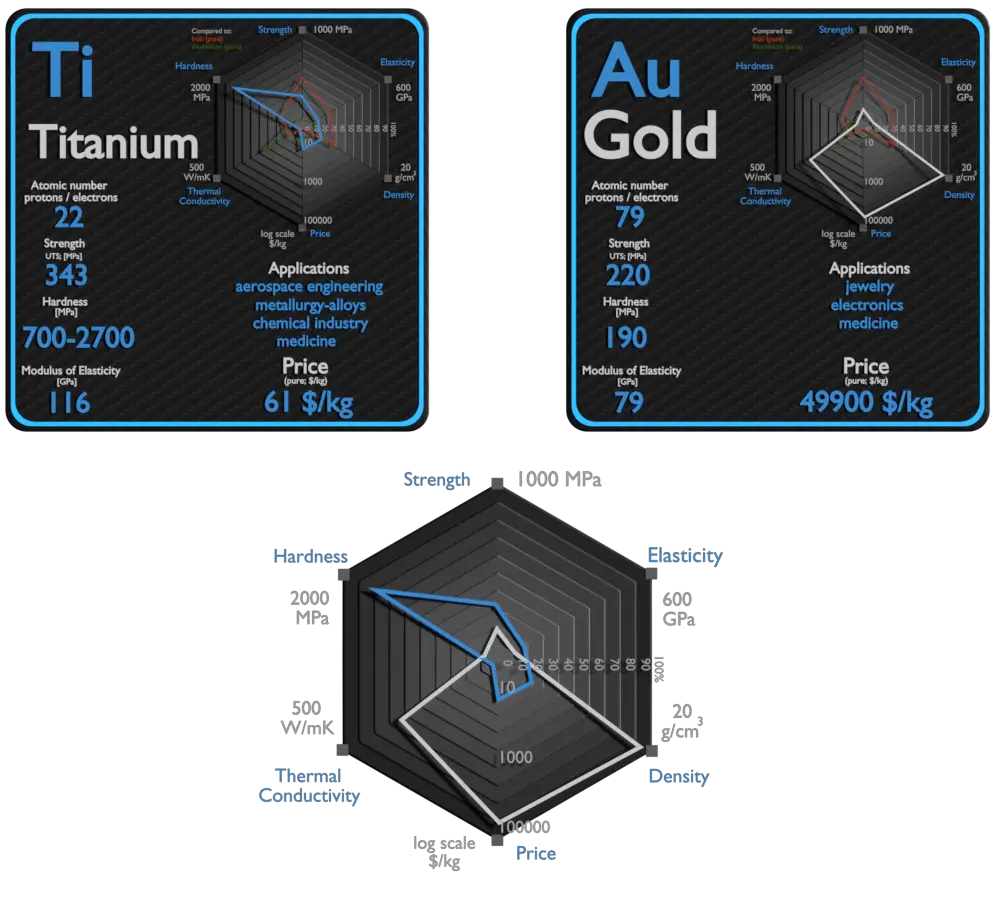
titanium and gold - comparison

Compare titanium with another element

Aluminium - Properties - Price - Applications - Production

Vanadium - Properties - Price - Applications - Production

Tungsten - Properties - Price - Applications - Production

Gold - Properties - Price - Applications - Production

Zinc - Properties - Price - Applications - Production

Zirconium - Properties - Price - Applications - Production

Niobium - Properties - Price - Applications - Production

Tantalum - Properties - Price - Applications - Production

Copper - Properties - Price - Applications - Production

Uranium - Properties - Price - Applications - Production

Compare gold with another element

Titanium - Properties - Price - Applications - Production

Cobalt - Properties - Price - Applications - Production

Nickel - Properties - Price - Applications - Production

Copper - Properties - Price - Applications - Production

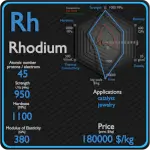
Rhodium - Properties - Price - Applications - Production

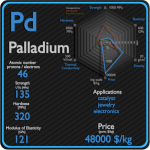
Palladium - Properties - Price - Applications - Production

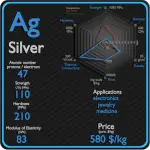
Silver - Properties - Price - Applications - Production

Tungsten - Properties - Price - Applications - Production

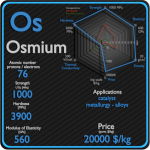
Osmium - Properties - Price - Applications - Production

Iridium - Properties - Price - Applications - Production

Platinum - Properties - Price - Applications - Production

Lead - Properties - Price - Applications - Production

Titanium and Gold – About Elements

Titanium

Titanium is a lustrous transition metal with a silver color, low density, and high strength. Titanium is resistant to corrosion in sea water, aqua regia, and chlorine. Titanium can be used in surface condensers. These condensers use tubes that are usually made of stainless steel, copper alloys, or titanium depending on several selection criteria (such as thermal conductivity or corrosion resistance). Titanium condenser tubes are usually the best technical choice, however titanium is very expensive material and the use of titanium condenser tubes is associated with very high initial costs.

Gold

Gold is a bright, slightly reddish yellow, dense, soft, malleable, and ductile metal. Gold is a transition metal and a group 11 element. It is one of the least reactive chemical elements and is solid under standard conditions. Gold is thought to have been produced in supernova nucleosynthesis, from the collision of neutron stars.

Titanium in Periodic Table

Gold in Periodic Table

Source: www.luciteria.com

Titanium and Gold – Applications

Titanium

The two most useful properties of the metal are corrosion resistance and strength-to-density ratio, the highest of any metallic element. The corrosion resistance of titanium alloys at normal temperatures is unusually high. These properties determine application of titanium and its alloys. The earliest production application of titanium was in 1952, for the nacelles and firewalls of the Douglas DC-7 airliner. High specific strength, good fatigue resistance and creep life, and good fracture toughness are characteristics that make titanium a preferred metal for aerospace applications. Aerospace applications, including use in both structural (airframe) components and jet engines, still account for the largest share of titanium alloy use. On the supersonic aircraft SR-71, titanium was used for 85% of the structure. Due to very high inertness, titanium has many biomedical applications, which is based on its inertness in the human body, that is, resistance to corrosion by body fluids.

Gold

Gold is used extensively in jewellery, either in its pure form or as an alloy. About 75% of all gold produced is used in the jewelry industry. Pure gold is too soft to stand up to the stresses applied to many jewelry items. Craftsmen learned that alloying gold with other metals such as copper, silver, and platinum would increase its durability. The term ‘carat’ indicates the amount of gold present in an alloy. 24-carat is pure gold, but it is very soft. 18- and 9-carat gold alloys are commonly used because they are more durable. Gold’s high malleability, ductility, resistance to corrosion and most other chemical reactions, and conductivity of electricity have led to its continued use in corrosion resistant electrical connectors in all types of computerized devices (its chief industrial use). Gold is also used in infrared shielding, colored-glass production, gold leafing, and tooth restoration. Only 10% of the world consumption of new gold produced goes to industry, but by far the most important industrial use for new gold is in fabrication of corrosion-free electrical connectors in computers and other electrical devices.

Titanium and Gold – Comparison in Table

Element Titanium Gold
Density 4.507 g/cm3 19.3 g/cm3
Ultimate Tensile Strength 434 MPa, 293 MPa (pure) 220 MPa
Yield Strength 380 MPa 205 MPa
Young’s Modulus of Elasticity 116 GPa 79 GPa
Mohs Scale 6 2.75
Brinell Hardness 700 – 2700 MPa 190 MPa
Vickers Hardness 800 – 3400 MPa 215 MPa
Melting Point 1668 °C 1064 °C
Boiling Point 3287 °C 2970 °C
Thermal Conductivity 21.9 W/mK 320 W/mK
Thermal Expansion Coefficient 8.6 µm/mK 14.2 µm/mK
Specific Heat 0.52 J/g K 0.128 J/g K
Heat of Fusion 15.45 kJ/mol 12.55 kJ/mol
Heat of Vaporization 421 kJ/mol 334.4 kJ/mol


Titanium and Tungsten – Comparison – Properties

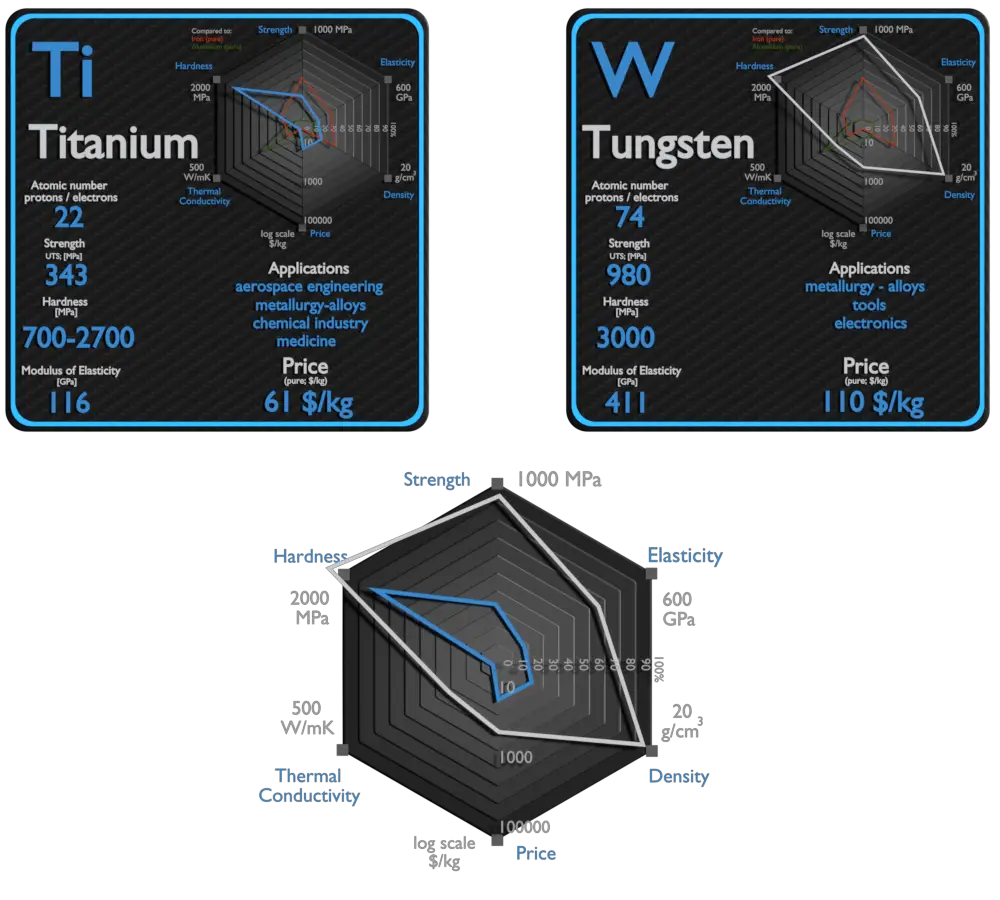
This article contains comparison of key thermal and atomic properties of titanium and tungsten, two comparable chemical elements from the periodic table. It also contains basic descriptions and applications of both elements. Titanium vs Tungsten.

titanium and tungsten - comparison

Compare titanium with another element

Aluminium - Properties - Price - Applications - Production

Vanadium - Properties - Price - Applications - Production

Tungsten - Properties - Price - Applications - Production

Gold - Properties - Price - Applications - Production

Zinc - Properties - Price - Applications - Production

Zirconium - Properties - Price - Applications - Production

Niobium - Properties - Price - Applications - Production

Tantalum - Properties - Price - Applications - Production

Copper - Properties - Price - Applications - Production

Uranium - Properties - Price - Applications - Production

Compare tungsten with another element

Titanium - Properties - Price - Applications - Production

Chromium - Properties - Price - Applications - Production

Cobalt - Properties - Price - Applications - Production

Zirconium - Properties - Price - Applications - Production

Molybdenum - Properties - Price - Applications - Production

Platinum - Properties - Price - Applications - Production

Rhenium - Properties - Price - Applications - Production

Gold - Properties - Price - Applications - Production

Iridium - Properties - Price - Applications - Production

Titanium and Tungsten – About Elements

Titanium

Titanium is a lustrous transition metal with a silver color, low density, and high strength. Titanium is resistant to corrosion in sea water, aqua regia, and chlorine. Titanium can be used in surface condensers. These condensers use tubes that are usually made of stainless steel, copper alloys, or titanium depending on several selection criteria (such as thermal conductivity or corrosion resistance). Titanium condenser tubes are usually the best technical choice, however titanium is very expensive material and the use of titanium condenser tubes is associated with very high initial costs.

Tungsten

Tungsten is a rare metal found naturally on Earth almost exclusively in chemical compounds. Tungsten is an intrinsically brittle and hard material, making it difficult to work.

Titanium in Periodic Table

Tungsten in Periodic Table

Source: www.luciteria.com

Titanium and Tungsten – Applications

Titanium

The two most useful properties of the metal are corrosion resistance and strength-to-density ratio, the highest of any metallic element. The corrosion resistance of titanium alloys at normal temperatures is unusually high. These properties determine application of titanium and its alloys. The earliest production application of titanium was in 1952, for the nacelles and firewalls of the Douglas DC-7 airliner. High specific strength, good fatigue resistance and creep life, and good fracture toughness are characteristics that make titanium a preferred metal for aerospace applications. Aerospace applications, including use in both structural (airframe) components and jet engines, still account for the largest share of titanium alloy use. On the supersonic aircraft SR-71, titanium was used for 85% of the structure. Due to very high inertness, titanium has many biomedical applications, which is based on its inertness in the human body, that is, resistance to corrosion by body fluids.

Tungsten

Tungsten is widely used metal. Approximately half of the tungsten is consumed for the production of hard materials – namely tungsten carbide – with the remaining major use being in alloys and steels. Mining and mineral processing demand wear-resistant machines and components, because the energies and masses of interacting bodies are significant. For this purposes, materials with the highest wear-resistance must be used. For example, tungsten carbide is used extensively in mining in top hammer rock drill bits, downhole hammers, roller-cutters, long wall plough chisels, long wall shearer picks, raiseboring reamers, and tunnel boring machines. The remaining 40% is generally used to make various alloys and specialty steels, electrodes, filaments, wires, as well as diverse components for electric, electronic, heating, lighting, and welding applications. High-speed steels are complex iron-base alloys of carbon, chromium, vanadium, molybdenum, or tungsten (as much as 18%), or combinations there of.

Titanium and Tungsten – Comparison in Table

Element Titanium Tungsten
Density 4.507 g/cm3 19.25 g/cm3
Ultimate Tensile Strength 434 MPa, 293 MPa (pure) 980 MPa
Yield Strength 380 MPa 750 MPa
Young’s Modulus of Elasticity 116 GPa 411 GPa
Mohs Scale 6 7.5
Brinell Hardness 700 – 2700 MPa 3000 MPa
Vickers Hardness 800 – 3400 MPa 3500 MPa
Melting Point 1668 °C 3410 °C
Boiling Point 3287 °C 59300 °C
Thermal Conductivity 21.9 W/mK 170 W/mK
Thermal Expansion Coefficient 8.6 µm/mK 4.5 µm/mK
Specific Heat 0.52 J/g K 0.13 J/g K
Heat of Fusion 15.45 kJ/mol 35.4 kJ/mol
Heat of Vaporization 421 kJ/mol 824 kJ/mol


Titanium and Vanadium – Comparison – Properties

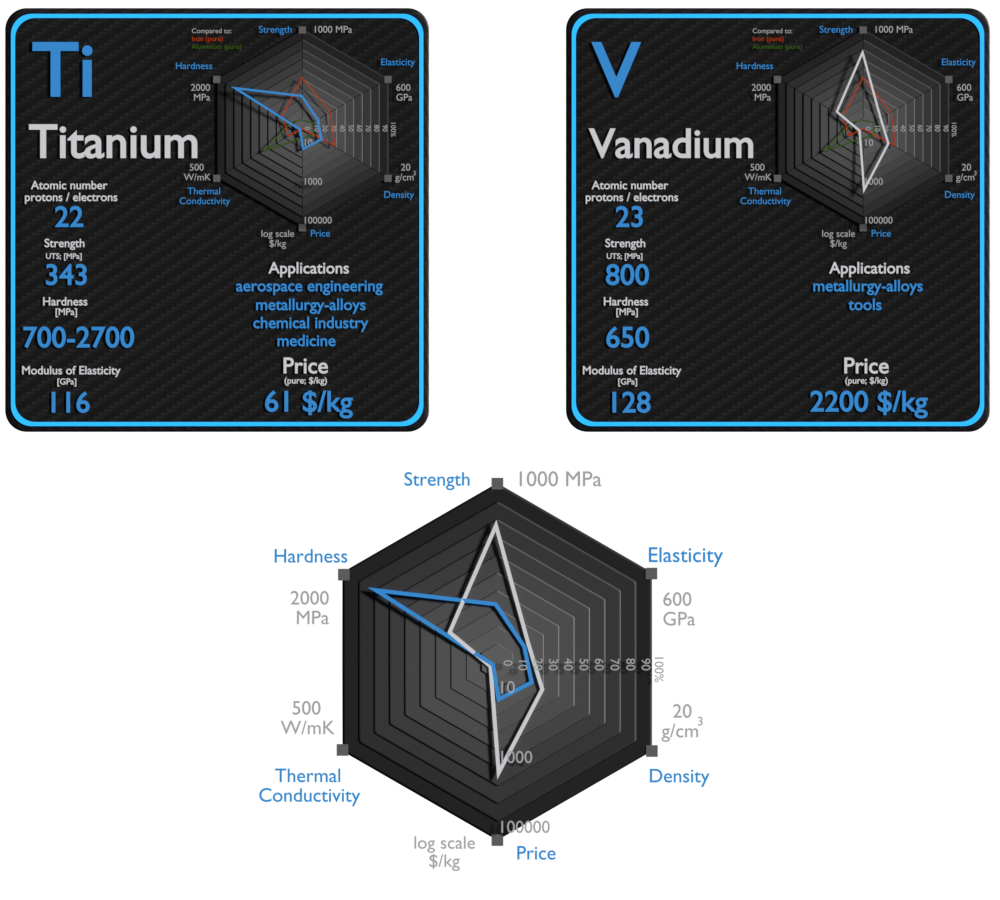
This article contains comparison of key thermal and atomic properties of titanium and vanadium, two comparable chemical elements from the periodic table. It also contains basic descriptions and applications of both elements. Titanium vs Vanadium.

titanium and vanadium - comparison

Compare titanium with another element

Aluminium - Properties - Price - Applications - Production

Vanadium - Properties - Price - Applications - Production

Tungsten - Properties - Price - Applications - Production

Gold - Properties - Price - Applications - Production

Zinc - Properties - Price - Applications - Production

Zirconium - Properties - Price - Applications - Production

Niobium - Properties - Price - Applications - Production

Tantalum - Properties - Price - Applications - Production

Copper - Properties - Price - Applications - Production

Uranium - Properties - Price - Applications - Production

Compare vanadium with another element

Titanium - Properties - Price - Applications - Production

Chromium - Properties - Price - Applications - Production

Titanium and Vanadium – About Elements

Titanium

Titanium is a lustrous transition metal with a silver color, low density, and high strength. Titanium is resistant to corrosion in sea water, aqua regia, and chlorine. Titanium can be used in surface condensers. These condensers use tubes that are usually made of stainless steel, copper alloys, or titanium depending on several selection criteria (such as thermal conductivity or corrosion resistance). Titanium condenser tubes are usually the best technical choice, however titanium is very expensive material and the use of titanium condenser tubes is associated with very high initial costs.

Vanadium

Vanadium is a hard, silvery grey, ductile, and malleable transition metal. The elemental metal is rarely found in nature, but once isolated artificially, the formation of an oxide layer (passivation) stabilizes the free metal somewhat against further oxidation.

Titanium in Periodic Table

Vanadium in Periodic Table

Source: www.luciteria.com

Titanium and Vanadium – Applications

Titanium

The two most useful properties of the metal are corrosion resistance and strength-to-density ratio, the highest of any metallic element. The corrosion resistance of titanium alloys at normal temperatures is unusually high. These properties determine application of titanium and its alloys. The earliest production application of titanium was in 1952, for the nacelles and firewalls of the Douglas DC-7 airliner. High specific strength, good fatigue resistance and creep life, and good fracture toughness are characteristics that make titanium a preferred metal for aerospace applications. Aerospace applications, including use in both structural (airframe) components and jet engines, still account for the largest share of titanium alloy use. On the supersonic aircraft SR-71, titanium was used for 85% of the structure. Due to very high inertness, titanium has many biomedical applications, which is based on its inertness in the human body, that is, resistance to corrosion by body fluids.

Vanadium

Vanadium is mainly used to produce specialty steel alloys such as high-speed tool steels, and some aluminium alloys. Vanadium is generally added to steel to inhibit grain growth during heat treatment. In controlling grain growth, it improves both the strength and toughness of hardened and tempered steels. Vanadium is added to promote abrasion resistance and to produce hard and stable carbides which being only partly soluble, release little carbon into the matrix. The most important industrial vanadium compound, vanadium pentoxide, is used as a catalyst for the production of sulfuric acid. The vanadium redox battery for energy storage may be an important application in the future.

Titanium and Vanadium – Comparison in Table

Element Titanium Vanadium
Density 4.507 g/cm3 6.11 g/cm3
Ultimate Tensile Strength 434 MPa, 293 MPa (pure) 800 MPa
Yield Strength 380 MPa 770 MPa
Young’s Modulus of Elasticity 116 GPa 128 GPa
Mohs Scale 6 6.7
Brinell Hardness 700 – 2700 MPa 650 MPa
Vickers Hardness 800 – 3400 MPa 630 MPa
Melting Point 1668 °C 1910 °C
Boiling Point 3287 °C 3407 °C
Thermal Conductivity 21.9 W/mK 30.7 W/mK
Thermal Expansion Coefficient 8.6 µm/mK 8.4 µm/mK
Specific Heat 0.52 J/g K 0.49 J/g K
Heat of Fusion 15.45 kJ/mol 20.9 kJ/mol
Heat of Vaporization 421 kJ/mol 0.452 kJ/mol


Scandium and Yttrium – Comparison – Properties

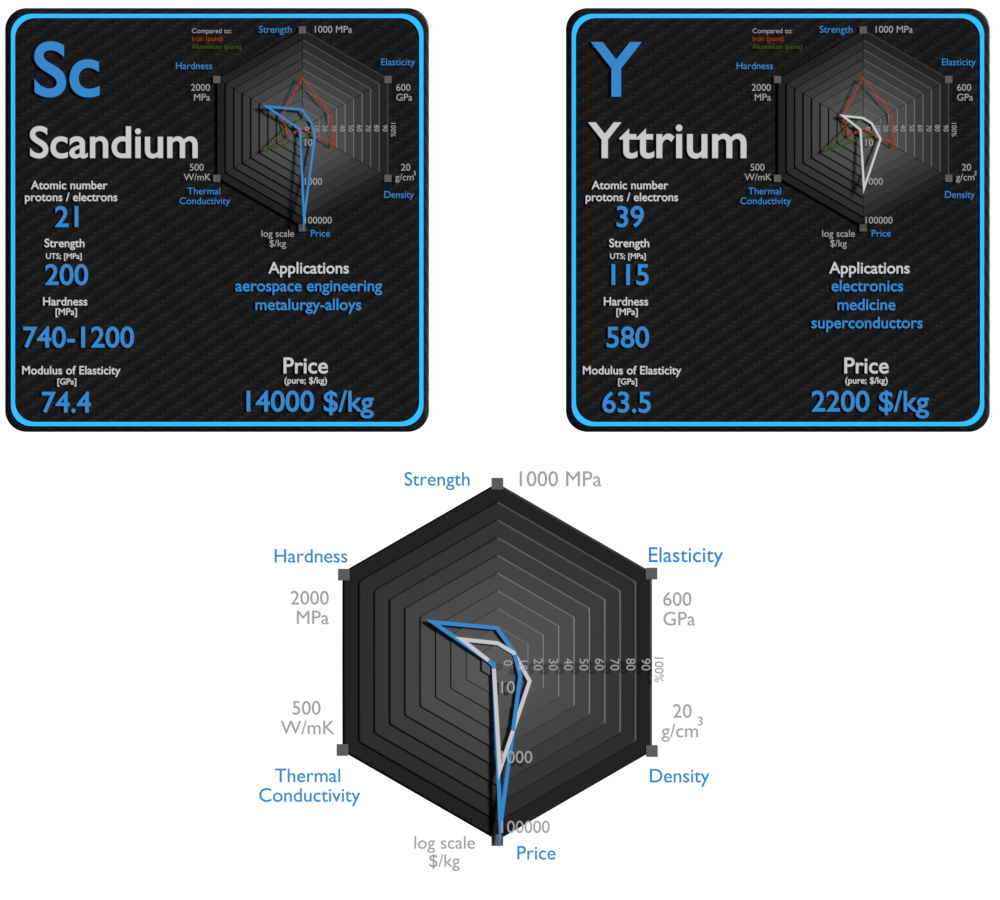
This article contains comparison of key thermal and atomic properties of scandium and yttrium, two comparable chemical elements from the periodic table. It also contains basic descriptions and applications of both elements. Scandium vs Yttrium.

scandium and yttrium - comparison

Compare scandium with another element

Aluminium - Properties - Price - Applications - Production

Yttrium - Properties - Price - Applications - Production

Compare yttrium with another element

Aluminium - Properties - Price - Applications - Production

Ytterbium - Properties - Price - Applications - Production

Scandium and Yttrium – About Elements

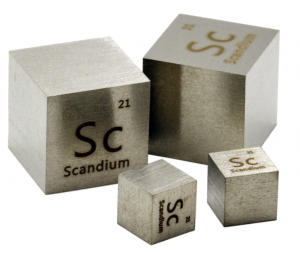
Scandium

Scandium is a silvery-white metallic d-block element, it has historically been sometimes classified as a rare-earth element, together with yttrium and the lanthanides.

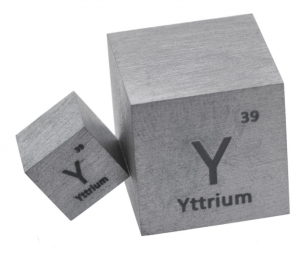
Yttrium

Yttrium is a silvery-metallic transition metal chemically similar to the lanthanides and has often been classified as a “rare-earth element”.

Scandium in Periodic Table

Yttrium in Periodic Table

Source: www.luciteria.com

Scandium and Yttrium – Applications

Scandium

The main application of scandium by weight is in aluminium-scandium alloys for minor aerospace industry components. These alloys contain between 0.1% and 0.5% of scandium. Sc drastically improves Al alloys, increasing strength, corrosion resistance and weldability.

Yttrium

The most important uses of yttrium are LEDs and phosphors, particularly the red phosphors in television set cathode ray tube displays. Yttrium is also used in the production of electrodes, electrolytes, electronic filters, lasers, superconductors, various medical applications, and tracing various materials to enhance their properties. Small amounts of yttrium (0.1 to 0.2%) have been used to reduce the grain sizes of chromium, molybdenum, titanium, and zirconium. Yttrium is used to increase the strength of aluminium and magnesium alloys.

Scandium and Yttrium – Comparison in Table

Element Scandium Yttrium
Density 2.985 g/cm3 4.472 g/cm3
Ultimate Tensile Strength 200 MPa 115 MPa
Yield Strength N/A 50 MPa
Young’s Modulus of Elasticity 74.4 GPa 63.5 GPa
Mohs Scale N/A N/A
Brinell Hardness 740 – 1200 MPa 580 MPa
Vickers Hardness N/A N/A
Melting Point 1541 °C 1526 °C
Boiling Point 2830 °C 2930 °C
Thermal Conductivity 15.8 W/mK 17.2 W/mK
Thermal Expansion Coefficient 10.2 µm/mK 10.6 µm/mK
Specific Heat 0.6 J/g K 0.3 J/g K
Heat of Fusion 14.1 kJ/mol 11.4 kJ/mol
Heat of Vaporization 314.2 kJ/mol 363 kJ/mol


Scandium and Aluminium – Comparison – Properties

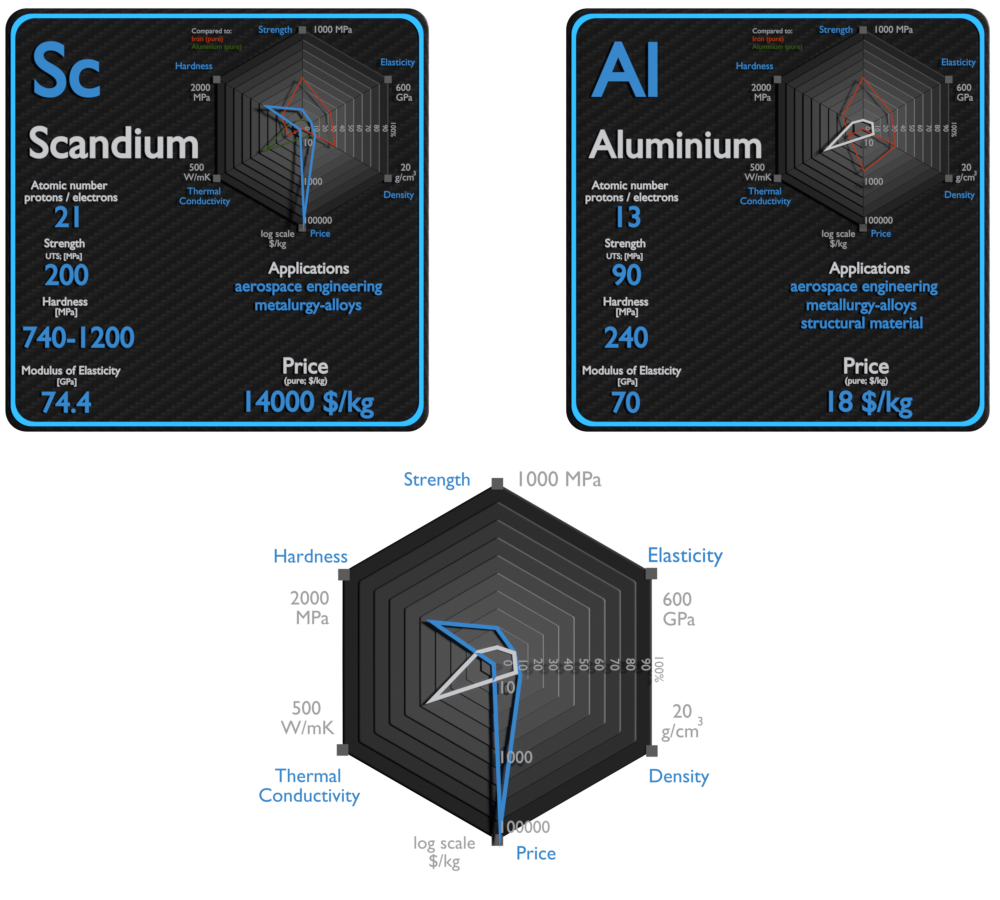
This article contains comparison of key thermal and atomic properties of scandium and aluminium, two comparable chemical elements from the periodic table. It also contains basic descriptions and applications of both elements. Scandium vs Aluminium.

scandium and aluminium - comparison

Compare scandium with another element

Aluminium - Properties - Price - Applications - Production

Yttrium - Properties - Price - Applications - Production

Compare aluminium with another element

Hydrogen - Properties - Price - Applications - Production

Lithium - Properties - Price - Applications - Production

Beryllium - Properties - Price - Applications - Production

Carbon - Properties - Price - Applications - Production

Oxygen - Properties - Price - Applications - Production

Fluorine - Properties - Price - Applications - Production

Sodium - Properties - Price - Applications - Production

Magnesium - Properties - Price - Applications - Production

Copper - Properties - Price - Applications - Production

Mercury - Properties - Price - Applications - Production

Potassium - Properties - Price - Applications - Production

Silicon - Properties - Price - Applications - Production

Chlorine - Properties - Price - Applications - Production

Titanium - Properties - Price - Applications - Production

Iron - Properties - Price - Applications - Production

Gallium - Properties - Price - Applications - Production

Scandium and Aluminium – About Elements

Scandium

Scandium is a silvery-white metallic d-block element, it has historically been sometimes classified as a rare-earth element, together with yttrium and the lanthanides.

Aluminium

Aluminium is a silvery-white, soft, nonmagnetic, ductile metal in the boron group. By mass, aluminium makes up about 8% of the Earth’s crust; it is the third most abundant element after oxygen and silicon and the most abundant metal in the crust, though it is less common in the mantle below.

Scandium in Periodic Table

Aluminium in Periodic Table

Source: www.luciteria.com

Scandium and Aluminium – Applications

Scandium

The main application of scandium by weight is in aluminium-scandium alloys for minor aerospace industry components. These alloys contain between 0.1% and 0.5% of scandium. Sc drastically improves Al alloys, increasing strength, corrosion resistance and weldability.

Aluminium

Aluminium and its alloys are used widely in aerospace, automotive, architectural, lithographic, packaging, electrical and electronic applications. It is the prime material of construction for the aircraft industry throughout most of its history. About 70% of commercial civil aircraft airframes are made from aluminium alloys, and without aluminium civil aviation would not be economically viable. Automotive industry now includes aluminium as engine castings, wheels, radiators and increasingly as body parts. 6111 aluminium and 2008 aluminium alloy are extensively used for external automotive body panels. Cylinder blocks and crankcases are often cast made of aluminium alloys.

Scandium and Aluminium – Comparison in Table

Element Scandium Aluminium
Density 2.985 g/cm3 2.7 g/cm3
Ultimate Tensile Strength 200 MPa 90 MPa (pure), 600 MPa (alloys)
Yield Strength N/A 11 MPa (pure), 400 MPa (alloys)
Young’s Modulus of Elasticity 74.4 GPa 70 GPa
Mohs Scale N/A 2.8
Brinell Hardness 740 – 1200 MPa 240 MPa
Vickers Hardness N/A 167 MPa
Melting Point 1541 °C 660 °C
Boiling Point 2830 °C 2467 °C
Thermal Conductivity 15.8 W/mK 237 W/mK
Thermal Expansion Coefficient 10.2 µm/mK 23.1 µm/mK
Specific Heat 0.6 J/g K 0.9 J/g K
Heat of Fusion 14.1 kJ/mol 10.79 kJ/mol
Heat of Vaporization 314.2 kJ/mol 293.4 kJ/mol


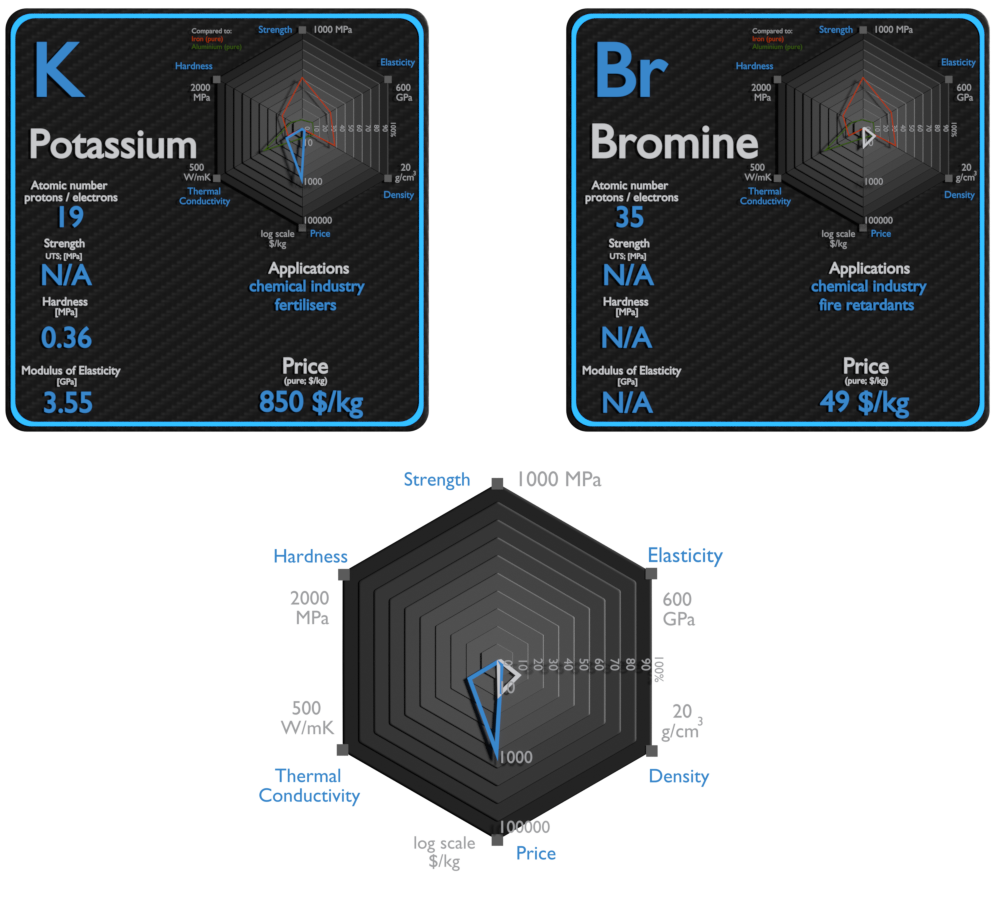
Potassium and Bromine – Comparison – Properties

This article contains comparison of key thermal and atomic properties of potassium and bromine, two comparable chemical elements from the periodic table. It also contains basic descriptions and applications of both elements. Potassium vs Bromine.

potassium and bromine - comparison

Compare potassium with another element

Lithium - Properties - Price - Applications - Production

Oxygen - Properties - Price - Applications - Production

Sodium - Properties - Price - Applications - Production

Magnesium - Properties - Price - Applications - Production

Aluminium - Properties - Price - Applications - Production

Phosphorus - Properties - Price - Applications - Production

Sulfur - Properties - Price - Applications - Production

Calcium - Properties - Price - Applications - Production

Iron - Properties - Price - Applications - Production

Zinc - Properties - Price - Applications - Production

Bromine - Properties - Price - Applications - Production

Compare bromine with another element

Carbon - Properties - Price - Applications - Production

Magnesium - Properties - Price - Applications - Production

Chlorine - Properties - Price - Applications - Production

Potassium - Properties - Price - Applications - Production

Iodine - Properties - Price - Applications - Production

Potassium and Bromine – About Elements

Potassium

Potassium was first isolated from potash, the ashes of plants, from which its name derives. In the periodic table, potassium is one of the alkali metals. All of the alkali metals have a single valence electron in the outer electron shell, which is easily removed to create an ion with a positive charge – a cation, which combines with anions to form salts. Naturally occurring potassium is composed of three isotopes, of which 40K is radioactive. Traces of 40K are found in all potassium, and it is the most common radioisotope in the human body.

Bromine

Bromine is the third-lightest halogen, and is a fuming red-brown liquid at room temperature that evaporates readily to form a similarly coloured gas. Its properties are thus intermediate between those of chlorine and iodine.

Potassium in Periodic Table

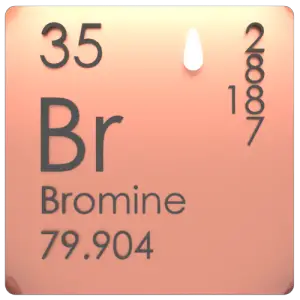
Bromine in Periodic Table

Source: www.luciteria.com

Potassium and Bromine – Applications

Potassium

Potassium (K) is an essential nutrient for plant growth. It’s classified as a macronutrient because plants take up large quantities of K during their life cycle. Agricultural fertilizers consume 95% of global potassium chemical production, and about 90% of this potassium is supplied as KCl. Due to its high degree of reactivity, pure potassium is rarely used in its elemental /metallic form. It is used as a powerful reducing agent in organic chemistry. Potassium/Sodium alloys are It used as a heat exchange medium . The heat in the potassium warms water and makes it hot enough to boil. Then water is changed into steam, which is used to work devices that generate electricity.

Bromine

A wide variety of organobromine compounds are used in industry. Some are prepared from bromine and others are prepared from hydrogen bromide, which is obtained by burning hydrogen in bromine. Brominated flame retardants represent a commodity of growing importance, and make up the largest commercial use of bromine. One of the major uses of bromine is a water purifier/disinfectant, as an alternative to chlorine. Bromine compounds are effective pesticides, used both as soil fumigants in agriculture, particularly fruit-growing, and as a fumigant to prevent pests from attacking stored grain and other produce.

Potassium and Bromine – Comparison in Table

Element Potassium Bromine
Density 0.856 g/cm3 3.12 g/cm3
Ultimate Tensile Strength N/A N/A
Yield Strength N/A N/A
Young’s Modulus of Elasticity 3.53 GPa N/A
Mohs Scale 0.4 N/A
Brinell Hardness 0.36 MPa N/A
Vickers Hardness N/A N/A
Melting Point 63.25 °C -7.3 °C
Boiling Point 760 °C 59 °C
Thermal Conductivity 102.4 W/mK 0.122 W/mK
Thermal Expansion Coefficient 83 µm/mK N/A
Specific Heat 0.75 J/g K 0.473 J/g K
Heat of Fusion 2.334 kJ/mol 5.286 kJ/mol
Heat of Vaporization 79.87 kJ/mol 15.438 kJ/mol


Potassium and Zinc – Comparison – Properties

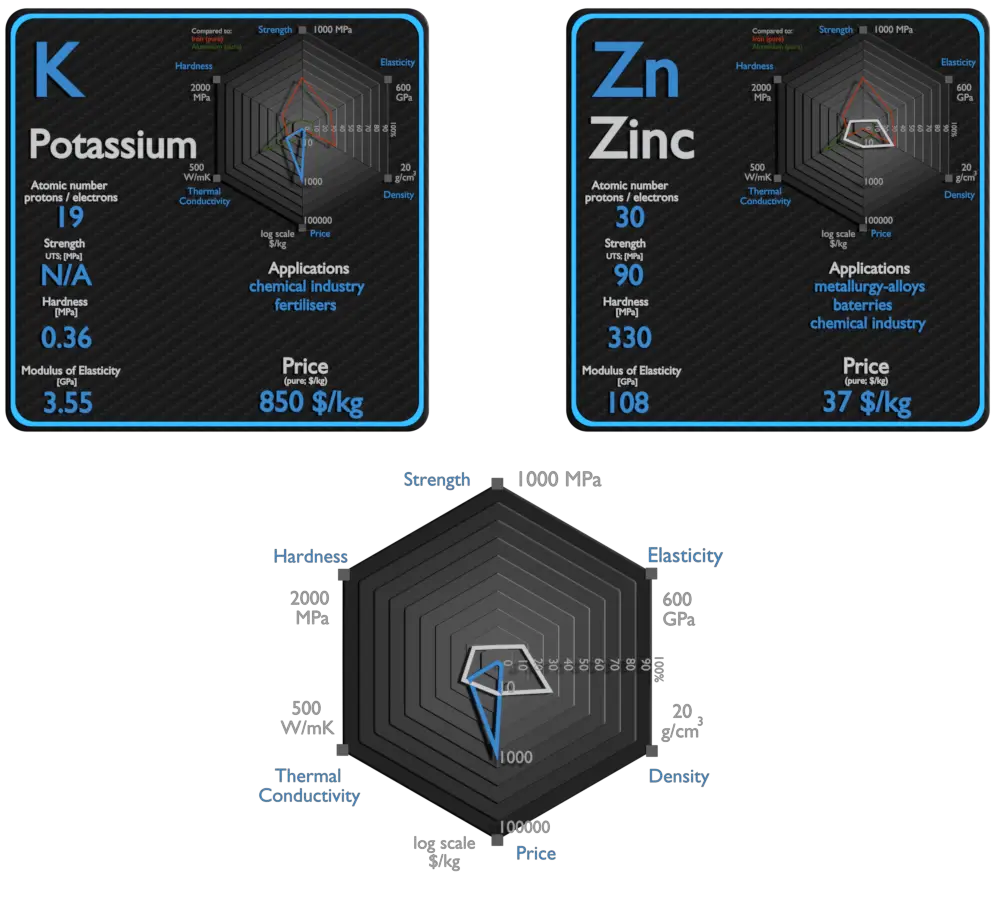
This article contains comparison of key thermal and atomic properties of potassium and zinc, two comparable chemical elements from the periodic table. It also contains basic descriptions and applications of both elements. Potassium vs Zinc.

potassium and zinc - comparison

Compare potassium with another element

Lithium - Properties - Price - Applications - Production

Oxygen - Properties - Price - Applications - Production

Sodium - Properties - Price - Applications - Production

Magnesium - Properties - Price - Applications - Production

Aluminium - Properties - Price - Applications - Production

Phosphorus - Properties - Price - Applications - Production

Sulfur - Properties - Price - Applications - Production

Calcium - Properties - Price - Applications - Production

Iron - Properties - Price - Applications - Production

Zinc - Properties - Price - Applications - Production

Bromine - Properties - Price - Applications - Production

Compare zinc with another element

Magnesium - Properties - Price - Applications - Production

Potassium - Properties - Price - Applications - Production

Titanium - Properties - Price - Applications - Production

Chromium - Properties - Price - Applications - Production

Manganese - Properties - Price - Applications - Production

Iron - Properties - Price - Applications - Production

Cobalt - Properties - Price - Applications - Production

Nickel - Properties - Price - Applications - Production

Indium - Properties - Price - Applications - Production

Selenium - Properties - Price - Applications - Production

Potassium and Zinc – About Elements

Potassium

Potassium was first isolated from potash, the ashes of plants, from which its name derives. In the periodic table, potassium is one of the alkali metals. All of the alkali metals have a single valence electron in the outer electron shell, which is easily removed to create an ion with a positive charge – a cation, which combines with anions to form salts. Naturally occurring potassium is composed of three isotopes, of which 40K is radioactive. Traces of 40K are found in all potassium, and it is the most common radioisotope in the human body.

Zinc

In some respects zinc is chemically similar to magnesium: both elements exhibit only one normal oxidation state (+2), and the Zn2+ and Mg2+ ions are of similar size.

Potassium in Periodic Table

Zinc in Periodic Table

Source: www.luciteria.com

Potassium and Zinc – Applications

Potassium

Potassium (K) is an essential nutrient for plant growth. It’s classified as a macronutrient because plants take up large quantities of K during their life cycle. Agricultural fertilizers consume 95% of global potassium chemical production, and about 90% of this potassium is supplied as KCl. Due to its high degree of reactivity, pure potassium is rarely used in its elemental /metallic form. It is used as a powerful reducing agent in organic chemistry. Potassium/Sodium alloys are It used as a heat exchange medium . The heat in the potassium warms water and makes it hot enough to boil. Then water is changed into steam, which is used to work devices that generate electricity.

Zinc

Corrosion-resistant zinc plating of iron (hot-dip galvanizing) is the major application for zinc. Coating of steel constitutes the largest single use of zinc, but it is used in large tonnages in zinc alloy castings, as zinc dust and oxide, and in wrought zinc products. Galvanized steel is just plain carbon steel that has been coated with a thin zinc layer. The zinc protects iron by corroding first, but zinc corrodes at much lower rates than do steel. Other applications are in electrical batteries, small non-structural castings, and alloys such as brass. A variety of zinc compounds are commonly used, such as zinc carbonate and zinc gluconate (as dietary supplements), zinc chloride (in deodorants), zinc pyrithione (anti-dandruff shampoos), zinc sulfide (in luminescent paints), and dimethylzinc or diethylzinc in the organic laboratory. A key part of the modern materials world in which zinc finds itself is recycling. Zinc, in common with all metals (and unlike synthetic materials) can be recycled indefinitely without degradation.

Potassium and Zinc – Comparison in Table

Element Potassium Zinc
Density 0.856 g/cm3 7.14 g/cm3
Ultimate Tensile Strength N/A 90 MPa
Yield Strength N/A 75 MPa
Young’s Modulus of Elasticity 3.53 GPa 108 GPa
Mohs Scale 0.4 2.5
Brinell Hardness 0.36 MPa 330 MPa
Vickers Hardness N/A N/A
Melting Point 63.25 °C 419.53 °C
Boiling Point 760 °C 907 °C
Thermal Conductivity 102.4 W/mK 116 W/mK
Thermal Expansion Coefficient 83 µm/mK 30.2 µm/mK
Specific Heat 0.75 J/g K 0.39 J/g K
Heat of Fusion 2.334 kJ/mol 7.322 kJ/mol
Heat of Vaporization 79.87 kJ/mol 115.3 kJ/mol


Potassium and Calcium – Comparison – Properties

This article contains comparison of key thermal and atomic properties of potassium and calcium, two comparable chemical elements from the periodic table. It also contains basic descriptions and applications of both elements. Potassium vs Calcium.

potassium and calcium - comparison

Compare potassium with another element

Lithium - Properties - Price - Applications - Production

Oxygen - Properties - Price - Applications - Production

Sodium - Properties - Price - Applications - Production

Magnesium - Properties - Price - Applications - Production

Aluminium - Properties - Price - Applications - Production

Phosphorus - Properties - Price - Applications - Production

Sulfur - Properties - Price - Applications - Production

Calcium - Properties - Price - Applications - Production

Iron - Properties - Price - Applications - Production

Zinc - Properties - Price - Applications - Production

Bromine - Properties - Price - Applications - Production

Compare calcium with another element

Hydrogen - Properties - Price - Applications - Production

Lithium - Properties - Price - Applications - Production

Oxygen - Properties - Price - Applications - Production

Fluorine - Properties - Price - Applications - Production

Sodium - Properties - Price - Applications - Production

Magnesium - Properties - Price - Applications - Production

Phosphorus - Properties - Price - Applications - Production

Sulfur - Properties - Price - Applications - Production

Chlorine - Properties - Price - Applications - Production

Potassium - Properties - Price - Applications - Production

Iron - Properties - Price - Applications - Production

Potassium and Calcium – About Elements

Potassium

Potassium was first isolated from potash, the ashes of plants, from which its name derives. In the periodic table, potassium is one of the alkali metals. All of the alkali metals have a single valence electron in the outer electron shell, which is easily removed to create an ion with a positive charge – a cation, which combines with anions to form salts. Naturally occurring potassium is composed of three isotopes, of which 40K is radioactive. Traces of 40K are found in all potassium, and it is the most common radioisotope in the human body.

Calcium

Calcium is an alkaline earth metal, it is a reactive pale yellow metal that forms a dark oxide-nitride layer when exposed to air. Its physical and chemical properties are most similar to its heavier homologues strontium and barium. It is the fifth most abundant element in Earth’s crust and the third most abundant metal, after iron and aluminium.

Potassium in Periodic Table

Calcium in Periodic Table

Source: www.luciteria.com

Potassium and Calcium – Applications

Potassium

Potassium (K) is an essential nutrient for plant growth. It’s classified as a macronutrient because plants take up large quantities of K during their life cycle. Agricultural fertilizers consume 95% of global potassium chemical production, and about 90% of this potassium is supplied as KCl. Due to its high degree of reactivity, pure potassium is rarely used in its elemental /metallic form. It is used as a powerful reducing agent in organic chemistry. Potassium/Sodium alloys are It used as a heat exchange medium . The heat in the potassium warms water and makes it hot enough to boil. Then water is changed into steam, which is used to work devices that generate electricity.

Calcium

The largest use of metallic calcium is in steelmaking, due to its strong chemical affinity for oxygen and sulfur. Its oxides and sulfides, once formed, give liquid lime aluminate and sulfide inclusions in steel which float out. Calcium compounds are used as manufacture of insecticides, paints, blackboard chalk, textile and fireworks.

Potassium and Calcium – Comparison in Table

Element Potassium Calcium
Density 0.856 g/cm3 1.55 g/cm3
Ultimate Tensile Strength N/A 110 MPa
Yield Strength N/A N/A
Young’s Modulus of Elasticity 3.53 GPa 20 GPa
Mohs Scale 0.4 1.5
Brinell Hardness 0.36 MPa 170 – 400 MPa
Vickers Hardness N/A N/A
Melting Point 63.25 °C 842 °C
Boiling Point 760 °C 1484 °C
Thermal Conductivity 102.4 W/mK 200 W/mK
Thermal Expansion Coefficient 83 µm/mK 22.3 µm/mK
Specific Heat 0.75 J/g K 0.63 J/g K
Heat of Fusion 2.334 kJ/mol 8.54 kJ/mol
Heat of Vaporization 79.87 kJ/mol 153.3 kJ/mol


Potassium and Iron – Comparison – Properties

This article contains comparison of key thermal and atomic properties of potassium and iron, two comparable chemical elements from the periodic table. It also contains basic descriptions and applications of both elements. Potassium vs Iron.

potassium and iron - comparison

Compare potassium with another element

Lithium - Properties - Price - Applications - Production

Oxygen - Properties - Price - Applications - Production

Sodium - Properties - Price - Applications - Production

Magnesium - Properties - Price - Applications - Production

Aluminium - Properties - Price - Applications - Production

Phosphorus - Properties - Price - Applications - Production

Sulfur - Properties - Price - Applications - Production

Calcium - Properties - Price - Applications - Production

Iron - Properties - Price - Applications - Production

Zinc - Properties - Price - Applications - Production

Bromine - Properties - Price - Applications - Production

Compare iron with another element

Carbon - Properties - Price - Applications - Production

Oxygen - Properties - Price - Applications - Production

Fluorine - Properties - Price - Applications - Production

Magnesium - Properties - Price - Applications - Production

Aluminium - Properties - Price - Applications - Production

Chlorine - Properties - Price - Applications - Production

Potassium - Properties - Price - Applications - Production

Calcium - Properties - Price - Applications - Production

Chromium - Properties - Price - Applications - Production

Manganese - Properties - Price - Applications - Production

Cobalt - Properties - Price - Applications - Production

Nickel - Properties - Price - Applications - Production

Copper - Properties - Price - Applications - Production

Zinc - Properties - Price - Applications - Production

Zirconium - Properties - Price - Applications - Production

Lead - Properties - Price - Applications - Production

Potassium and Iron – About Elements

Potassium

Potassium was first isolated from potash, the ashes of plants, from which its name derives. In the periodic table, potassium is one of the alkali metals. All of the alkali metals have a single valence electron in the outer electron shell, which is easily removed to create an ion with a positive charge – a cation, which combines with anions to form salts. Naturally occurring potassium is composed of three isotopes, of which 40K is radioactive. Traces of 40K are found in all potassium, and it is the most common radioisotope in the human body.

Iron

Iron is a metal in the first transition series. It is by mass the most common element on Earth, forming much of Earth’s outer and inner core. It is the fourth most common element in the Earth’s crust. Its abundance in rocky planets like Earth is due to its abundant production by fusion in high-mass stars.

Potassium in Periodic Table

Iron in Periodic Table

Source: www.luciteria.com

Potassium and Iron – Applications

Potassium

Potassium (K) is an essential nutrient for plant growth. It’s classified as a macronutrient because plants take up large quantities of K during their life cycle. Agricultural fertilizers consume 95% of global potassium chemical production, and about 90% of this potassium is supplied as KCl. Due to its high degree of reactivity, pure potassium is rarely used in its elemental /metallic form. It is used as a powerful reducing agent in organic chemistry. Potassium/Sodium alloys are It used as a heat exchange medium . The heat in the potassium warms water and makes it hot enough to boil. Then water is changed into steam, which is used to work devices that generate electricity.

Iron

Iron is used in numerous sectors such as electronics, manufacturing, automotive, and construction and building. Iron is the most widely used of all the metals, accounting for over 90% of worldwide metal produc0tion. Its low cost and high strength often make it the material of choice material to withstand stress or transmit forces, such as the construction of machinery and machine tools, rails, automobiles, ship hulls, concrete reinforcing bars, and the load-carrying framework of buildings. Since pure iron is quite soft, it is most commonly combined with alloying elements to make steel. Steels are iron–carbon alloys that may contain appreciable concentrations of other alloying elements. Adding a small amount of non-metallic carbon to iron trades its great ductility for the greater strength. Due to its very-high strength, but still substantial toughness, and its ability to be greatly altered by heat treatment, steel is one of the most useful and common ferrous alloy in modern use. There are thousands of alloys that have different compositions and/or heat treatments. The mechanical properties are sensitive to the content of carbon, which is normally less than 1.0 wt%.

Potassium and Iron – Comparison in Table

Element Potassium Iron
Density 0.856 g/cm3 7.874 g/cm3
Ultimate Tensile Strength N/A 540 MPa
Yield Strength N/A 50 MPa
Young’s Modulus of Elasticity 3.53 GPa 211 GPa
Mohs Scale 0.4 4.5
Brinell Hardness 0.36 MPa 490 MPa
Vickers Hardness N/A 608 MPa
Melting Point 63.25 °C 1538 °C
Boiling Point 760 °C 2861 °C
Thermal Conductivity 102.4 W/mK 80.2 W/mK
Thermal Expansion Coefficient 83 µm/mK 11.8 µm/mK
Specific Heat 0.75 J/g K 0.44 J/g K
Heat of Fusion 2.334 kJ/mol 13.8 kJ/mol
Heat of Vaporization 79.87 kJ/mol 349.6 kJ/mol


Calcium and Iron – Comparison – Properties

This article contains comparison of key thermal and atomic properties of calcium and iron, two comparable chemical elements from the periodic table. It also contains basic descriptions and applications of both elements. Calcium vs Iron.

calcium and iron - comparison

Compare calcium with another element

Hydrogen - Properties - Price - Applications - Production

Lithium - Properties - Price - Applications - Production

Oxygen - Properties - Price - Applications - Production

Fluorine - Properties - Price - Applications - Production

Sodium - Properties - Price - Applications - Production

Magnesium - Properties - Price - Applications - Production

Phosphorus - Properties - Price - Applications - Production

Sulfur - Properties - Price - Applications - Production

Chlorine - Properties - Price - Applications - Production

Potassium - Properties - Price - Applications - Production

Iron - Properties - Price - Applications - Production

Compare iron with another element

Carbon - Properties - Price - Applications - Production

Oxygen - Properties - Price - Applications - Production

Fluorine - Properties - Price - Applications - Production

Magnesium - Properties - Price - Applications - Production

Aluminium - Properties - Price - Applications - Production

Chlorine - Properties - Price - Applications - Production

Potassium - Properties - Price - Applications - Production

Calcium - Properties - Price - Applications - Production

Chromium - Properties - Price - Applications - Production

Manganese - Properties - Price - Applications - Production

Cobalt - Properties - Price - Applications - Production

Nickel - Properties - Price - Applications - Production

Copper - Properties - Price - Applications - Production

Zinc - Properties - Price - Applications - Production

Zirconium - Properties - Price - Applications - Production

Lead - Properties - Price - Applications - Production

Calcium and Iron – About Elements

Calcium

Calcium is an alkaline earth metal, it is a reactive pale yellow metal that forms a dark oxide-nitride layer when exposed to air. Its physical and chemical properties are most similar to its heavier homologues strontium and barium. It is the fifth most abundant element in Earth’s crust and the third most abundant metal, after iron and aluminium.

Iron

Iron is a metal in the first transition series. It is by mass the most common element on Earth, forming much of Earth’s outer and inner core. It is the fourth most common element in the Earth’s crust. Its abundance in rocky planets like Earth is due to its abundant production by fusion in high-mass stars.

Calcium in Periodic Table

Iron in Periodic Table

Source: www.luciteria.com

Calcium and Iron – Applications

Calcium

The largest use of metallic calcium is in steelmaking, due to its strong chemical affinity for oxygen and sulfur. Its oxides and sulfides, once formed, give liquid lime aluminate and sulfide inclusions in steel which float out. Calcium compounds are used as manufacture of insecticides, paints, blackboard chalk, textile and fireworks.

Iron

Iron is used in numerous sectors such as electronics, manufacturing, automotive, and construction and building. Iron is the most widely used of all the metals, accounting for over 90% of worldwide metal produc0tion. Its low cost and high strength often make it the material of choice material to withstand stress or transmit forces, such as the construction of machinery and machine tools, rails, automobiles, ship hulls, concrete reinforcing bars, and the load-carrying framework of buildings. Since pure iron is quite soft, it is most commonly combined with alloying elements to make steel. Steels are iron–carbon alloys that may contain appreciable concentrations of other alloying elements. Adding a small amount of non-metallic carbon to iron trades its great ductility for the greater strength. Due to its very-high strength, but still substantial toughness, and its ability to be greatly altered by heat treatment, steel is one of the most useful and common ferrous alloy in modern use. There are thousands of alloys that have different compositions and/or heat treatments. The mechanical properties are sensitive to the content of carbon, which is normally less than 1.0 wt%.

Calcium and Iron – Comparison in Table

Element Calcium Iron
Density 1.55 g/cm3 7.874 g/cm3
Ultimate Tensile Strength 110 MPa 540 MPa
Yield Strength N/A 50 MPa
Young’s Modulus of Elasticity 20 GPa 211 GPa
Mohs Scale 1.5 4.5
Brinell Hardness 170 – 400 MPa 490 MPa
Vickers Hardness N/A 608 MPa
Melting Point 842 °C 1538 °C
Boiling Point 1484 °C 2861 °C
Thermal Conductivity 200 W/mK 80.2 W/mK
Thermal Expansion Coefficient 22.3 µm/mK 11.8 µm/mK
Specific Heat 0.63 J/g K 0.44 J/g K
Heat of Fusion 8.54 kJ/mol 13.8 kJ/mol
Heat of Vaporization 153.3 kJ/mol 349.6 kJ/mol