Facebook Instagram Youtube Twitter

Argon and Krypton – Comparison – Properties

This article contains comparison of key thermal and atomic properties of argon and krypton, two comparable chemical elements from the periodic table. It also contains basic descriptions and applications of both elements. Argon vs Krypton.

argon and krypton - comparison

Compare argon with another element

Helium - Properties - Price - Applications - Production

Neon - Properties - Price - Applications - Production

Krypton - Properties - Price - Applications - Production

Compare krypton with another element

Argon - Properties - Price - Applications - Production

Xenon - Properties - Price - Applications - Production

Argon and Krypton – About Elements

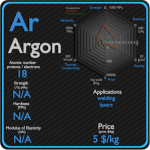
Argon

Argon is the third-most abundant gas in the Earth’s atmosphere, at 0.934% (9340 ppmv). It is more than twice as abundant as water vapor (which averages about 4000 ppmv, but varies greatly), 23 times as abundant as carbon dioxide (400 ppmv), and more than 500 times as abundant as neon (18 ppmv). Argon is mostly used as an inert shielding gas in welding and other high-temperature industrial processes where ordinarily unreactive substances become reactive; for example, an argon atmosphere is used in graphite electric furnaces to prevent the graphite from burning.

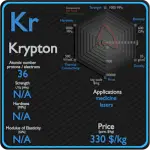
Krypton

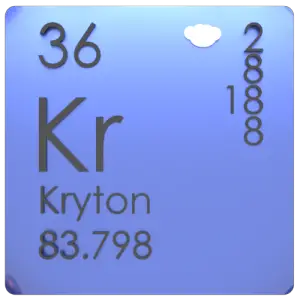
Krypton is a member of group 18 (noble gases) elements. A colorless, odorless, tasteless noble gas, krypton occurs in trace amounts in the atmosphere and is often used with other rare gases in fluorescent lamps.

Argon in Periodic Table

Krypton in Periodic Table

Source: www.luciteria.com

Argon and Krypton – Applications

Argon

The major applications of argon include the following: electric lamps as filler gas, welding purpose, discharge tubes, argon lasers and argon-dye lasers. Argon is mostly used as an inert shielding gas in welding and other high-temperature industrial processes where ordinarily unreactive substances become reactive; for example, an argon atmosphere is used in graphite electric furnaces to prevent the graphite from burning. Argon is also used in incandescent, fluorescent lighting, and other gas-discharge tubes.

Krypton

Krypton’s multiple emission lines make ionized krypton gas discharges appear whitish, which in turn makes krypton-based bulbs useful in photography as a white light source. Krypton is used in some photographic flashes for high speed photography. Krypton is also used in MRI/CT techniques.

Argon and Krypton – Comparison in Table

Element Argon Krypton
Density 0.00178 g/cm3 0.00375 g/cm3
Ultimate Tensile Strength N/A N/A
Yield Strength N/A N/A
Young’s Modulus of Elasticity N/A N/A
Mohs Scale N/A N/A
Brinell Hardness N/A N/A
Vickers Hardness N/A N/A
Melting Point -189.2 °C -157.36 °C
Boiling Point -185.7 °C -153.22 °C
Thermal Conductivity 0.01772 W/mK 0.00949 W/mK
Thermal Expansion Coefficient N/A N/A
Specific Heat 0.52 J/g K 0.248 J/g K
Heat of Fusion 1.188 kJ/mol 1.638 kJ/mol
Heat of Vaporization 6.447 kJ/mol 9.029 kJ/mol


Chlorine and Iodine – Comparison – Properties

This article contains comparison of key thermal and atomic properties of chlorine and iodine, two comparable chemical elements from the periodic table. It also contains basic descriptions and applications of both elements. Chlorine vs Iodine.

chlorine and iodine - comparison

Compare chlorine with another element

Beryllium - Properties - Price - Applications - Production

Boron - Properties - Price - Applications - Production

Carbon - Properties - Price - Applications - Production

Oxygen - Properties - Price - Applications - Production

Fluorine - Properties - Price - Applications - Production

Sodium - Properties - Price - Applications - Production

Magnesium - Properties - Price - Applications - Production

Aluminium - Properties - Price - Applications - Production

Calcium - Properties - Price - Applications - Production

Caesium - Properties - Price - Applications - Production

Barium - Properties - Price - Applications - Production

Copper - Properties - Price - Applications - Production

Silver - Properties - Price - Applications - Production

Iron - Properties - Price - Applications - Production

Bromine - Properties - Price - Applications - Production

Iodine - Properties - Price - Applications - Production

Compare iodine with another element

Chlorine - Properties - Price - Applications - Production

Selenium - Properties - Price - Applications - Production

Bromine - Properties - Price - Applications - Production

Rubidium - Properties - Price - Applications - Production

Strontium - Properties - Price - Applications - Production

Mercury - Properties - Price - Applications - Production

Caesium - Properties - Price - Applications - Production

Chlorine and Iodine – About Elements

Chlorine

Chlorine is a yellow-green gas at room temperature. It is an extremely reactive element and a strong oxidising agent: among the elements, it has the highest electron affinity and the third-highest electronegativity, behind only oxygen and fluorine.

Iodine

Iodine is the heaviest of the stable halogens, it exists as a lustrous, purple-black metallic solid at standard conditions that sublimes readily to form a violet gas. Iodine is the least abundant of the stable halogens, being the sixty-first most abundant element. It is even less abundant than the so-called rare earths. It is the heaviest essential mineral nutrient.

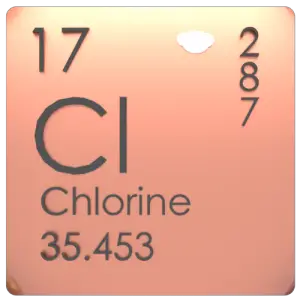
Chlorine in Periodic Table

Iodine in Periodic Table

Source: www.luciteria.com

Chlorine and Iodine – Applications

Chlorine

Chlorine is used in the manufacture of a wide range of consumer products, about two-thirds of them organic chemicals such as polyvinyl chloride (PVC), many intermediates for the production of plastics, and other end products which do not contain the element. As a common disinfectant, elemental chlorine and chlorine-generating compounds are used more directly in swimming pools to keep them sanitary. While perhaps best known for its role in providing clean drinking water, chlorine chemistry also helps provide energy-efficient building materials, electronics, fiber optics, solar energy cells, 93 percent of life-saving pharmaceuticals, 86 percent of crop protection compounds, medical plastics, and much more.

Iodine

In addition to nutrition products, iodine and iodine derivatives are used in a wide range of medical, agricultural, and industrial applications. About half of all produced iodine goes into various organoiodine compounds, another 15% remains as the pure element, another 15% is used to form potassium iodide, and another 15% for other inorganic iodine compounds. The leading application is in the production of X-ray contrast media (22%). Iodine’s high atomic number and density make it ideally suited for this application, as its presence in the body can help to increase contrast between tissues, organs, and blood vessels with similar X-ray densities. It is used as an antiseptic for external wounds. Another application driving the demand for iodine is in polarizing film in liquidcrystal display (LCD) screens.

Chlorine and Iodine – Comparison in Table

Element Chlorine Iodine
Density 0.0032 g/cm3 4.94 g/cm3
Ultimate Tensile Strength N/A N/A
Yield Strength N/A N/A
Young’s Modulus of Elasticity N/A N/A
Mohs Scale N/A N/A
Brinell Hardness N/A N/A
Vickers Hardness N/A N/A
Melting Point -101 °C 113.5 °C
Boiling Point -34.6 °C 184 °C
Thermal Conductivity 0.0089 W/mK 0.449 W/mK
Thermal Expansion Coefficient N/A N/A
Specific Heat 0.48 J/g K 0.214 J/g K
Heat of Fusion 3.23 kJ/mol 7.824 kJ/mol
Heat of Vaporization 10.2 kJ/mol 20.752 kJ/mol


Chlorine and Bromine – Comparison – Properties

This article contains comparison of key thermal and atomic properties of chlorine and bromine, two comparable chemical elements from the periodic table. It also contains basic descriptions and applications of both elements. Chlorine vs Bromine.

chlorine and bromine - comparison

Compare chlorine with another element

Beryllium - Properties - Price - Applications - Production

Boron - Properties - Price - Applications - Production

Carbon - Properties - Price - Applications - Production

Oxygen - Properties - Price - Applications - Production

Fluorine - Properties - Price - Applications - Production

Sodium - Properties - Price - Applications - Production

Magnesium - Properties - Price - Applications - Production

Aluminium - Properties - Price - Applications - Production

Calcium - Properties - Price - Applications - Production

Caesium - Properties - Price - Applications - Production

Barium - Properties - Price - Applications - Production

Copper - Properties - Price - Applications - Production

Silver - Properties - Price - Applications - Production

Iron - Properties - Price - Applications - Production

Bromine - Properties - Price - Applications - Production

Iodine - Properties - Price - Applications - Production

Compare bromine with another element

Carbon - Properties - Price - Applications - Production

Magnesium - Properties - Price - Applications - Production

Chlorine - Properties - Price - Applications - Production

Potassium - Properties - Price - Applications - Production

Iodine - Properties - Price - Applications - Production

Chlorine and Bromine – About Elements

Chlorine

Chlorine is a yellow-green gas at room temperature. It is an extremely reactive element and a strong oxidising agent: among the elements, it has the highest electron affinity and the third-highest electronegativity, behind only oxygen and fluorine.

Bromine

Bromine is the third-lightest halogen, and is a fuming red-brown liquid at room temperature that evaporates readily to form a similarly coloured gas. Its properties are thus intermediate between those of chlorine and iodine.

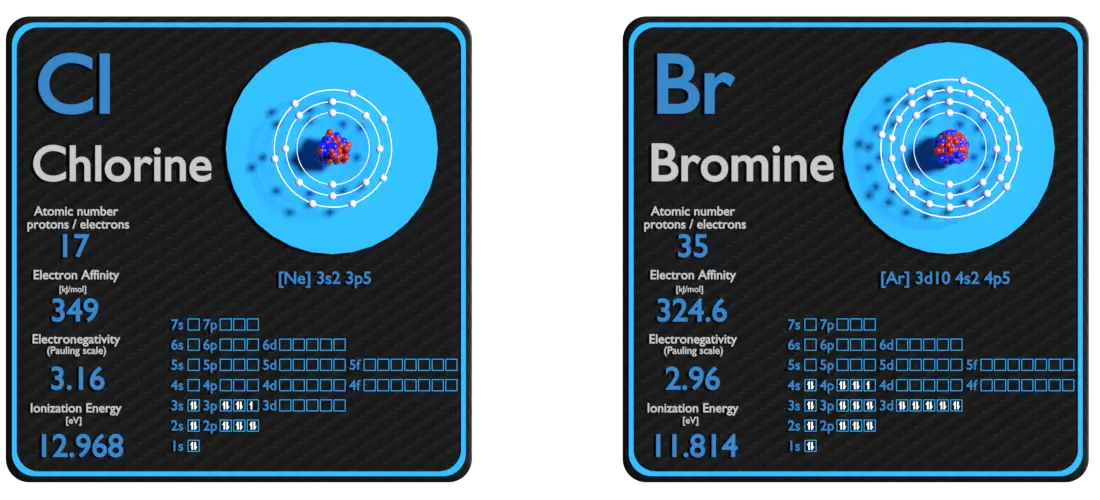
Chlorine in Periodic Table

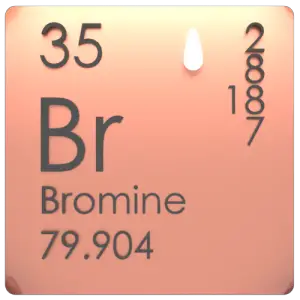
Bromine in Periodic Table

Source: www.luciteria.com

Chlorine and Bromine – Applications

Chlorine

Chlorine is used in the manufacture of a wide range of consumer products, about two-thirds of them organic chemicals such as polyvinyl chloride (PVC), many intermediates for the production of plastics, and other end products which do not contain the element. As a common disinfectant, elemental chlorine and chlorine-generating compounds are used more directly in swimming pools to keep them sanitary. While perhaps best known for its role in providing clean drinking water, chlorine chemistry also helps provide energy-efficient building materials, electronics, fiber optics, solar energy cells, 93 percent of life-saving pharmaceuticals, 86 percent of crop protection compounds, medical plastics, and much more.

Bromine

A wide variety of organobromine compounds are used in industry. Some are prepared from bromine and others are prepared from hydrogen bromide, which is obtained by burning hydrogen in bromine. Brominated flame retardants represent a commodity of growing importance, and make up the largest commercial use of bromine. One of the major uses of bromine is a water purifier/disinfectant, as an alternative to chlorine. Bromine compounds are effective pesticides, used both as soil fumigants in agriculture, particularly fruit-growing, and as a fumigant to prevent pests from attacking stored grain and other produce.

Chlorine and Bromine – Comparison in Table

Element Chlorine Bromine
Density 0.0032 g/cm3 3.12 g/cm3
Ultimate Tensile Strength N/A N/A
Yield Strength N/A N/A
Young’s Modulus of Elasticity N/A N/A
Mohs Scale N/A N/A
Brinell Hardness N/A N/A
Vickers Hardness N/A N/A
Melting Point -101 °C -7.3 °C
Boiling Point -34.6 °C 59 °C
Thermal Conductivity 0.0089 W/mK 0.122 W/mK
Thermal Expansion Coefficient N/A N/A
Specific Heat 0.48 J/g K 0.473 J/g K
Heat of Fusion 3.23 kJ/mol 5.286 kJ/mol
Heat of Vaporization 10.2 kJ/mol 15.438 kJ/mol


Chlorine and Iron – Comparison – Properties

This article contains comparison of key thermal and atomic properties of chlorine and iron, two comparable chemical elements from the periodic table. It also contains basic descriptions and applications of both elements. Chlorine vs Iron.

chlorine and iron - comparison

Compare chlorine with another element

Beryllium - Properties - Price - Applications - Production

Boron - Properties - Price - Applications - Production

Carbon - Properties - Price - Applications - Production

Oxygen - Properties - Price - Applications - Production

Fluorine - Properties - Price - Applications - Production

Sodium - Properties - Price - Applications - Production

Magnesium - Properties - Price - Applications - Production

Aluminium - Properties - Price - Applications - Production

Calcium - Properties - Price - Applications - Production

Caesium - Properties - Price - Applications - Production

Barium - Properties - Price - Applications - Production

Copper - Properties - Price - Applications - Production

Silver - Properties - Price - Applications - Production

Iron - Properties - Price - Applications - Production

Bromine - Properties - Price - Applications - Production

Iodine - Properties - Price - Applications - Production

Compare iron with another element

Carbon - Properties - Price - Applications - Production

Oxygen - Properties - Price - Applications - Production

Fluorine - Properties - Price - Applications - Production

Magnesium - Properties - Price - Applications - Production

Aluminium - Properties - Price - Applications - Production

Chlorine - Properties - Price - Applications - Production

Potassium - Properties - Price - Applications - Production

Calcium - Properties - Price - Applications - Production

Chromium - Properties - Price - Applications - Production

Manganese - Properties - Price - Applications - Production

Cobalt - Properties - Price - Applications - Production

Nickel - Properties - Price - Applications - Production

Copper - Properties - Price - Applications - Production

Zinc - Properties - Price - Applications - Production

Zirconium - Properties - Price - Applications - Production

Lead - Properties - Price - Applications - Production

Chlorine and Iron – About Elements

Chlorine

Chlorine is a yellow-green gas at room temperature. It is an extremely reactive element and a strong oxidising agent: among the elements, it has the highest electron affinity and the third-highest electronegativity, behind only oxygen and fluorine.

Iron

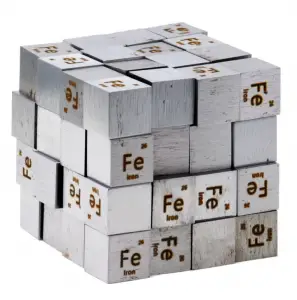
Iron is a metal in the first transition series. It is by mass the most common element on Earth, forming much of Earth’s outer and inner core. It is the fourth most common element in the Earth’s crust. Its abundance in rocky planets like Earth is due to its abundant production by fusion in high-mass stars.

Chlorine in Periodic Table

Iron in Periodic Table

Source: www.luciteria.com

Chlorine and Iron – Applications

Chlorine

Chlorine is used in the manufacture of a wide range of consumer products, about two-thirds of them organic chemicals such as polyvinyl chloride (PVC), many intermediates for the production of plastics, and other end products which do not contain the element. As a common disinfectant, elemental chlorine and chlorine-generating compounds are used more directly in swimming pools to keep them sanitary. While perhaps best known for its role in providing clean drinking water, chlorine chemistry also helps provide energy-efficient building materials, electronics, fiber optics, solar energy cells, 93 percent of life-saving pharmaceuticals, 86 percent of crop protection compounds, medical plastics, and much more.

Iron

Iron is used in numerous sectors such as electronics, manufacturing, automotive, and construction and building. Iron is the most widely used of all the metals, accounting for over 90% of worldwide metal produc0tion. Its low cost and high strength often make it the material of choice material to withstand stress or transmit forces, such as the construction of machinery and machine tools, rails, automobiles, ship hulls, concrete reinforcing bars, and the load-carrying framework of buildings. Since pure iron is quite soft, it is most commonly combined with alloying elements to make steel. Steels are iron–carbon alloys that may contain appreciable concentrations of other alloying elements. Adding a small amount of non-metallic carbon to iron trades its great ductility for the greater strength. Due to its very-high strength, but still substantial toughness, and its ability to be greatly altered by heat treatment, steel is one of the most useful and common ferrous alloy in modern use. There are thousands of alloys that have different compositions and/or heat treatments. The mechanical properties are sensitive to the content of carbon, which is normally less than 1.0 wt%.

Chlorine and Iron – Comparison in Table

Element Chlorine Iron
Density 0.0032 g/cm3 7.874 g/cm3
Ultimate Tensile Strength N/A 540 MPa
Yield Strength N/A 50 MPa
Young’s Modulus of Elasticity N/A 211 GPa
Mohs Scale N/A 4.5
Brinell Hardness N/A 490 MPa
Vickers Hardness N/A 608 MPa
Melting Point -101 °C 1538 °C
Boiling Point -34.6 °C 2861 °C
Thermal Conductivity 0.0089 W/mK 80.2 W/mK
Thermal Expansion Coefficient N/A 11.8 µm/mK
Specific Heat 0.48 J/g K 0.44 J/g K
Heat of Fusion 3.23 kJ/mol 13.8 kJ/mol
Heat of Vaporization 10.2 kJ/mol 349.6 kJ/mol


Chlorine and Silver – Comparison – Properties

This article contains comparison of key thermal and atomic properties of chlorine and silver, two comparable chemical elements from the periodic table. It also contains basic descriptions and applications of both elements. Chlorine vs Silver.

Compare chlorine with another element

Beryllium - Properties - Price - Applications - Production

Boron - Properties - Price - Applications - Production

Carbon - Properties - Price - Applications - Production

Oxygen - Properties - Price - Applications - Production

Fluorine - Properties - Price - Applications - Production

Sodium - Properties - Price - Applications - Production

Magnesium - Properties - Price - Applications - Production

Aluminium - Properties - Price - Applications - Production

Calcium - Properties - Price - Applications - Production

Caesium - Properties - Price - Applications - Production

Barium - Properties - Price - Applications - Production

Copper - Properties - Price - Applications - Production

Silver - Properties - Price - Applications - Production

Iron - Properties - Price - Applications - Production

Bromine - Properties - Price - Applications - Production

Iodine - Properties - Price - Applications - Production

Compare silver with another element

Chlorine - Properties - Price - Applications - Production

Cobalt - Properties - Price - Applications - Production

Nickel - Properties - Price - Applications - Production

Copper - Properties - Price - Applications - Production

Rhodium - Properties - Price - Applications - Production

Palladium - Properties - Price - Applications - Production

Gold - Properties - Price - Applications - Production

Platinum - Properties - Price - Applications - Production

Chlorine and Silver – About Elements

Chlorine

Chlorine is a yellow-green gas at room temperature. It is an extremely reactive element and a strong oxidising agent: among the elements, it has the highest electron affinity and the third-highest electronegativity, behind only oxygen and fluorine.

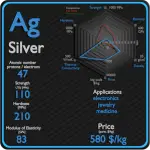
Silver

Silver is a soft, white, lustrous transition metal, it exhibits the highest electrical conductivity, thermal conductivity, and reflectivity of any metal. The metal is found in the Earth’s crust in the pure, free elemental form (“native silver”), as an alloy with gold and other metals, and in minerals such as argentite and chlorargyrite. Most silver is produced as a byproduct of copper, gold, lead, and zinc refining.

Chlorine in Periodic Table

Silver in Periodic Table

Source: www.luciteria.com

Chlorine and Silver – Applications

Chlorine

Chlorine is used in the manufacture of a wide range of consumer products, about two-thirds of them organic chemicals such as polyvinyl chloride (PVC), many intermediates for the production of plastics, and other end products which do not contain the element. As a common disinfectant, elemental chlorine and chlorine-generating compounds are used more directly in swimming pools to keep them sanitary. While perhaps best known for its role in providing clean drinking water, chlorine chemistry also helps provide energy-efficient building materials, electronics, fiber optics, solar energy cells, 93 percent of life-saving pharmaceuticals, 86 percent of crop protection compounds, medical plastics, and much more.

Silver

Silver has long been valued as a precious metal. Silver metal is used in many bullion coins, sometimes alongside gold. Silver has many important, far-reaching technological and electronic applications. It’s used in everything from cell phones, computers and semiconductors to automobiles, water-purification systems and—because it is the best conductor of heat of all elements—spacecraft solar radiation tiles. Silver is of the upmost importance in photography (where approximately 30% of the U.S. Industrial consumption goes into this application). The medical uses of silver include its use in wound dressings, creams, and as an antibiotic coating on medical devices. Wound dressings containing silver sulfadiazine or silver nanomaterials may be used on external infections.

Chlorine and Silver – Comparison in Table

Element Chlorine Silver
Density 0.0032 g/cm3 10.49 g/cm3
Ultimate Tensile Strength N/A 110 MPa
Yield Strength N/A 45 MPa
Young’s Modulus of Elasticity N/A 83 GPa
Mohs Scale N/A 3.25
Brinell Hardness N/A 210 MPa
Vickers Hardness N/A 251 MPa
Melting Point -101 °C 961.78 °C
Boiling Point -34.6 °C 2162 °C
Thermal Conductivity 0.0089 W/mK 430 W/mK
Thermal Expansion Coefficient N/A 18.9 µm/mK
Specific Heat 0.48 J/g K 0.235 J/g K
Heat of Fusion 3.23 kJ/mol 11.3 kJ/mol
Heat of Vaporization 10.2 kJ/mol 250.58 kJ/mol


Chlorine and Copper – Comparison – Properties

This article contains comparison of key thermal and atomic properties of chlorine and copper, two comparable chemical elements from the periodic table. It also contains basic descriptions and applications of both elements. Chlorine vs Copper.

chlorine and copper - comparison

Compare chlorine with another element

Beryllium - Properties - Price - Applications - Production

Boron - Properties - Price - Applications - Production

Carbon - Properties - Price - Applications - Production

Oxygen - Properties - Price - Applications - Production

Fluorine - Properties - Price - Applications - Production

Sodium - Properties - Price - Applications - Production

Magnesium - Properties - Price - Applications - Production

Aluminium - Properties - Price - Applications - Production

Calcium - Properties - Price - Applications - Production

Caesium - Properties - Price - Applications - Production

Barium - Properties - Price - Applications - Production

Copper - Properties - Price - Applications - Production

Silver - Properties - Price - Applications - Production

Iron - Properties - Price - Applications - Production

Bromine - Properties - Price - Applications - Production

Iodine - Properties - Price - Applications - Production

Compare copper with another element

Beryllium - Properties - Price - Applications - Production

Magnesium - Properties - Price - Applications - Production

Aluminium - Properties - Price - Applications - Production

Silicon - Properties - Price - Applications - Production

Chlorine - Properties - Price - Applications - Production

Titanium - Properties - Price - Applications - Production

Chromium - Properties - Price - Applications - Production

Manganese - Properties - Price - Applications - Production

Iron - Properties - Price - Applications - Production

Cobalt - Properties - Price - Applications - Production

Silver - Properties - Price - Applications - Production

Gold - Properties - Price - Applications - Production

Tin - Properties - Price - Applications - Production

Chlorine and Copper – About Elements

Chlorine

Chlorine is a yellow-green gas at room temperature. It is an extremely reactive element and a strong oxidising agent: among the elements, it has the highest electron affinity and the third-highest electronegativity, behind only oxygen and fluorine.

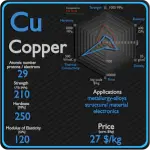
Copper

Copper is a soft, malleable, and ductile metal with very high thermal and electrical conductivity. A freshly exposed surface of pure copper has a reddish-orange color. Copper is used as a conductor of heat and electricity, as a building material, and as a constituent of various metal alloys, such as sterling silver used in jewelry, cupronickel used to make marine hardware and coins, and constantan used in strain gauges and thermocouples for temperature measurement.

Chlorine in Periodic Table

Copper in Periodic Table

Source: www.luciteria.com

Chlorine and Copper – Applications

Chlorine

Chlorine is used in the manufacture of a wide range of consumer products, about two-thirds of them organic chemicals such as polyvinyl chloride (PVC), many intermediates for the production of plastics, and other end products which do not contain the element. As a common disinfectant, elemental chlorine and chlorine-generating compounds are used more directly in swimming pools to keep them sanitary. While perhaps best known for its role in providing clean drinking water, chlorine chemistry also helps provide energy-efficient building materials, electronics, fiber optics, solar energy cells, 93 percent of life-saving pharmaceuticals, 86 percent of crop protection compounds, medical plastics, and much more.

Copper

Historically, alloying copper with another metal, for example tin to make bronze, was first practiced about 4000 years after the discovery of copper smelting, and about 2000 years after “natural bronze” had come into general use. An ancient civilization is defined to be in the Bronze Age either by producing bronze by smelting its own copper and alloying with tin, arsenic, or other metals. The major applications of copper are electrical wire (60%), roofing and plumbing (20%), and industrial machinery (15%). Copper is used mostly as a pure metal, but when greater hardness is required, it is put into such alloys as brass and bronze (5% of total use). Copper and copper-based alloys including brasses (Cu-Zn) and bronzes (Cu-Sn) are widely used in different industrial and societal applications. Some of the common uses for brass alloys include costume jewelry, locks, hinges, gears, bearings, ammunition casings, automotive radiators, musical instruments, electronic packaging, and coins. Bronze, or bronze-like alloys and mixtures, were used for coins over a longer period. is still widely used today for springs, bearings, bushings, automobile transmission pilot bearings, and similar fittings, and is particularly common in the bearings of small electric motors. Brass and bronze are common engineering materials in modern architecture and primarily used for roofing and facade cladding due to their visual appearance.

Chlorine and Copper – Comparison in Table

Element Chlorine Copper
Density 0.0032 g/cm3 8.92  g/cm3
Ultimate Tensile Strength N/A 210 MPa
Yield Strength N/A 33 MPa
Young’s Modulus of Elasticity N/A 120 GPa
Mohs Scale N/A 3
Brinell Hardness N/A 250 MPa
Vickers Hardness N/A 350 MPa
Melting Point -101 °C 1084.62 °C
Boiling Point -34.6 °C 2562 °C
Thermal Conductivity 0.0089 W/mK 401 W/mK
Thermal Expansion Coefficient N/A 16.5 µm/mK
Specific Heat 0.48 J/g K 0.38 J/g K
Heat of Fusion 3.23 kJ/mol 13.05 kJ/mol
Heat of Vaporization 10.2 kJ/mol 300.3 kJ/mol


Chlorine and Barium – Comparison – Properties

This article contains comparison of key thermal and atomic properties of chlorine and barium, two comparable chemical elements from the periodic table. It also contains basic descriptions and applications of both elements. Chlorine vs Barium.

chlorine and barium - comparison

Compare chlorine with another element

Beryllium - Properties - Price - Applications - Production

Boron - Properties - Price - Applications - Production

Carbon - Properties - Price - Applications - Production

Oxygen - Properties - Price - Applications - Production

Fluorine - Properties - Price - Applications - Production

Sodium - Properties - Price - Applications - Production

Magnesium - Properties - Price - Applications - Production

Aluminium - Properties - Price - Applications - Production

Calcium - Properties - Price - Applications - Production

Caesium - Properties - Price - Applications - Production

Barium - Properties - Price - Applications - Production

Copper - Properties - Price - Applications - Production

Silver - Properties - Price - Applications - Production

Iron - Properties - Price - Applications - Production

Bromine - Properties - Price - Applications - Production

Iodine - Properties - Price - Applications - Production

Compare barium with another element

Chlorine - Properties - Price - Applications - Production

Chlorine and Barium – About Elements

Chlorine

Chlorine is a yellow-green gas at room temperature. It is an extremely reactive element and a strong oxidising agent: among the elements, it has the highest electron affinity and the third-highest electronegativity, behind only oxygen and fluorine.

Barium

Barium is the fifth element in group 2 and is a soft, silvery alkaline earth metal. Because of its high chemical reactivity, barium is never found in nature as a free element. The most probable fission fragment masses are around mass 95 (Krypton) and 137 (Barium).

Chlorine in Periodic Table

Barium in Periodic Table

Source: www.luciteria.com

Chlorine and Barium – Applications

Chlorine

Chlorine is used in the manufacture of a wide range of consumer products, about two-thirds of them organic chemicals such as polyvinyl chloride (PVC), many intermediates for the production of plastics, and other end products which do not contain the element. As a common disinfectant, elemental chlorine and chlorine-generating compounds are used more directly in swimming pools to keep them sanitary. While perhaps best known for its role in providing clean drinking water, chlorine chemistry also helps provide energy-efficient building materials, electronics, fiber optics, solar energy cells, 93 percent of life-saving pharmaceuticals, 86 percent of crop protection compounds, medical plastics, and much more.

Barium

Barium is not an extensively used element. Most is used in drilling fluids for oil and gas wells. It is also used in paint and in glassmaking. Barium is also a key element in the production of ceramic superconductors. Lanthanum barium copper oxide, or LBCO, was discovered in 1986 and was the first high temperature superconductor.

Chlorine and Barium – Comparison in Table

Element Chlorine Barium
Density 0.0032 g/cm3 3.51  g/cm3
Ultimate Tensile Strength N/A N/A
Yield Strength N/A N/A
Young’s Modulus of Elasticity N/A 13 GPa
Mohs Scale N/A 1.25
Brinell Hardness N/A N/A
Vickers Hardness N/A N/A
Melting Point -101 °C 725 °C
Boiling Point -34.6 °C 1845 °C
Thermal Conductivity 0.0089 W/mK 18 W/mK
Thermal Expansion Coefficient N/A 20.6 µm/mK
Specific Heat 0.48 J/g K 0.204 J/g K
Heat of Fusion 3.23 kJ/mol 7.75 kJ/mol
Heat of Vaporization 10.2 kJ/mol 142 kJ/mol


Chlorine and Caesium – Comparison – Properties

This article contains comparison of key thermal and atomic properties of chlorine and caesium, two comparable chemical elements from the periodic table. It also contains basic descriptions and applications of both elements. Chlorine vs Caesium.

chlorine and caesium - comparison

Compare chlorine with another element

Beryllium - Properties - Price - Applications - Production

Boron - Properties - Price - Applications - Production

Carbon - Properties - Price - Applications - Production

Oxygen - Properties - Price - Applications - Production

Fluorine - Properties - Price - Applications - Production

Sodium - Properties - Price - Applications - Production

Magnesium - Properties - Price - Applications - Production

Aluminium - Properties - Price - Applications - Production

Calcium - Properties - Price - Applications - Production

Caesium - Properties - Price - Applications - Production

Barium - Properties - Price - Applications - Production

Copper - Properties - Price - Applications - Production

Silver - Properties - Price - Applications - Production

Iron - Properties - Price - Applications - Production

Bromine - Properties - Price - Applications - Production

Iodine - Properties - Price - Applications - Production

Compare caesium with another element

Chlorine - Properties - Price - Applications - Production

Rubidium - Properties - Price - Applications - Production

Iodine - Properties - Price - Applications - Production

Chlorine and Caesium – About Elements

Chlorine

Chlorine is a yellow-green gas at room temperature. It is an extremely reactive element and a strong oxidising agent: among the elements, it has the highest electron affinity and the third-highest electronegativity, behind only oxygen and fluorine.

Caesium

Caesium is a soft, silvery-gold alkali metal with a melting point of 28.5 °C, which makes it one of only five elemental metals that are liquid at or near room temperature. Caesium has physical and chemical properties similar to those of rubidium and potassium.

Chlorine in Periodic Table

Caesium in Periodic Table

Source: www.luciteria.com

Chlorine and Caesium – Applications

Chlorine

Chlorine is used in the manufacture of a wide range of consumer products, about two-thirds of them organic chemicals such as polyvinyl chloride (PVC), many intermediates for the production of plastics, and other end products which do not contain the element. As a common disinfectant, elemental chlorine and chlorine-generating compounds are used more directly in swimming pools to keep them sanitary. While perhaps best known for its role in providing clean drinking water, chlorine chemistry also helps provide energy-efficient building materials, electronics, fiber optics, solar energy cells, 93 percent of life-saving pharmaceuticals, 86 percent of crop protection compounds, medical plastics, and much more.

Caesium

The largest present-day use of nonradioactive caesium is in caesium formate drilling fluids for the extractive oil industry. They are also used to make special optical glass, as a catalyst promoter, in vacuum tubes and in radiation monitoring equipment. One of its most important uses is in the ‘caesium clock’ (atomic clock). These clocks are a vital part of the internetand mobile phone networks, as well as Global Positioning System (GPS) satellites. Caesium-137 is a radioisotope commonly used as a gamma-emitter in industrial applications.

Chlorine and Caesium – Comparison in Table

Element Chlorine Caesium
Density 0.0032 g/cm3 1.879 g/cm3
Ultimate Tensile Strength N/A N/A
Yield Strength N/A N/A
Young’s Modulus of Elasticity N/A 1.7 GPa
Mohs Scale N/A 0.2
Brinell Hardness N/A 0.14 MPa
Vickers Hardness N/A N/A
Melting Point -101 °C 28.4 °C
Boiling Point -34.6 °C 669 °C
Thermal Conductivity 0.0089 W/mK 36 W/mK
Thermal Expansion Coefficient N/A 97 µm/mK
Specific Heat 0.48 J/g K 0.24 J/g K
Heat of Fusion 3.23 kJ/mol 2.092 kJ/mol
Heat of Vaporization 10.2 kJ/mol 67.74 kJ/mol


Chlorine and Calcium – Comparison – Properties

This article contains comparison of key thermal and atomic properties of chlorine and calcium, two comparable chemical elements from the periodic table. It also contains basic descriptions and applications of both elements. Chlorine vs Calcium.

chlorine and calcium - comparison

Compare chlorine with another element

Beryllium - Properties - Price - Applications - Production

Boron - Properties - Price - Applications - Production

Carbon - Properties - Price - Applications - Production

Oxygen - Properties - Price - Applications - Production

Fluorine - Properties - Price - Applications - Production

Sodium - Properties - Price - Applications - Production

Magnesium - Properties - Price - Applications - Production

Aluminium - Properties - Price - Applications - Production

Calcium - Properties - Price - Applications - Production

Caesium - Properties - Price - Applications - Production

Barium - Properties - Price - Applications - Production

Copper - Properties - Price - Applications - Production

Silver - Properties - Price - Applications - Production

Iron - Properties - Price - Applications - Production

Bromine - Properties - Price - Applications - Production

Iodine - Properties - Price - Applications - Production

Compare calcium with another element

Hydrogen - Properties - Price - Applications - Production

Lithium - Properties - Price - Applications - Production

Oxygen - Properties - Price - Applications - Production

Fluorine - Properties - Price - Applications - Production

Sodium - Properties - Price - Applications - Production

Magnesium - Properties - Price - Applications - Production

Phosphorus - Properties - Price - Applications - Production

Sulfur - Properties - Price - Applications - Production

Chlorine - Properties - Price - Applications - Production

Potassium - Properties - Price - Applications - Production

Iron - Properties - Price - Applications - Production

Chlorine and Calcium – About Elements

Chlorine

Chlorine is a yellow-green gas at room temperature. It is an extremely reactive element and a strong oxidising agent: among the elements, it has the highest electron affinity and the third-highest electronegativity, behind only oxygen and fluorine.

Calcium

Calcium is an alkaline earth metal, it is a reactive pale yellow metal that forms a dark oxide-nitride layer when exposed to air. Its physical and chemical properties are most similar to its heavier homologues strontium and barium. It is the fifth most abundant element in Earth’s crust and the third most abundant metal, after iron and aluminium.

Chlorine in Periodic Table

Calcium in Periodic Table

Source: www.luciteria.com

Chlorine and Calcium – Applications

Chlorine

Chlorine is used in the manufacture of a wide range of consumer products, about two-thirds of them organic chemicals such as polyvinyl chloride (PVC), many intermediates for the production of plastics, and other end products which do not contain the element. As a common disinfectant, elemental chlorine and chlorine-generating compounds are used more directly in swimming pools to keep them sanitary. While perhaps best known for its role in providing clean drinking water, chlorine chemistry also helps provide energy-efficient building materials, electronics, fiber optics, solar energy cells, 93 percent of life-saving pharmaceuticals, 86 percent of crop protection compounds, medical plastics, and much more.

Calcium

The largest use of metallic calcium is in steelmaking, due to its strong chemical affinity for oxygen and sulfur. Its oxides and sulfides, once formed, give liquid lime aluminate and sulfide inclusions in steel which float out. Calcium compounds are used as manufacture of insecticides, paints, blackboard chalk, textile and fireworks.

Chlorine and Calcium – Comparison in Table

Element Chlorine Calcium
Density 0.0032 g/cm3 1.55 g/cm3
Ultimate Tensile Strength N/A 110 MPa
Yield Strength N/A N/A
Young’s Modulus of Elasticity N/A 20 GPa
Mohs Scale N/A 1.5
Brinell Hardness N/A 170 – 400 MPa
Vickers Hardness N/A N/A
Melting Point -101 °C 842 °C
Boiling Point -34.6 °C 1484 °C
Thermal Conductivity 0.0089 W/mK 200 W/mK
Thermal Expansion Coefficient N/A 22.3 µm/mK
Specific Heat 0.48 J/g K 0.63 J/g K
Heat of Fusion 3.23 kJ/mol 8.54 kJ/mol
Heat of Vaporization 10.2 kJ/mol 153.3 kJ/mol


Sulfur and Calcium – Comparison – Properties

This article contains comparison of key thermal and atomic properties of sulfur and calcium, two comparable chemical elements from the periodic table. It also contains basic descriptions and applications of both elements. Sulfur vs Calcium.

sulfur and calcium - comparison

Compare sulfur with another element

Lithium - Properties - Price - Applications - Production

Oxygen - Properties - Price - Applications - Production

Sodium - Properties - Price - Applications - Production

Chlorine - Properties - Price - Applications - Production

Potassium - Properties - Price - Applications - Production

Calcium - Properties - Price - Applications - Production

Compare calcium with another element

Hydrogen - Properties - Price - Applications - Production

Lithium - Properties - Price - Applications - Production

Oxygen - Properties - Price - Applications - Production

Fluorine - Properties - Price - Applications - Production

Sodium - Properties - Price - Applications - Production

Magnesium - Properties - Price - Applications - Production

Phosphorus - Properties - Price - Applications - Production

Sulfur - Properties - Price - Applications - Production

Chlorine - Properties - Price - Applications - Production

Potassium - Properties - Price - Applications - Production

Iron - Properties - Price - Applications - Production

Sulfur and Calcium – About Elements

Sulfur

Sulfur is abundant, multivalent, and nonmetallic. Under normal conditions, sulfur atoms form cyclic octatomic molecules with a chemical formula S8. Elemental sulfur is a bright yellow crystalline solid at room temperature. Chemically, sulfur reacts with all elements except for gold, platinum, iridium, tellurium, and the noble gases.

Calcium

Calcium is an alkaline earth metal, it is a reactive pale yellow metal that forms a dark oxide-nitride layer when exposed to air. Its physical and chemical properties are most similar to its heavier homologues strontium and barium. It is the fifth most abundant element in Earth’s crust and the third most abundant metal, after iron and aluminium.

Phosphorus in Periodic Table

Calcium in Periodic Table

Source: www.luciteria.com

Sulfur and Calcium – Applications

Sulfur

The greatest commercial use of the element is the production of sulfuric acid for sulfate and phosphate fertilizers, and other chemical processes. Sulfur is increasingly used as a component of fertilizers. The most important form of sulfur for fertilizer is the mineral calcium sulfate. The element sulfur is used in matches, insecticides, and fungicides. Many sulfur compounds are odoriferous, and the smells of odorized natural gas, skunk scent, grapefruit, and garlic are due to organosulfur compounds.

Calcium

The largest use of metallic calcium is in steelmaking, due to its strong chemical affinity for oxygen and sulfur. Its oxides and sulfides, once formed, give liquid lime aluminate and sulfide inclusions in steel which float out. Calcium compounds are used as manufacture of insecticides, paints, blackboard chalk, textile and fireworks.

Sulfur and Calcium – Comparison in Table

Element Sulfur Calcium
Density 1.823 g/cm3 1.55 g/cm3
Ultimate Tensile Strength N/A 110 MPa
Yield Strength N/A N/A
Young’s Modulus of Elasticity N/A 20 GPa
Mohs Scale 0.5 1.5
Brinell Hardness N/A 170 – 400 MPa
Vickers Hardness N/A N/A
Melting Point 44.1 °C 842 °C
Boiling Point 280 °C 1484 °C
Thermal Conductivity 0.235 W/mK 200 W/mK
Thermal Expansion Coefficient N/A 22.3 µm/mK
Specific Heat 0.77 J/g K 0.63 J/g K
Heat of Fusion 0.657 kJ/mol 8.54 kJ/mol
Heat of Vaporization 51.9 kJ/mol 153.3 kJ/mol